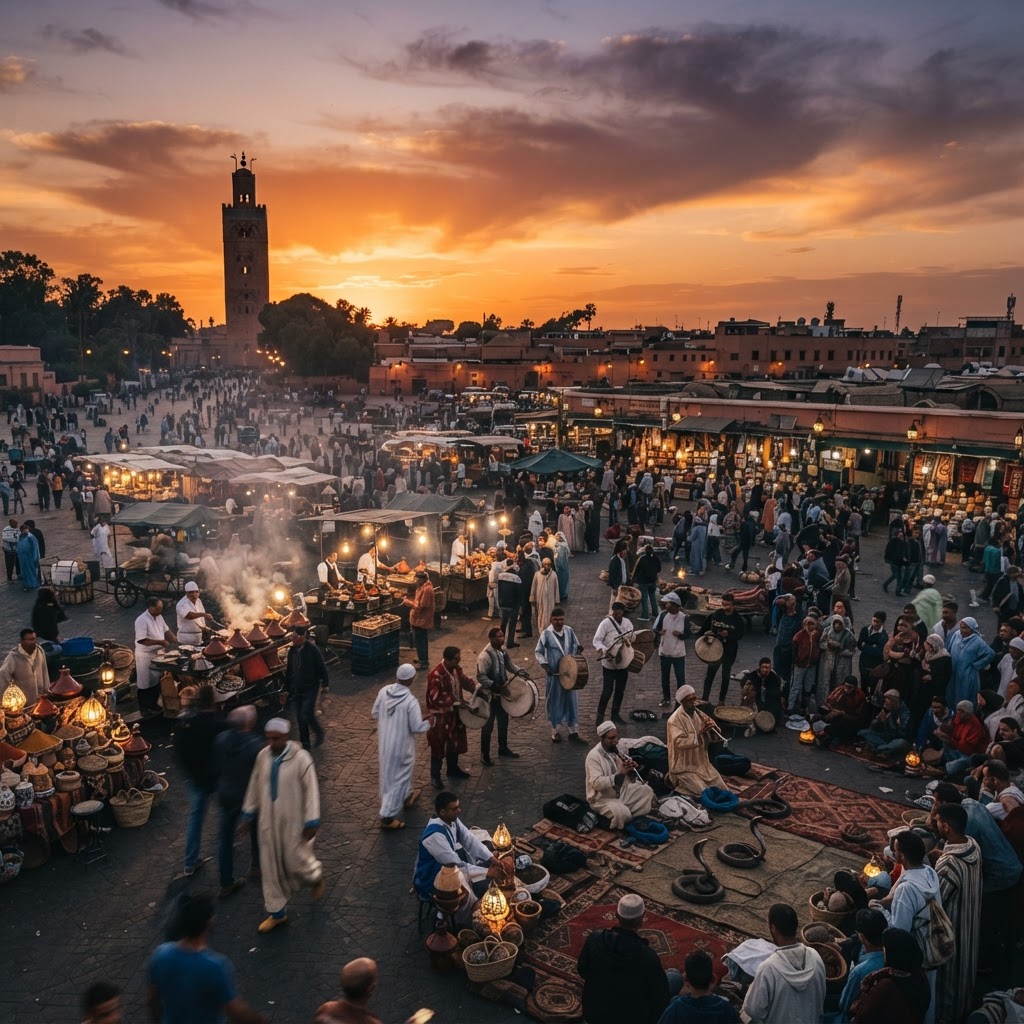
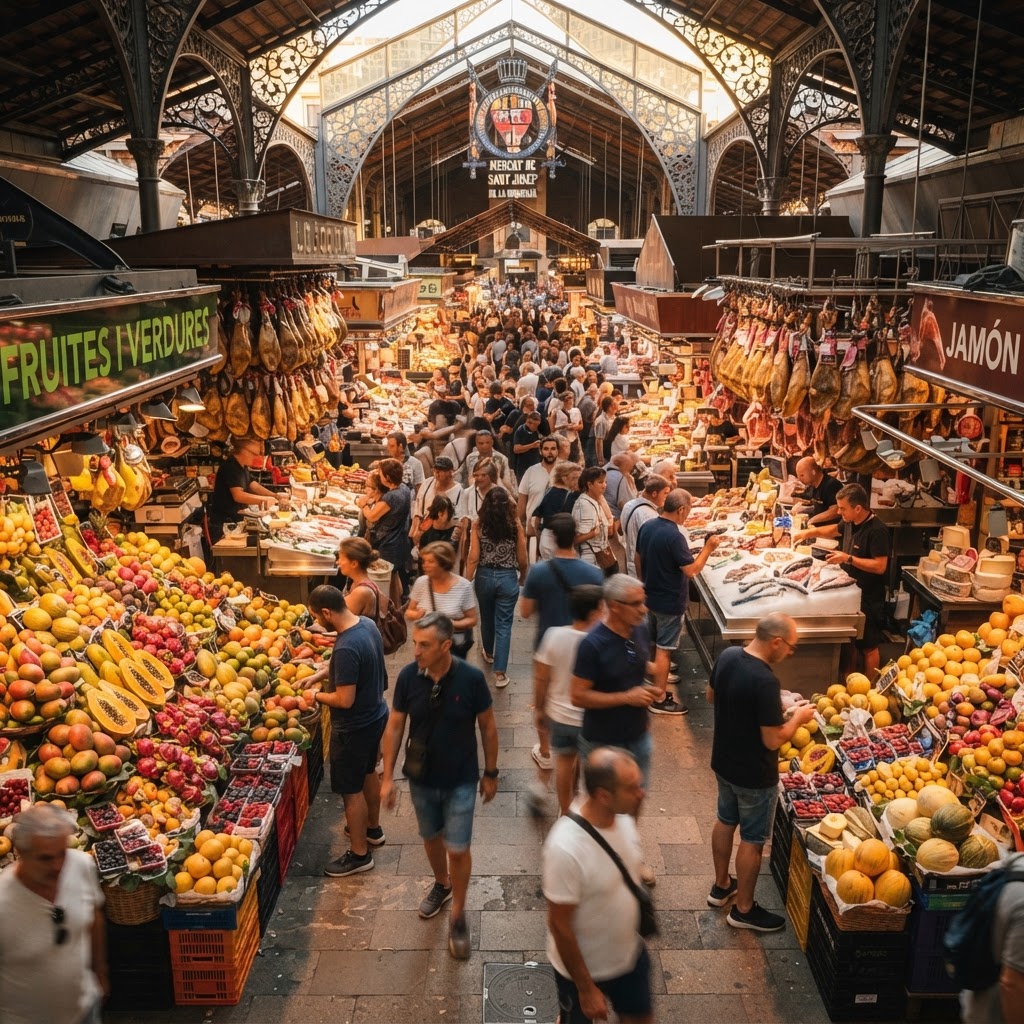
Flavor Profile: A bold synthesis of indigenous traditions with Indian, Arab, and Portuguese influences.
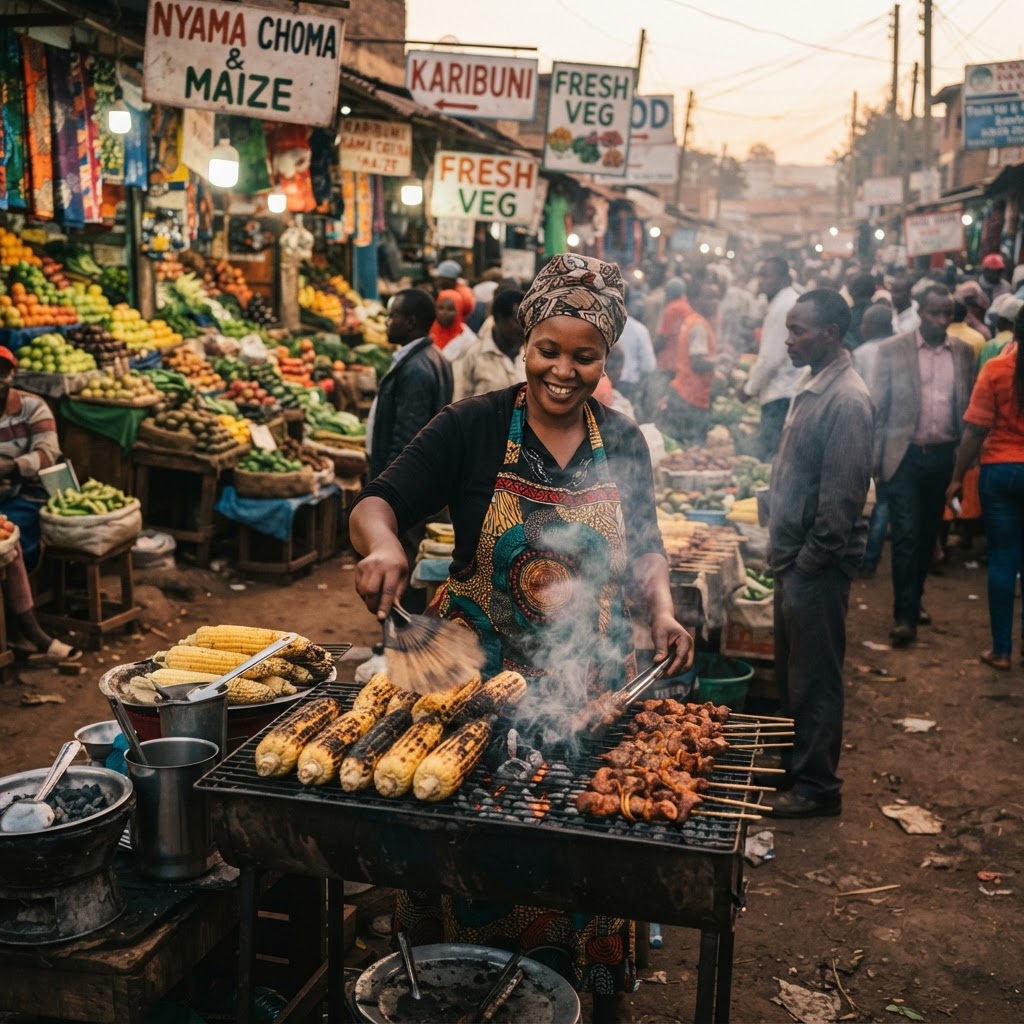
Market Culture: Visit hubs like Nairobi’s City Market for the most authentic and fresh local ingredients.
Traveler Tip: Always prioritize bottled water and focus on street food stalls with a high turnover of locals.
Imagine the golden plains of the Maasai Mara under a setting sun, accompanied by the intoxicating scent of charcoal-grilled goat and the sound of distant laughter. Kenya is far more than just a legendary wildlife destination; it is a vibrant culinary landscape waiting to be devoured by the adventurous traveler.
From the bustling, aromatic streets of Nairobi to the serene, spice-scented shores of the Swahili Coast, the food here tells the compelling story of a nation defined by centuries of global trade, enduring tradition, and profound communal joy. Prepare your palate for an unforgettable journey.
Why Kenya Should Be on Your Radar
As you travel across this diverse country, you will quickly find that food is the primary language of hospitality. Whether you are invited to a local home for a feast or wandering through a vibrant market in Mombasa, every meal is a meaningful connection to the heart of the culture.
This guide serves as your comprehensive roadmap to navigating the authentic flavors of East Africa. We help you transition from a curious traveler to a local-in-the-know while exploring the region. Read More Travel Guides to deepen your understanding of the region.
The Cultural Tapestry of Kenyan Food
The cuisine reflects a deep, rich history of Indian Ocean maritime trade.
You will encounter heavy, fragrant influences from Arabian spices and complex Indian curry techniques.
Portuguese explorers historically introduced ingredients like maize, which remains a vital caloric staple in the modern diet.
Every geographic region offers a unique culinary spin based on the specific local agricultural bounty and tribal customs.
Best Time to Visit: Seasonal Insights
To experience Kenyan cuisine at its absolute peak, timing is essential. The country enjoys a delightful tropical climate, but the availability of specific ingredients and outdoor dining experiences shifts with the rhythm of the seasons.
Optimal Food Travel Seasons
January to March: The dry weather provides the perfect backdrop for open-air dining and leisurely market exploration across the interior.
July to October: This secondary dry season yields the year's freshest harvests, making it the ideal window for food-focused tours and safari-culinary adventures.
Lamu Cultural Festival (November): The quintessential time to witness traditional Swahili cooking competitions and age-old culinary rituals brought to life by local chefs.
Seasonal Considerations
The Harvest Season: Late summer offers an incredible abundance of seasonal produce, including sweet mangoes, passion fruit, and sun-ripened pineapples.
Weather Impacts: Be aware that heavy rains in April and May may limit outdoor street food activities in the interior regions of the country.
Top Things to Do for Food Lovers
Exploring Kenya through its plate is a sensory adventure that will challenge and delight your palate. These are the essential experiences that define the country's unique culinary soul.
1. The Nyama Choma Experience
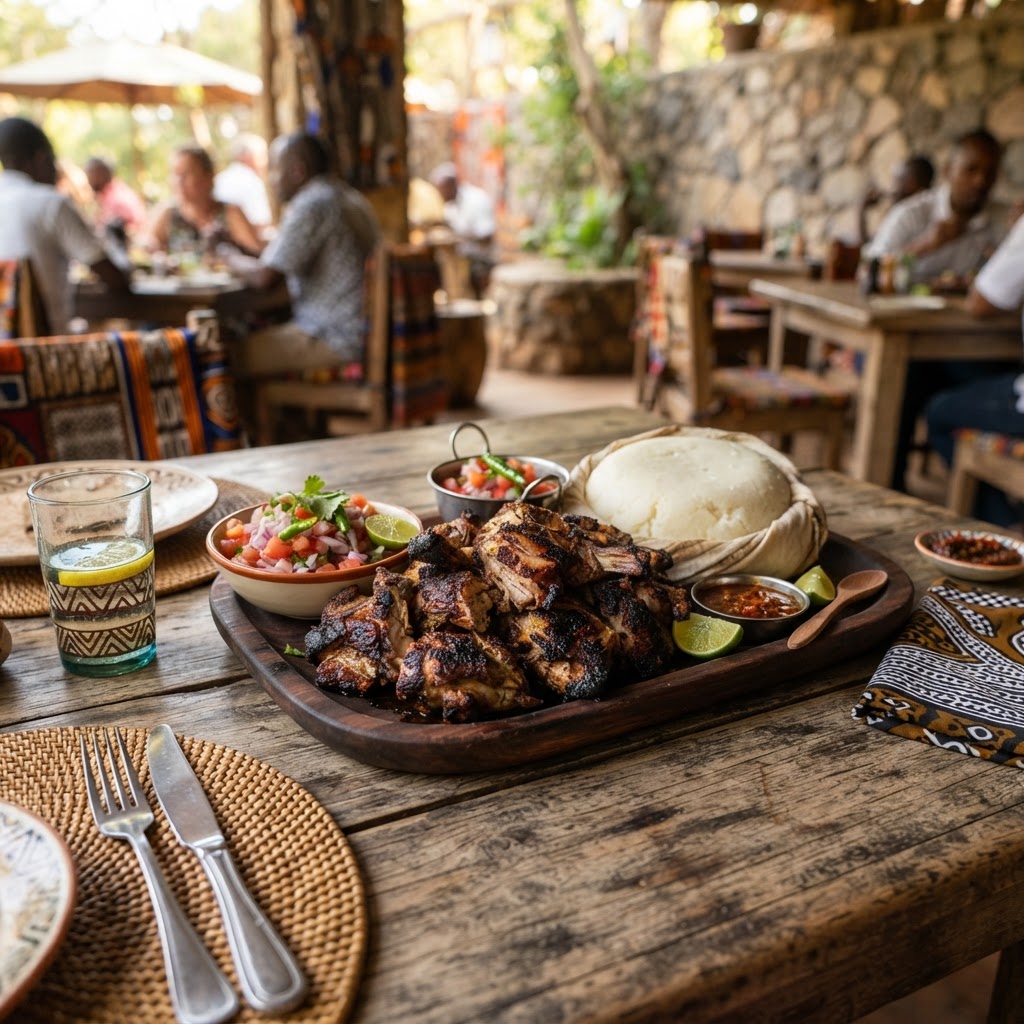
Nothing is more iconic than Nyama Choma. Head to legendary institutions like Carnivore in Nairobi or seek out the rustic roadside "nyama choma joints" along the Thika Superhighway for a truly authentic vibe.
Enjoy high-quality goat, beef, or chicken slow-roasted over an open charcoal flame until tender.
Always serve your meat with Kachumbari, a refreshing and zingy fresh tomato and onion salsa.
Embrace the ritual of communal eating, where succulent meat is often shared directly from a central platter.
Planning your trip?
Compare accommodation, flights, insurance, and experiences before booking.
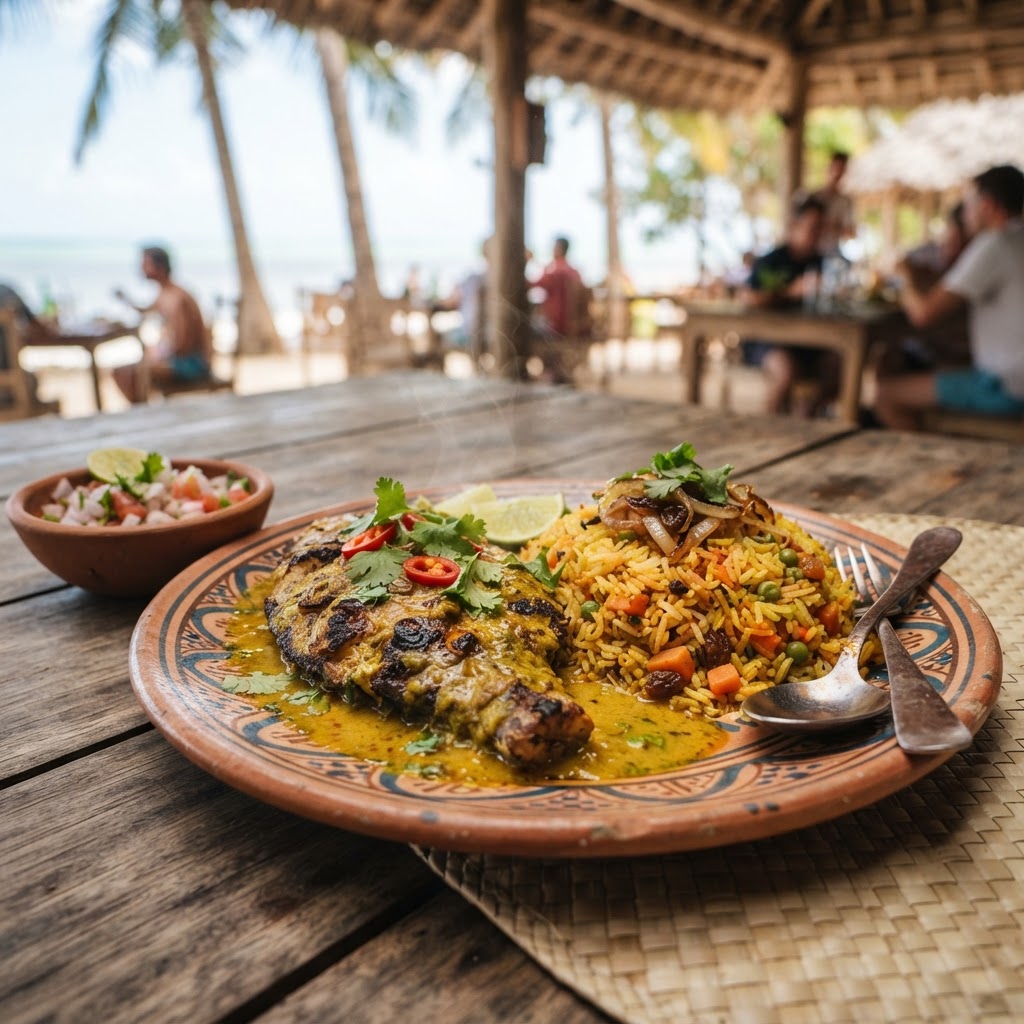
In the historic towns of Lamu or Mombasa, enroll in a traditional Swahili cooking class to master the secrets of the coast.
Learn the delicate, patient art of balancing cardamom, cinnamon, and rich coconut milk.
Master the preparation of Samaki wa Kupaka, a signature fish dish coated in a luxurious, spiced coconut sauce.
Visit local spice markets early in the day to source the freshest ingredients before heading into the kitchen.
3. The Nairobi Market Crawl
Spend a bustling morning at City Market or Toi Market to engage with the frantic, beautiful heartbeat of Kenyan commerce.
Watch local vendors haggle over the price of fresh collard greens (Sukuma Wiki) and high-quality maize flour.
Experience a sensory overload of vibrant colors, chaotic energy, and the rich, earthy scents of fresh produce and dry grains.
Where to Stay for Culinary Explorers
Finding the right base is key to a seamless culinary exploration. Whether you seek high-end luxury or deep local immersion, these options cater to all tastes and budgets.
Luxury Safari Lodges: Stay at high-end camps in the Maasai Mara that offer sophisticated farm-to-table fine dining using indigenous, local ingredients.
Boutique Guesthouses: Choose heritage properties in Old Town Mombasa for direct, pedestrian-friendly access to authentic Swahili culture and historic spice markets.
Urban Comforts: Explore centrally located guesthouses in Nairobi’s Kilimani district, which provides easy transit to major markets and modern fusion restaurants.
Kenyan cuisine is not a single monolith; it is a complex spectrum of regional specialties. The interior is famously meat-centric, leaning on grilled staples, while the coast is a tropical paradise defined by fragrant seafood and coconut-based curries.
Essential Traditional Staples
Ugali: The absolute heart of the Kenyan plate, a firm cornmeal porridge that serves as the perfect edible utensil for dipping into savory stews.
Sukuma Wiki: A nutritious, vibrant collard green sautéed with onions and spices, representing a true pantry staple for every household.
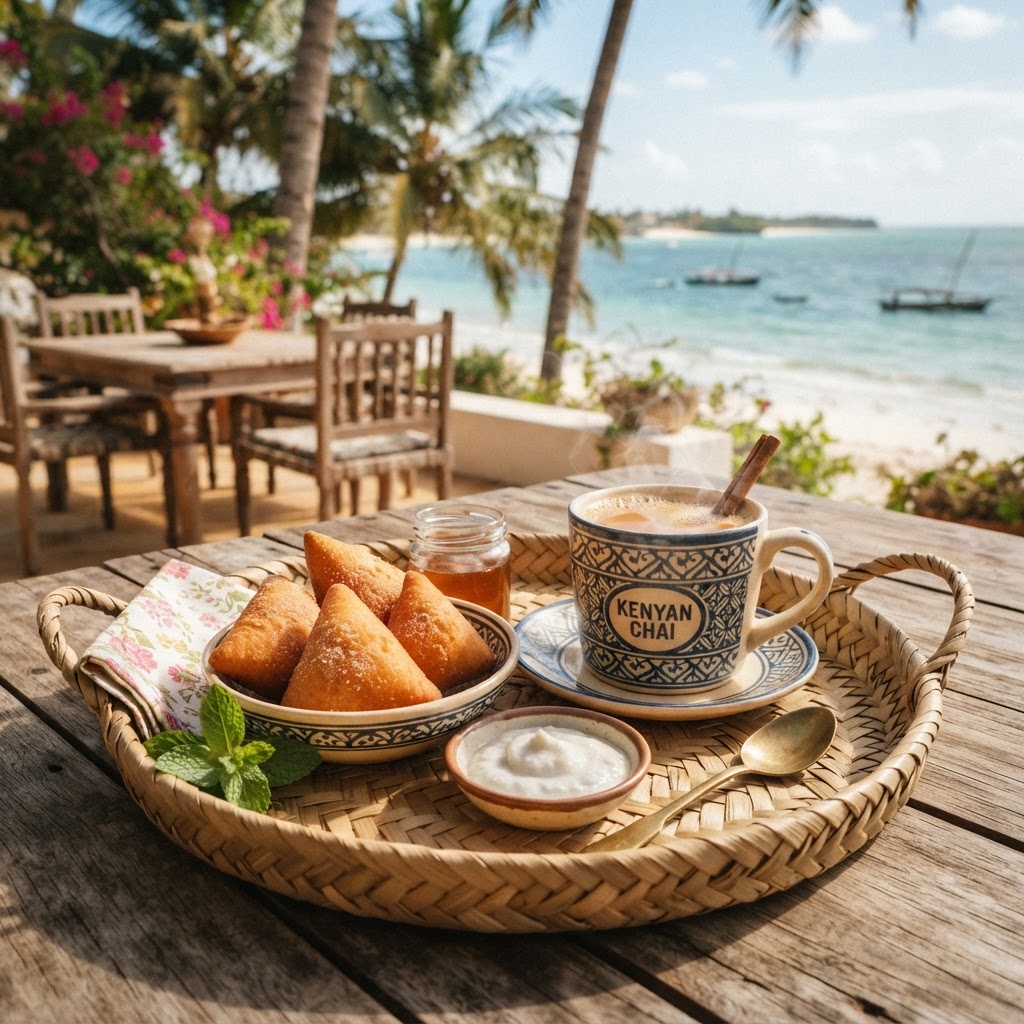
Mahamri: Deep-fried, slightly sweet golden bread that pairs perfectly with a cup of robust, spiced Kenyan tea known as Chai.
Cultural Insights & Dining Etiquette
Dining in Kenya is a deeply social and often spiritual experience. Respecting local norms will enrich your journey significantly and help you build genuine rapport with your hosts.
Key Etiquette Rules
Tipping: While not strictly mandatory in every setting, a 10% tip is highly appreciated in restaurants for professional service.
Handwashing: In many traditional settings, a basin will be brought to the table for handwashing before the meal begins. This is a profound sign of welcome.
The Right Hand Rule: Always accept food with your right hand, as the left is traditionally considered unclean in many rural customs and communal dining settings.
Travel Safety and Sustainable Planning
Your health and safety remain the highest priority while traversing the country. Always stick to bottled water and ensure the plastic seal is intact before drinking.
Practical Safety Tips
Avoid displaying large amounts of cash or expensive electronics in major cities.
Use reputable ride-sharing apps like Uber or Bolt rather than hailing random street taxis for your safety.
For any unexpected medical emergencies, keep the emergency number 999 saved in your phone.
Sustainable Travel Guidelines
Choose small-holder farm-to-table restaurants that prioritize seasonal sourcing from local farmers.
Do your part for the environment; Kenya has strict laws against single-use plastic bags.
Always carry a reusable tote bag for your market shopping to avoid creating unnecessary waste.
Practical Information for Travelers
Navigating Kenya requires a bit of logistical planning to ensure everything goes smoothly. Most importantly, use M-Pesa, the local mobile money platform, as it is accepted almost everywhere.
Payment: Mobile money is king, from high-end fine dining restaurants to the smallest rural street food stalls.
Attire: Pack lightweight, modest clothing, especially for coastal regions where modesty is an important cultural expectation.
Documents: Always keep a digital or physical copy of your passport handy when traveling between different counties.
Kenya is a country that stays with you long after the final bite of a meal. From the genuine warmth of the people to the complexity of the aromatic spices, it is a rewarding journey of discovery.
Step outside your hotel, engage with local vendors, and let your senses lead the way. Ready to plan your adventure? Explore Things to Do and start mapping out your flavorful Kenyan getaway today.
Frequently Asked Questions
Find the Perfect Stay
Explore hotels, resorts, apartments, and unique stays curated for your destination.