Kakamega County Kenya Travel Guide 2026: Explore the Rainforest
AdvaTrav Travel TeamAugust 30, 20266 min read
✨ Key Takeaways
1Experience Kenya's only true tropical Guineo-Congolian rainforest fragment.
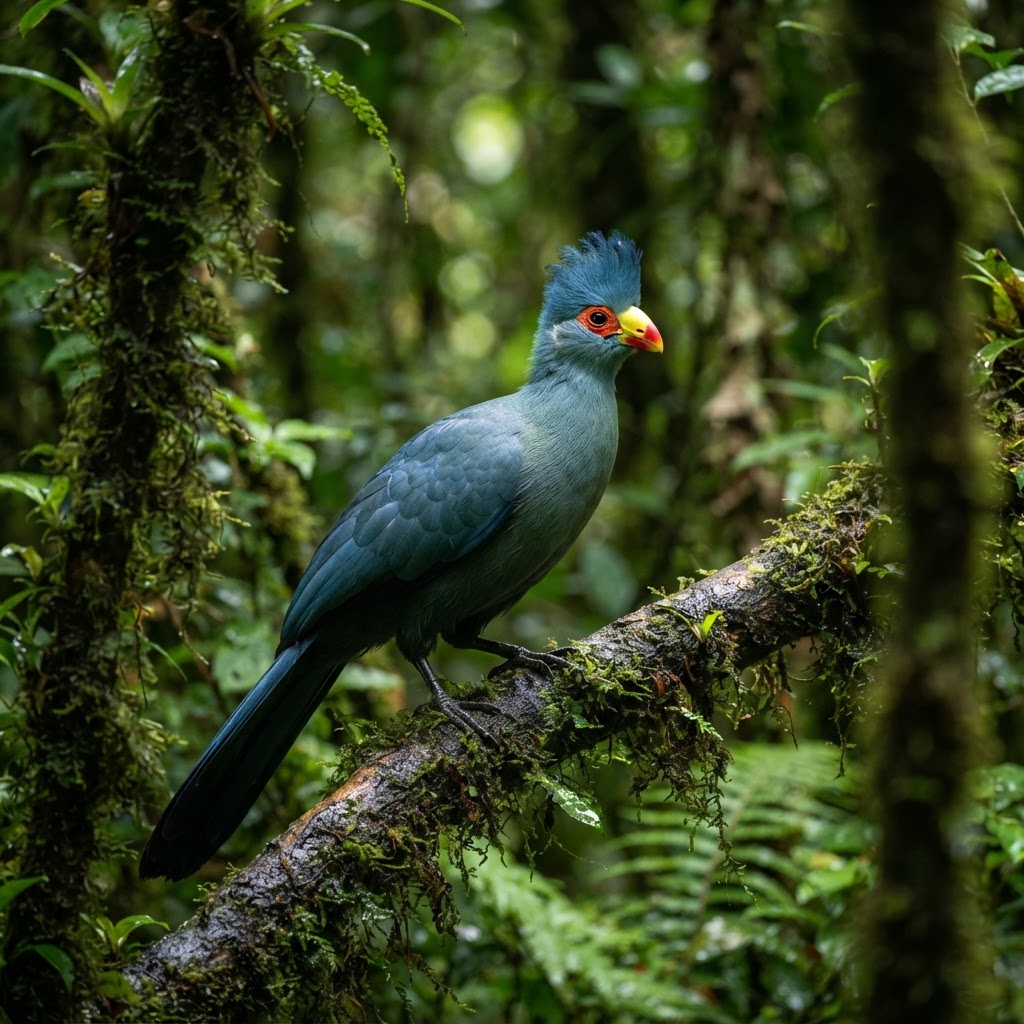
2Spot rare species including the Great Blue Turaco and De Brazza's monkey.
3Immerse yourself in the authentic traditions and hospitality of the Luhya people.
4Support local conservation through community-led tourism and ethical travel.
In a nutshell
Discover the hidden rainforest of Kakamega County, Kenya. From birdwatching in the canopy to experiencing vibrant Luhya culture, plan your 2026 trip today.
Experience Kenya's only true tropical Guineo-Congolian rainforest fragment.
Spot rare species including the Great Blue Turaco and De Brazza's monkey.
Immerse yourself in the authentic traditions and hospitality of the Luhya people.
Support local conservation through community-led tourism and ethical travel.
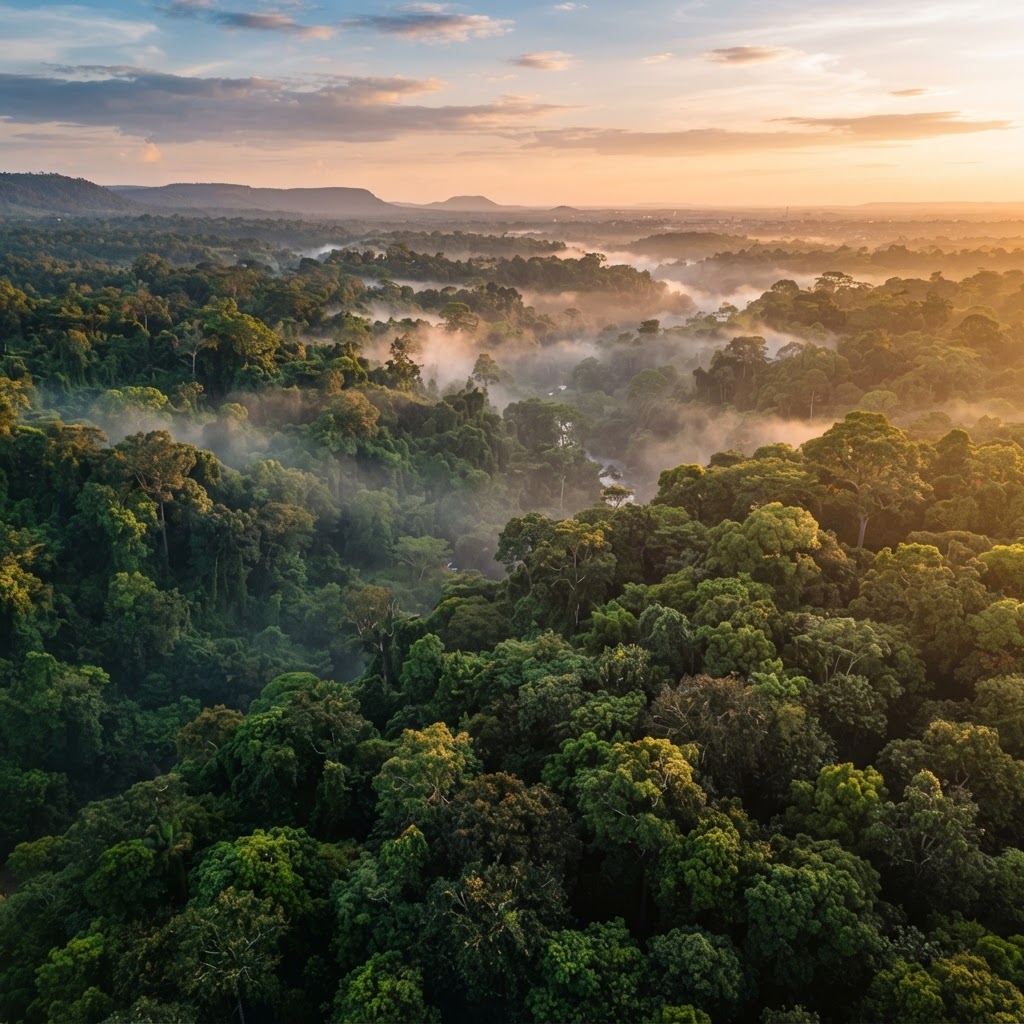
Imagine stepping off the beaten track and into a world where the air hums with the songs of a thousand birds. You have traveled far from the dusty plains of the savanna, arriving in Kakamega County, Kenya’s emerald heart.
This is not the standard safari you find on postcards; it is a profound, sensory encounter with an ancient, thriving ecosystem. As you navigate the winding forest trails, you will feel the humidity, smell the rich humus, and witness a canopy that has sustained life for millennia.
Unveiling the Guineo-Congolian Canopy
Kakamega Forest Reserve is far more than a mere destination; it is a rare biological treasure. While many travelers flock to the Great Rift Valley, you have chosen the western route toward Lake Victoria.
This region remains a vital biological hotspot, representing the easternmost extension of the vast Guineo-Congolian rainforest system that once stretched across the continent.
The forest supports over 400 species of butterflies and thousands of bird varieties.
Local community efforts, spearheaded by the Kakamega Environmental Education Programme (KEEP), have turned this area into a global model for eco-tourism.
The forest floor serves as a living laboratory for botanists, researchers, and nature enthusiasts alike.
Chasing the Seasons in Western Kenya
Rain is the literal pulse of the forest. Because it sits just north of the Equator, you must time your visit to align with your personal goals regarding weather, hiking conditions, and wildlife visibility.
The Dry Season Advantage
From December to February, you will find the most manageable trails. If you are keen on photography, this window allows you to hike to Lirhanda Hill without the struggle of deep, slippery mud.
Crisp, clear air allows for stunning views of the distant Nandi Escarpment.
Lower humidity makes long treks under the dense canopy significantly more comfortable.
Fewer muddy trails make this the best season for casual hikers and families.
Embracing the Green Season
Between June and August, the forest is at its most vibrant. Following the long rains of April and May, the life cycle of butterflies explodes, turning the forest floor into a moving, colorful kaleidoscope.
Ideal for birdwatchers tracking the elusive Great Blue Turaco.
The greenery provides an incredibly photogenic, lush atmosphere.
Exploring the forest requires a mix of fitness and insatiable curiosity. Whether you are seeking spiritual peace or raw nature, these experiences define the classic Kakamega journey:
Summiting Lirhanda Hill: Start your trek at 5:00 AM from the Isecheno Gate to catch the sunrise over the canopy.
Ornithology Expeditions: Hire an official KEEP guide to spot the Black-and-white-casqued Hornbill.
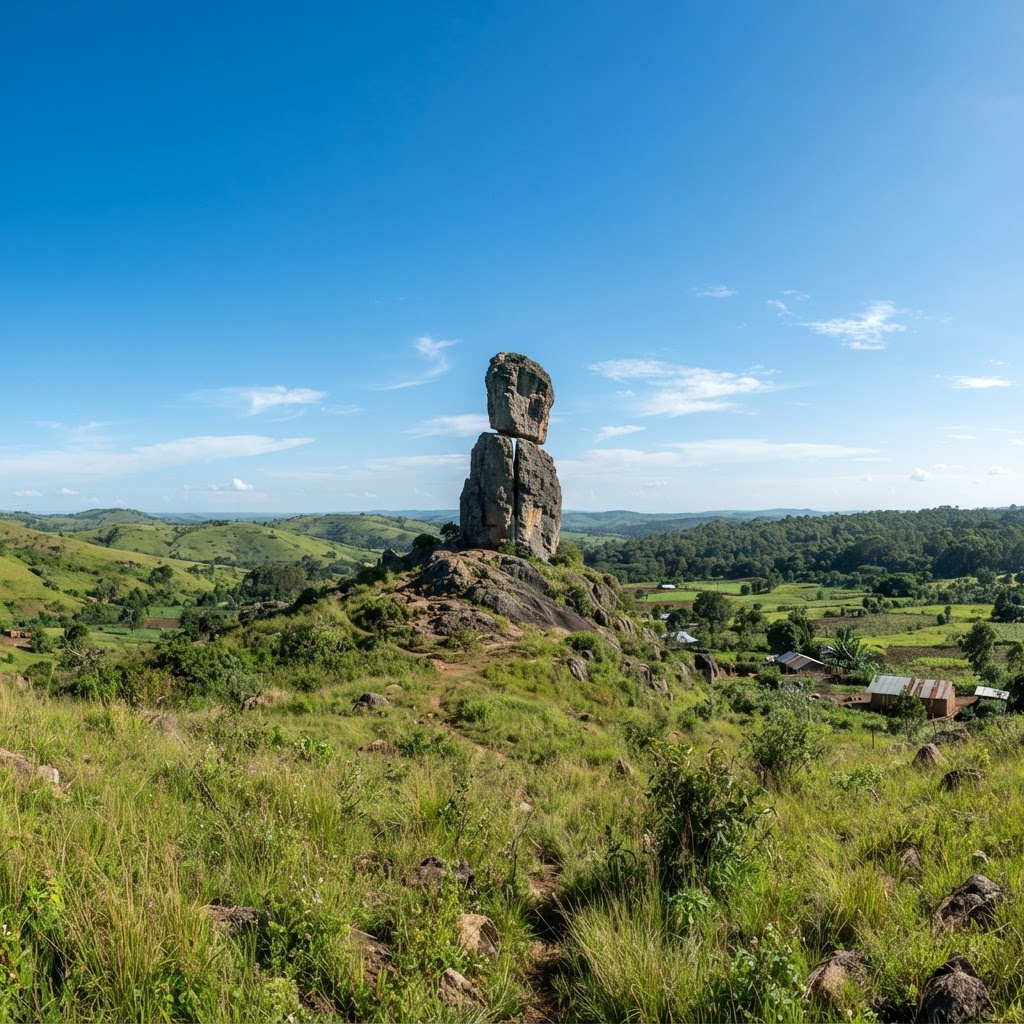
The Crying Stone of Ilesi: Visit this 40-meter tall geological wonder, which serves as a major spiritual site for the Luhya people.
Yala River Discovery: A guided walk to the river waterfalls offers a rare glimpse of the shy De Brazza's monkey.
Cultural Immersion: Engage with local village elders to understand the profound significance of the traditional Isukuti dance.
Planning your trip?
Compare accommodation, flights, insurance, and experiences before booking.
Lirhanda Hill serves as the highest point in the forest. It is highly recommended to bring sturdy hiking boots as the ascent can be steep and uneven.
360-degree views of the sprawling canopy.
Sweeping vistas of the distant Lake Victoria basin horizon.
Birdwatching Paradises
With over 300 bird species, the reserve is a premier ornithological site. Bring your binoculars and high-quality camera lenses for capturing life in the canopy layers.
Focus on spotting the Black-and-white-casqued Hornbill.
Seek guidance from local experts to identify rare endemic flora.
The Cultural Significance of the Crying Stone
Located just off the main road, the Crying Stone of Ilesi is a site of deep cultural reverence. Always respect local customs and ask your guide for the oral histories associated with this unique rock formation.
Sleeping Under the Forest Canopy
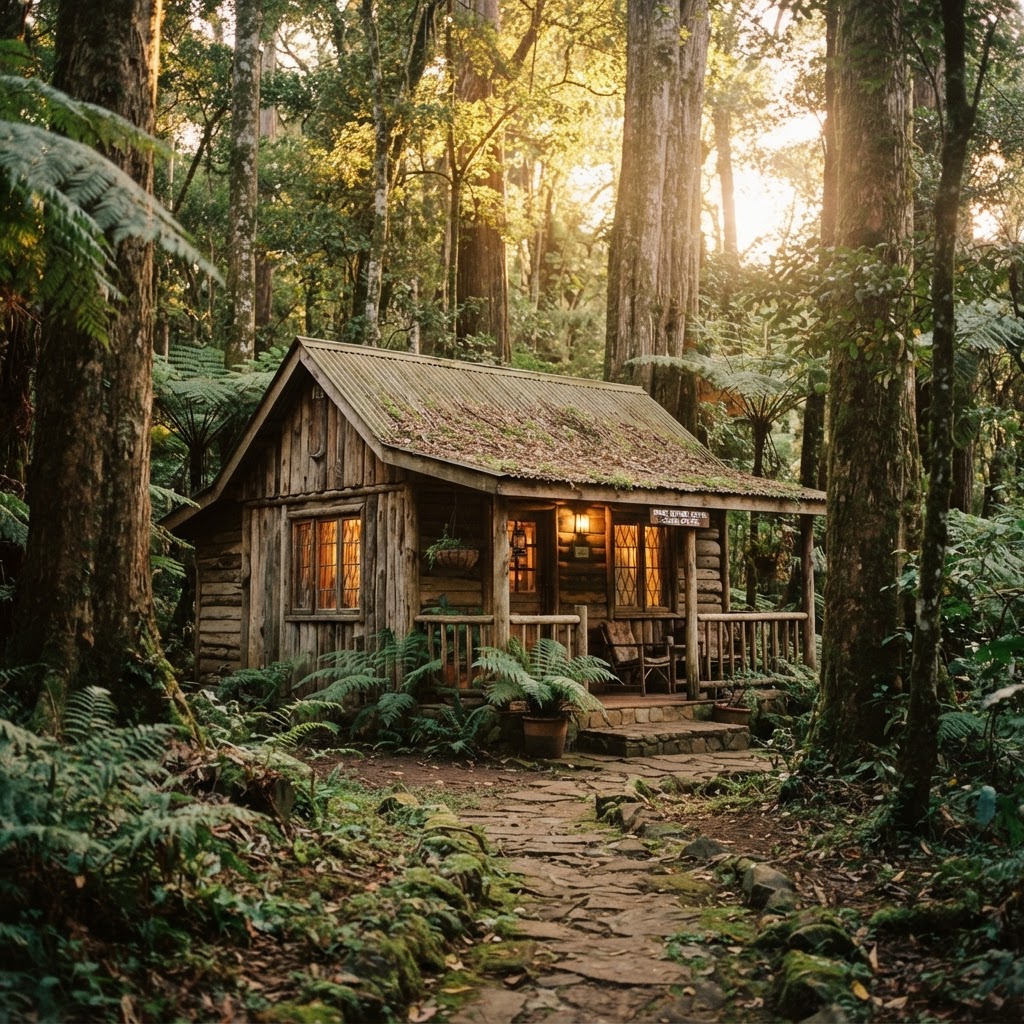
Staying within or near the forest is essential for an immersive experience. You have several options ranging from historic colonial comfort to authentic jungle living. Find Your Stay to secure your spot for the upcoming season.
Rondo Retreat Centre: An iconic colonial-era site offering historic charm. Prices for 2026 are approximately USD 130 per night full-board.
Golf Hotel Kakamega: Best for proximity to the city center and reliable amenities for business and leisure travelers.
Isecheno KEEP Bandas: The ultimate budget choice. At KES 2,000 per night, you are sleeping mere meters from the forest edge.
Luhya Hospitality and Farm-to-Table Flavors
Luhya culture is deeply centered around the hearth and the communal gathering. In Kakamega, the pride of the kitchen is Ingokho, a traditional free-range chicken stew served with Obhusuma.
Always wait to be served by the host before eating.
It is considered polite to wash hands using the communal basin before the meal.
Visit the Kakamega Municipal Market to sample fresh passion fruit and mangoes.
Most local vendors now accept M-Pesa payments for even small purchases.
Essential Safety and Sustainable Conduct
Travel safely by staying on marked trails; getting lost in the dense foliage is a genuine risk for solo travelers. If you are feeling unwell, the Kakamega County Referral Hospital is the primary facility for medical emergencies.
Practice responsible tourism by refusing single-use plastics.
Carry all your trash back out of the reserve to keep it pristine.
Purchasing woven crafts from local artisans in Ilesi directly funds forest conservation.
When moving between town and the forest, use registered boda-boda drivers who wear reflector jackets.
Logistics and Getting Around
Getting to Kakamega is straightforward for most international travelers. Most visitors fly into Kisumu International Airport (KIS) and take a 1.5-hour taxi or shuttle north through the beautiful countryside along the A1 Highway.
Safaricom 4G is robust in the town center, though you should expect intermittent signal in the core forest.
The 2026 entry fee for the northern section (Buyangu Gate) is USD 25 for non-residents.
These gates are cashless; ensure your M-Pesa or card is ready.
Kakamega County is a place of profound quiet and vibrant life. It challenges you to look closer and listen harder. Whether you are trekking the canopy or sharing a meal with a local family, this hidden gem is worth the journey. Start your planning today to ensure the best logistics and respect the local environment to preserve this rainforest for 2027 and beyond. Explore Things to Do to finalize your travel itinerary.
Frequently Asked Questions
Find the Perfect Stay
Explore hotels, resorts, apartments, and unique stays curated for your destination.
Kakamega County is home to the only true tropical Guineo-Congolian rainforest in Kenya, offering world-class birdwatching, unique cultural experiences with the Luhya people, and serene eco-tourism opportunities.