AdvaTrav
Masai Mara Safari Guide 2026: The Regenerative Revolution
Destinationsmasai marakenya travelregenerative tourism

Masai Mara Safari Guide 2026: The Regenerative Revolution

AdvaTrav Travel TeamAugust 31, 20265 min read

✨ Key Takeaways

  • 1Best Time to Visit: July to October for the Great Migration.
  • 2Budget Expectation: $600–$1,500+ per day for luxury eco-camps.
  • 3Transit Hubs: Jomo Kenyatta International (NBO) and Wilson Airport (WIL).
  • 4Recommended Trip Duration: 5 to 7 days for deep immersion.

In a nutshell

Redefine your 2026 safari experience by prioritizing ecological restoration, community partnerships, and sustainable luxury in the iconic Masai Mara.

⚡ Quick Highlights

At a Glance

  • Best Time to Visit: July to October for the Great Migration.
  • Budget Expectation: $600–$1,500+ per day for luxury eco-camps.
  • Transit Hubs: Jomo Kenyatta International (NBO) and Wilson Airport (WIL).
  • Recommended Trip Duration: 5 to 7 days for deep immersion.

The era of the 'Big Five' checklist safari is fading into the history books. As we look toward 2026, the global travel community is recalibrating its relationship with Kenya's most iconic ecosystem.

You are no longer just a visitor in the Masai Mara. You are becoming an active participant in a living, breathing laboratory for regenerative travel where every footstep counts toward restoring the golden savannahs.

Unveiling the Mara: A Local Perspective on Regenerative Impact

True luxury in the Mara is now measured by your net-positive impact on the soil. Regenerative tourism goes a step beyond sustainability; while sustainability aims to do no harm, regeneration actively heals the ecosystem.

In 2026, industry reports from the World Travel & Tourism Council highlight Kenya as a premier sustainable tourism powerhouse. Local guides in the Talek region now prioritize habitat restoration.

Core Regenerative Principles

  • Prioritize camps that use 100% solar power to reduce their carbon footprint.
  • Support lodges that employ the vast majority of their staff from nearby Maasai villages.
  • Choose operators that provide direct funding for local water projects and community schools.
  • Engage in invasive species removal efforts during your stay.
  • Respect riparian protection zones along the Talek River, situated at 1,550 meters elevation.

Timing Your Arrival: Chasing the Pulse of the Savannah
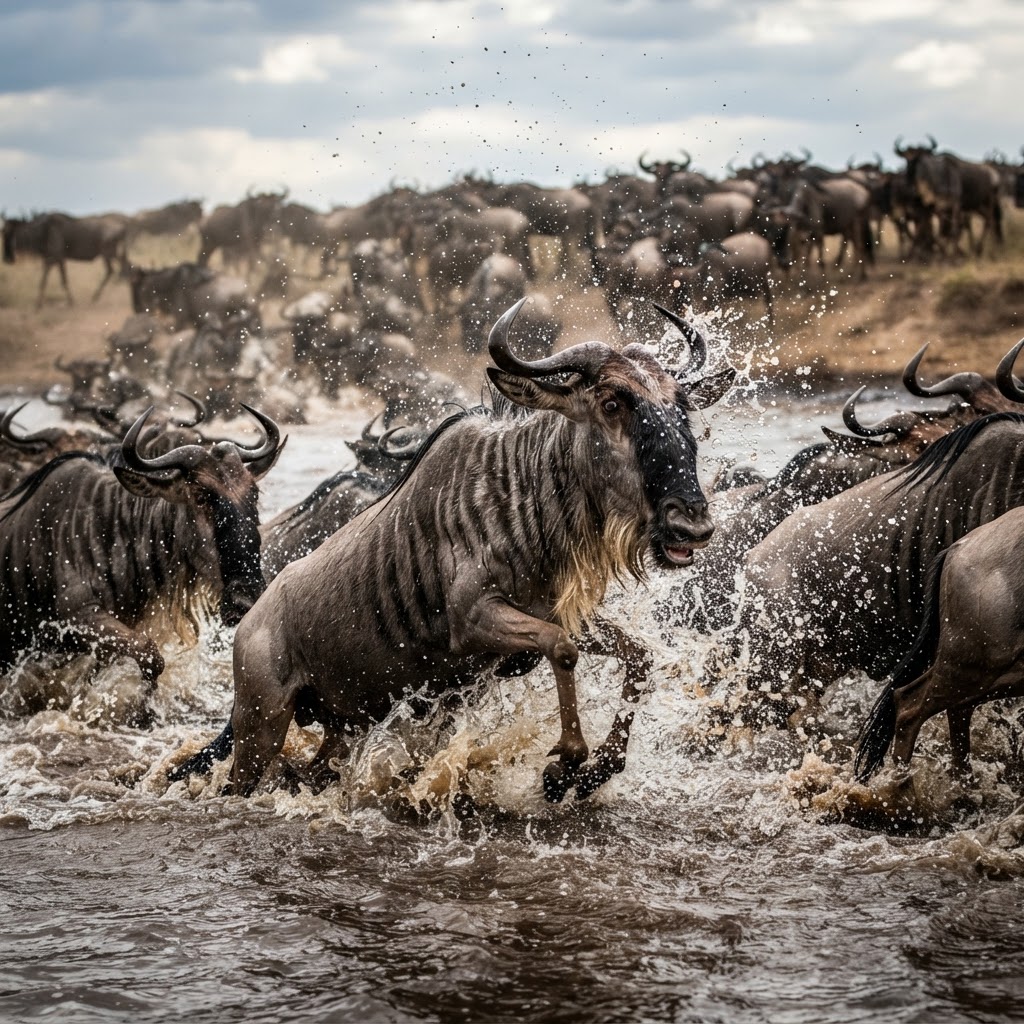
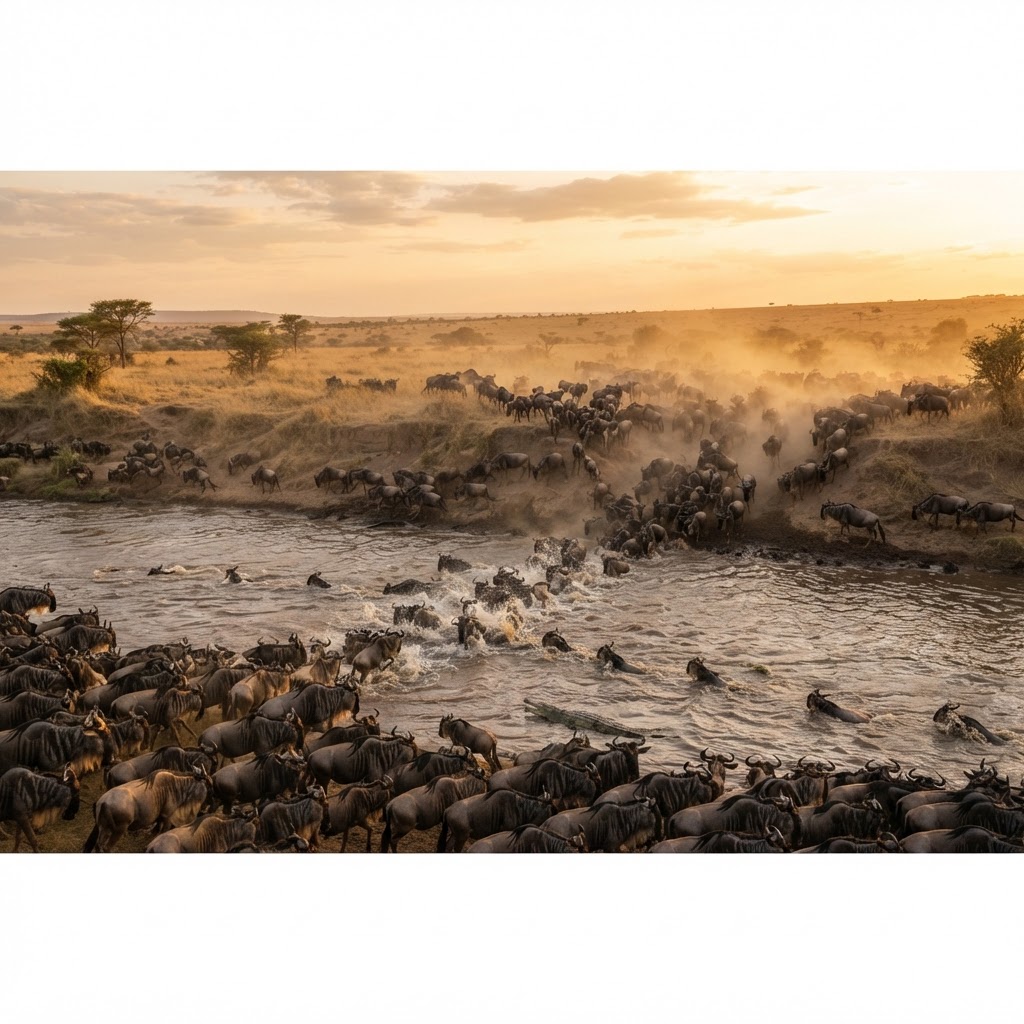
Wildebeest herd crossing the river during the Great Migration.

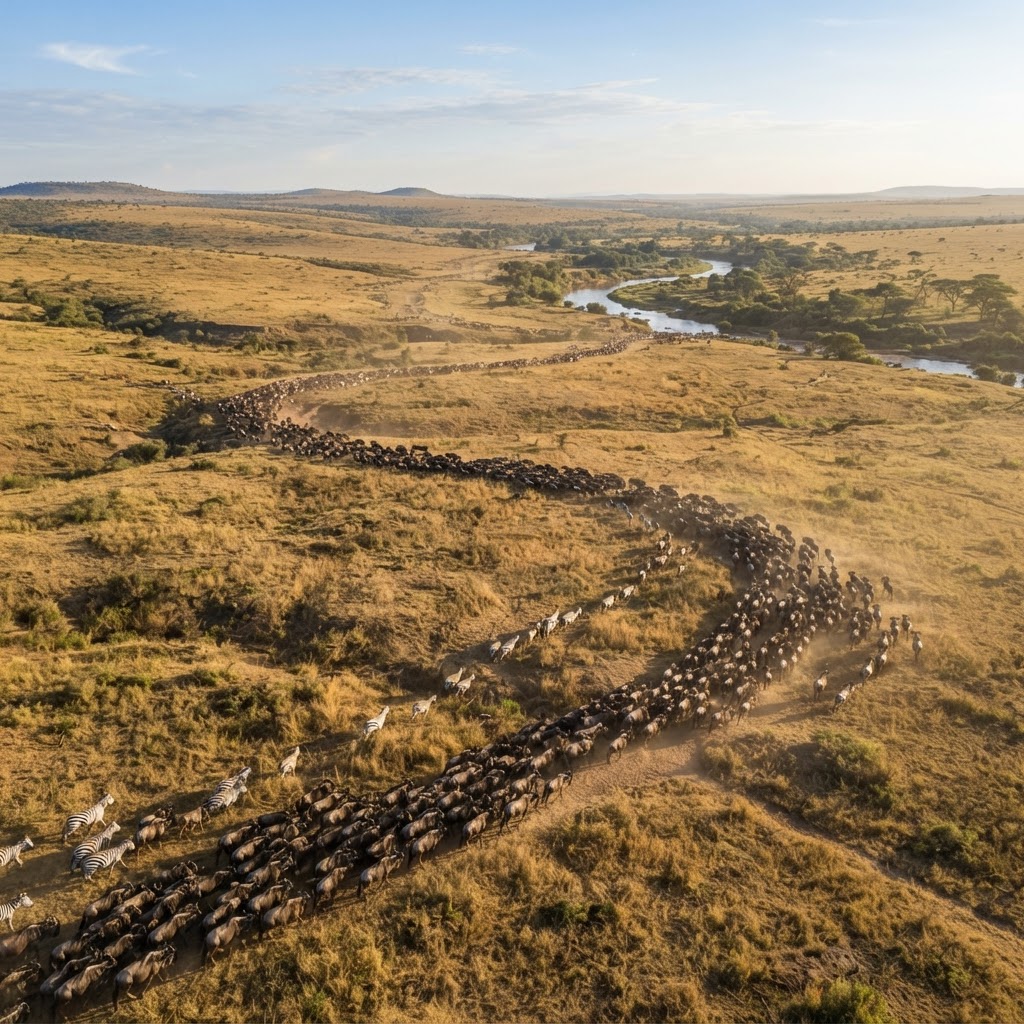
The rhythm of the Mara is dictated by the pulse of the rain and the seasonal movement of the wildebeest. Planning your arrival requires a balance of timing and flexibility.

Seasonal Recommendations

  • July to October: Witness the Great Migration, the most iconic wildlife spectacle on Earth.
  • November and May: Experience the 'emerald season' for lush vegetation and newborn wildlife sightings.
  • April: Exercise caution as some seasonal properties close during the height of the long rains.
  • Always verify specific camp opening dates, as 2026 weather patterns remain dynamic.

Top Experiences for the Conscious Explorer

An ethical safari in 2026 involves engaging with the Mara on its own terms. Avoid 'staged' experiences and seek out authentic, community-led connections that foster genuine understanding.
Planning your trip?

Compare accommodation, flights, insurance, and experiences before booking.

1. Guided Bush Walks with Maasai Elders

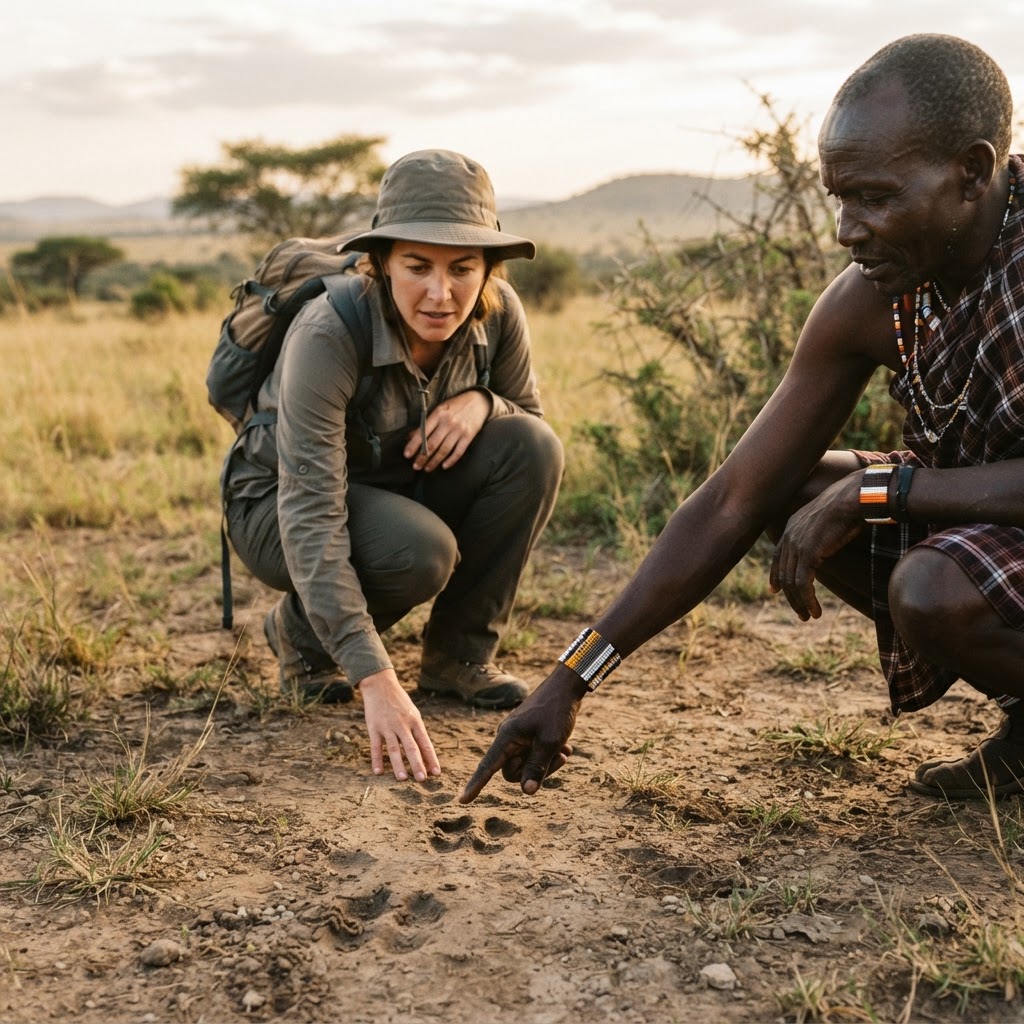
Maasai guide teaching traditional tracking skills in the Masai Mara.

  • Learn the medicinal properties of local flora.
  • Master the ancient art of tracking animals.
  • Slow your pace to notice micro-ecosystems of the plains.

2. Community-Led Conservancy Safaris

  • Stay in private conservancies like Mara North or Naboisho to support Maasai landowners.
  • Use these essential buffer zones for wildlife migration.
  • Ensure your tourism dollars provide a direct livelihood for local families.

3. Sustainable Wildlife Monitoring

  • Participate in citizen science initiatives that track predator movements.
  • Help researchers gather data on how climate change affects the ecosystem.

Sanctuary and Solitude: Where to Stay Responsibly

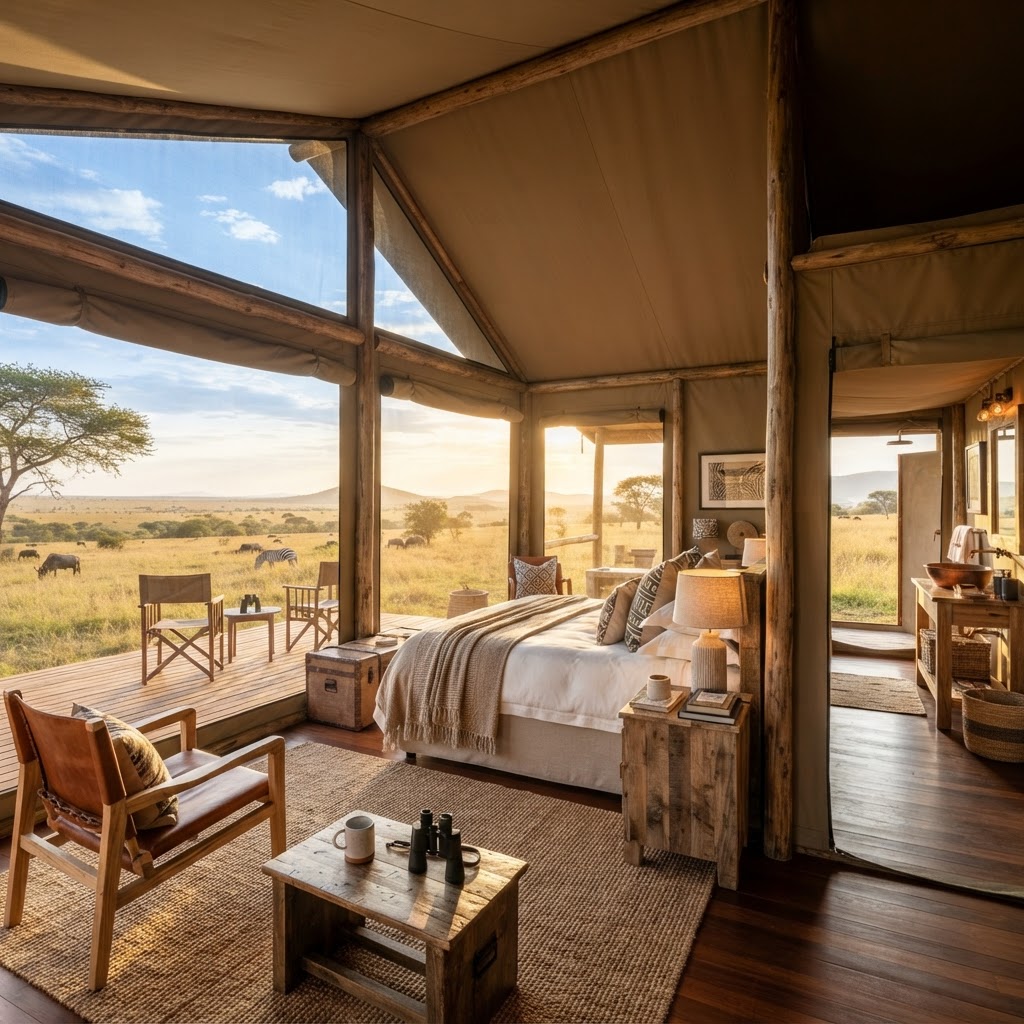
Interior of a luxury eco-friendly safari tent in the Masai Mara.

Low-impact, high-end accommodations now favor 'soft-footprint' architecture. These canvas-based structures are often raised on platforms, allowing small wildlife to move underneath undisturbed.

Accommodation Categories

  • Luxury Conservancy Tents: Designed for high-end privacy with minimal site disruption.
  • Community-Owned Eco-Lodges: Focus on direct investment into local grazing rights.
  • Mobile Eco-Camps: Temporary setups that leave zero permanent structure behind upon departure.

Find Your Stay

Eating, Etiquette, and the Culture of Ubuntu

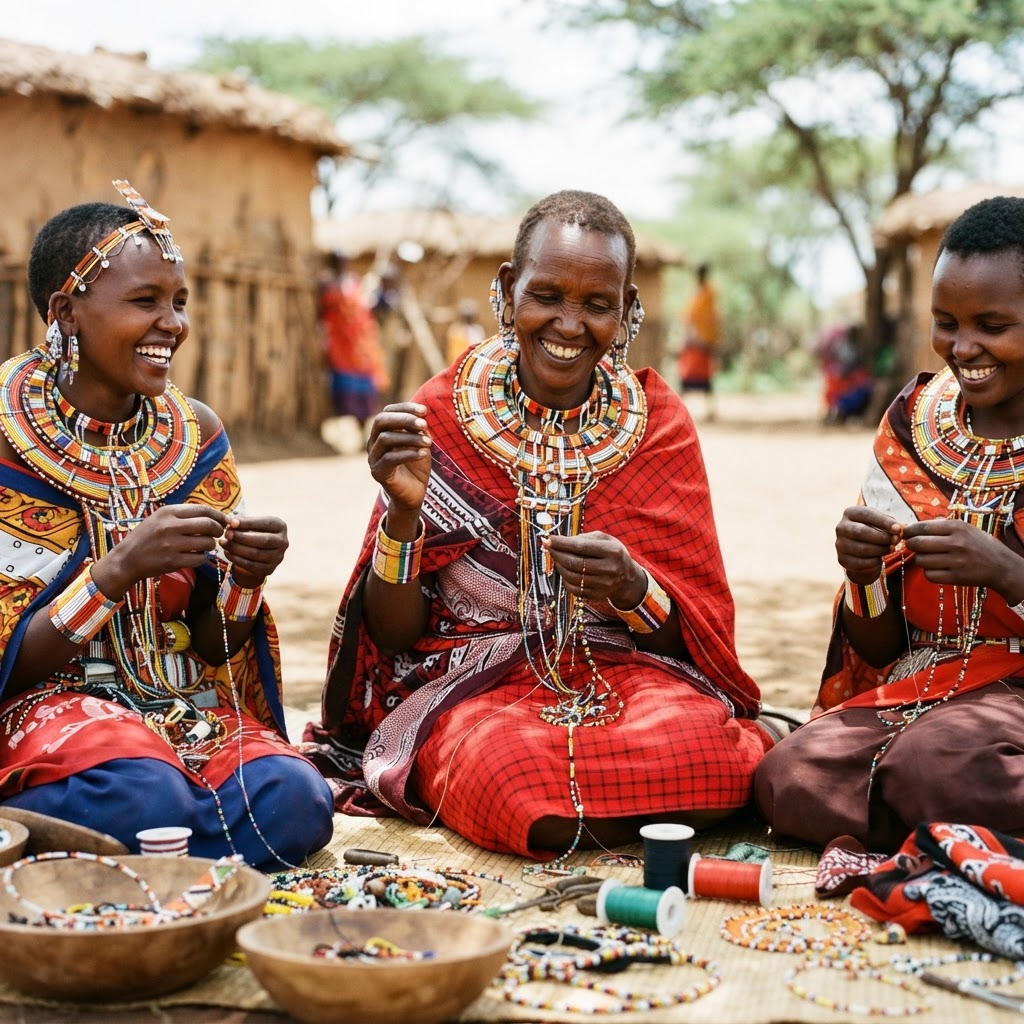
Maasai women creating traditional beadwork in a community cooperative.

Maasai hospitality is rooted in the philosophy of 'Ubuntu'—the belief that we are only human through our relationship with others. When engaging with local culture, keep these etiquette tips in mind.

Cultural Guidelines

  • Dress modestly in village settings by covering your shoulders and knees.
  • Purchase beadwork or crafts directly from women’s cooperatives in the Sekenani region.
  • Utilize digital transactions via M-Pesa at most markets.
  • Always request explicit permission before photographing individuals or ceremonies.

Safety, Health, and Practical Logistics

Planning your trip requires engagement with local infrastructure. Whether you are arriving by air or land, preparation is the key to a stress-free transition into the bush.

Essential Logistics

  • Air Travel: Fly from Wilson Airport to the Musiara or Keekorok airstrip (approx. 45 mins).
  • Road Travel: The 270km drive from Nairobi via Narok takes about 6 hours on the B3 highway.
  • Visa Requirements: As of 2026, the eTA system is mandatory and strictly enforced Check Visa Requirements.
  • Health Precautions: Consult your physician regarding malaria prophylaxis at least six weeks before departure.
  • Insurance: Secure emergency medical evacuation coverage through providers like AMREF Flying Doctors.

Final Thoughts: Building a Future in Symbiotic Harmony

Your choice of travel operator is a vote for the type of future you want to see. By aligning your travel budget with community-run initiatives, you help build a future where the wild, the local, and the traveler exist in balance.

The future of the Mara is bright, but it requires us to be more than just observers. Embrace the journey of becoming a regenerative traveler and start planning your restorative adventure today.

Explore Things to Do

Frequently Asked Questions

Find the Perfect Stay

Explore hotels, resorts, apartments, and unique stays curated for your destination.

Compare Accommodation

Find the Best Flight Deals

Search flights from multiple airlines and compare schedules, stopovers, and fares.

Search Flights

Travel With Confidence

Protect your holiday against cancellations, medical emergencies, baggage delays, and travel disruptions.

Get Travel Insurance

Check Entry Requirements

Verify visa and travel requirements before making your booking.

Check Visa Requirements

Popular Tours & Experiences

Make the most of your trip by booking attractions, local tours, airport transfers, and unique activities.

✓ City Tours✓ Theme Parks✓ Day Trips✓ Cultural Experiences✓ Airport Transfers
Explore Activities

Ready to Plan Your Adventure?

Everything you need to organize your trip is available in one place.

Accommodation Flights Travel Insurance Visa Guidance Tours & Activities

Travel Deals & Recommendations

Recommended travel insurance for your trip:

Travel Insurance

Destination & Region

The Masai Mara is a world-renowned wilderness area in southwestern Kenya, famous for its exceptional concentration of wildlife and the annual Great Migration of wildebeest.

📍 Masai Mara National Reserve📍 Talek River📍 Mara North Conservancy📍 Naboisho Conservancy📍 Sekenani Gate