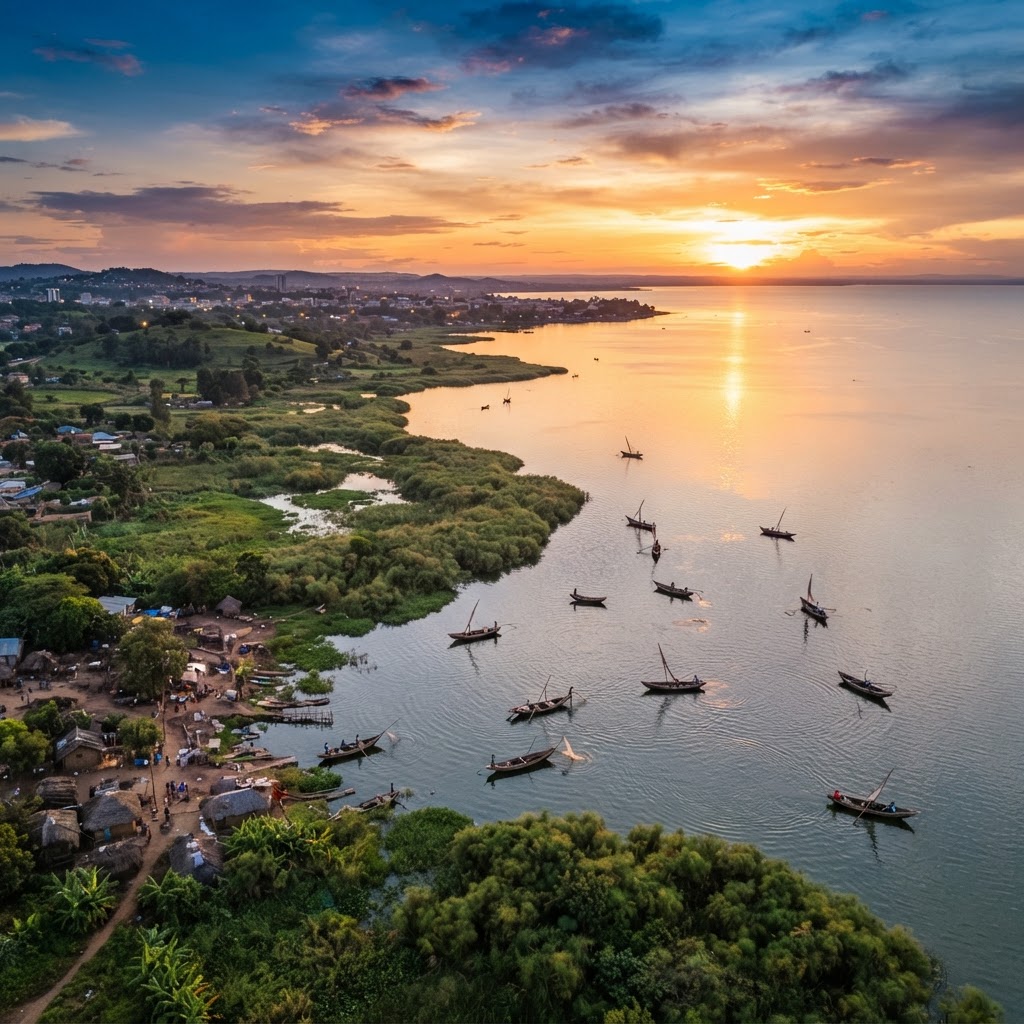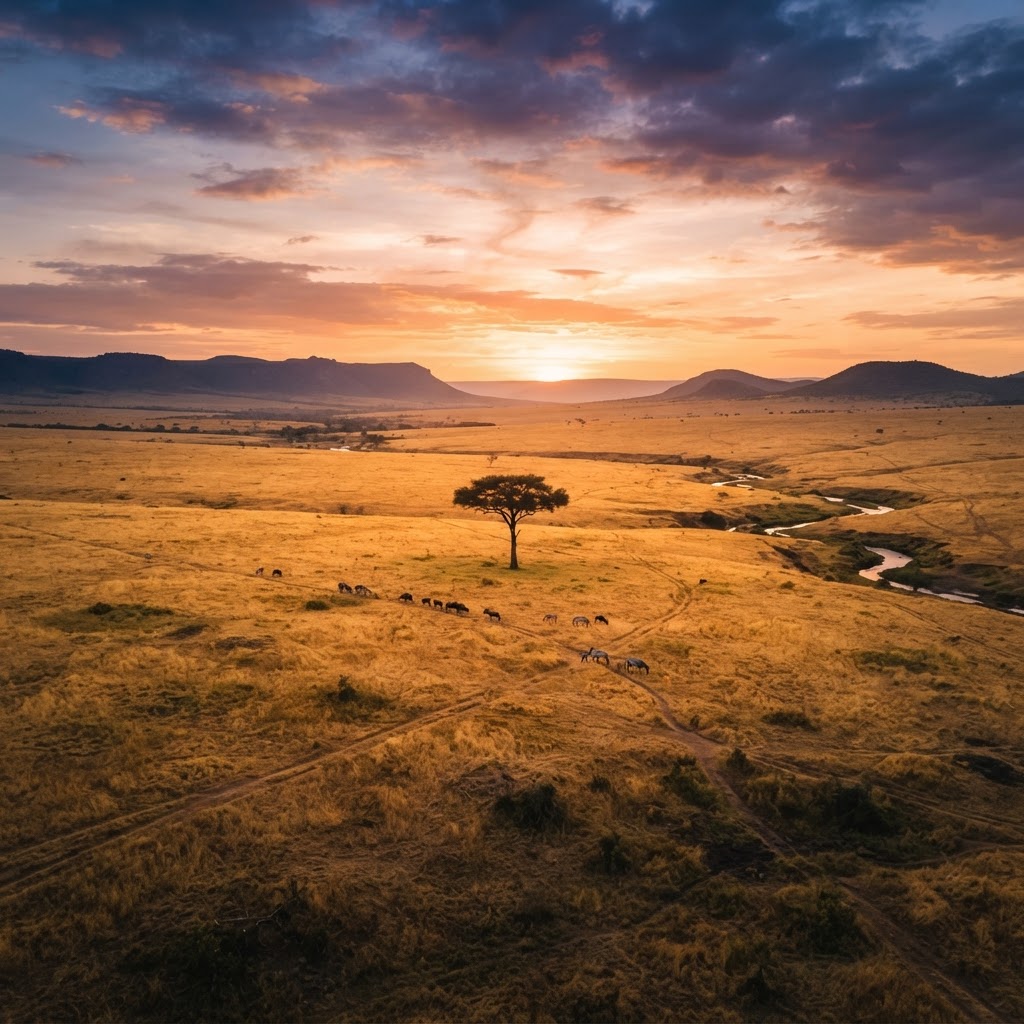
Stepping off the B3 Highway and into the heart of the South Rift, you immediately feel the shift in pace. The air is crisp, the horizon is vast, and the golden plains of Narok County hold secrets far beyond the standard safari circuit.
As of 2026, this region has emerged as a leader in community-driven conservation. It blends the ancient, stoic rhythms of the Maa people with forward-thinking eco-tourism initiatives that invite you to slow down and truly observe the wild beauty of Kenya.
At a Glance
- Experience the annual November Maa Cultural Festival near Sekenani Gate.
- Explore sacred indigenous forests in the Loita Hills with expert local guides.
- Support regenerative grazing initiatives that harmonize livestock with wildlife.
- Taste authentic Nyama Choma in the vibrant, bustling markets of Narok Town.
The South Rift: Kenya’s 2026 Cultural Epicenter
Narok County spans over 18,000 square kilometers and is evolving into a destination in its own right, no longer just a transit point for the Maasai Mara. The Maa Economic Bloc (MAAEB) has empowered local communities to lead their own tourism development.
Why Focus on Community-Led Tourism?
- High-Impact, Low-Volume: Modern tourism in Narok prioritizes the dignity of the local people and the health of the fragile savannah ecosystem.
- Direct Investment: Your visit directly supports local schools, medical clinics, and vital anti-poaching units across the region.
- Cultural Integrity: By engaging with community-led projects, you ensure that traditional knowledge and heritage are preserved for future generations.
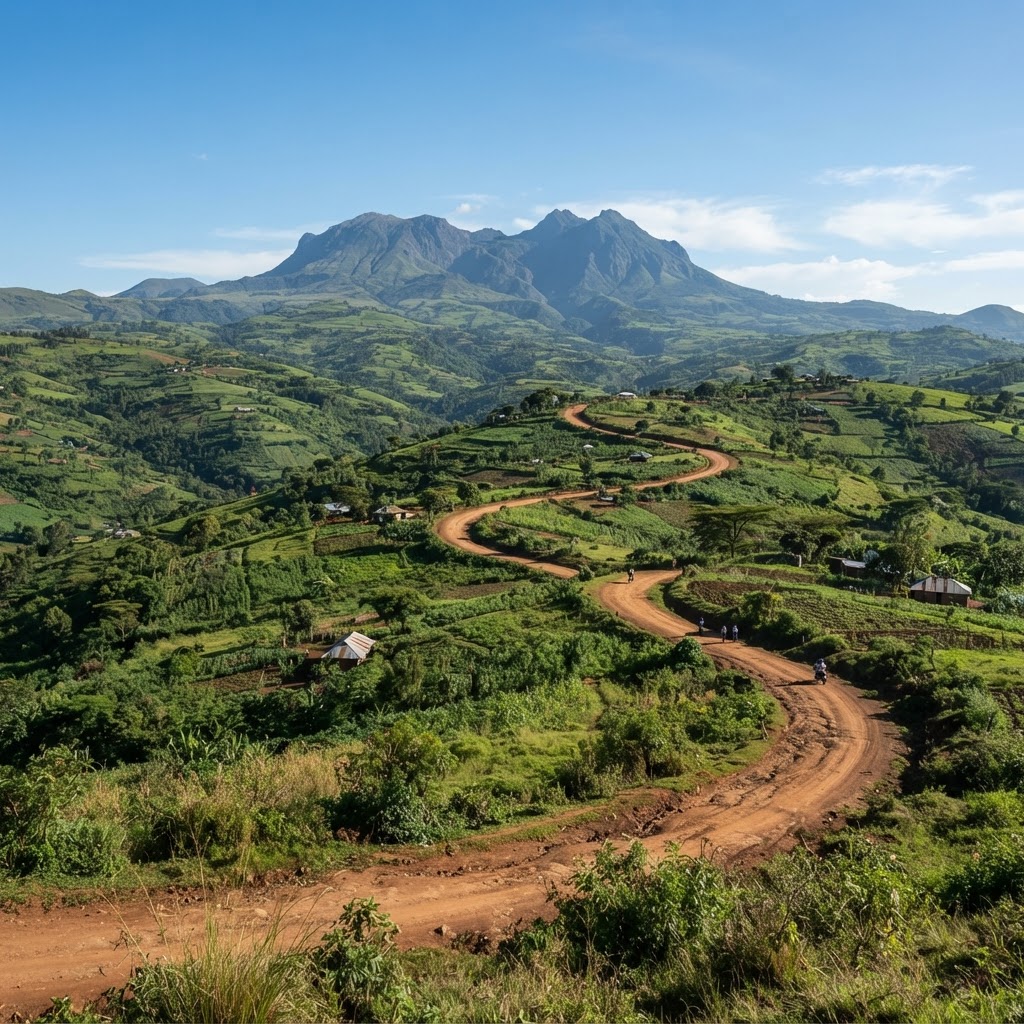
- Educational Agritourism: Discover how the northern highlands serve as Kenya’s 'breadbasket' for wheat and barley production through authentic farm-stay experiences.
Timing Your Journey to the Land of the Maa
Choosing the right window for your visit is essential for capturing the best of the Rift Valley’s climate. The elevation creates a unique cycle of crisp, cool mornings and warm, sun-drenched afternoons.
Seasonal Travel Recommendations
- July to October (The Migration Season): The peak dry season when the Wildebeest Migration dominates. Expect high energy, premium pricing, and bustling activity.
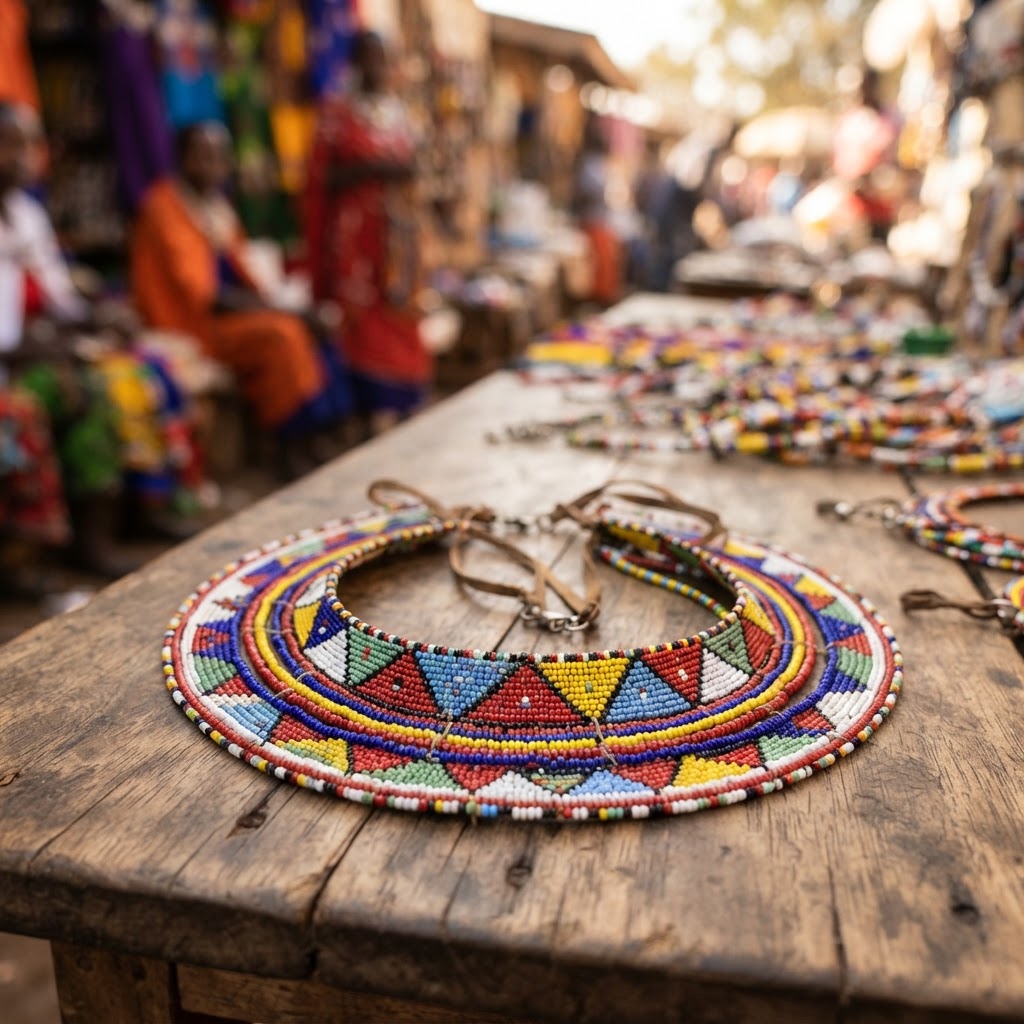
- November (The Cultural Season): The 'short rains' bring lush, emerald greenery. This is the optimal time for the Maa Cultural Week at the Sekenani Gate.
- January to March (The Calving Season): Predator action is at its peak. The weather is dry and perfectly suited for photography.
- April to May (The Long Rains): A quiet time where the Loita Hills transform. While roads can be challenging, the landscape is vibrantly alive and uncrowded.