Samburu County Kenya: The Ultimate 2026 Sustainable Travel Guide | AdvaTrav
AdvaTrav Travel TeamAugust 17, 20266 min read
✨ Key Takeaways
1Spot the rare Samburu Special Five wildlife species.
2Support community-owned conservation with the Northern Rangelands Trust.
3Stay in ethical eco-lodges for a positive local impact.
4Engage respectfully with ancient Samburu pastoralist culture.
In a nutshell
Discover the wild majesty of Samburu County, Kenya. Our 2026 guide covers the Special Five, ethical wildlife safaris, and authentic cultural immersion.
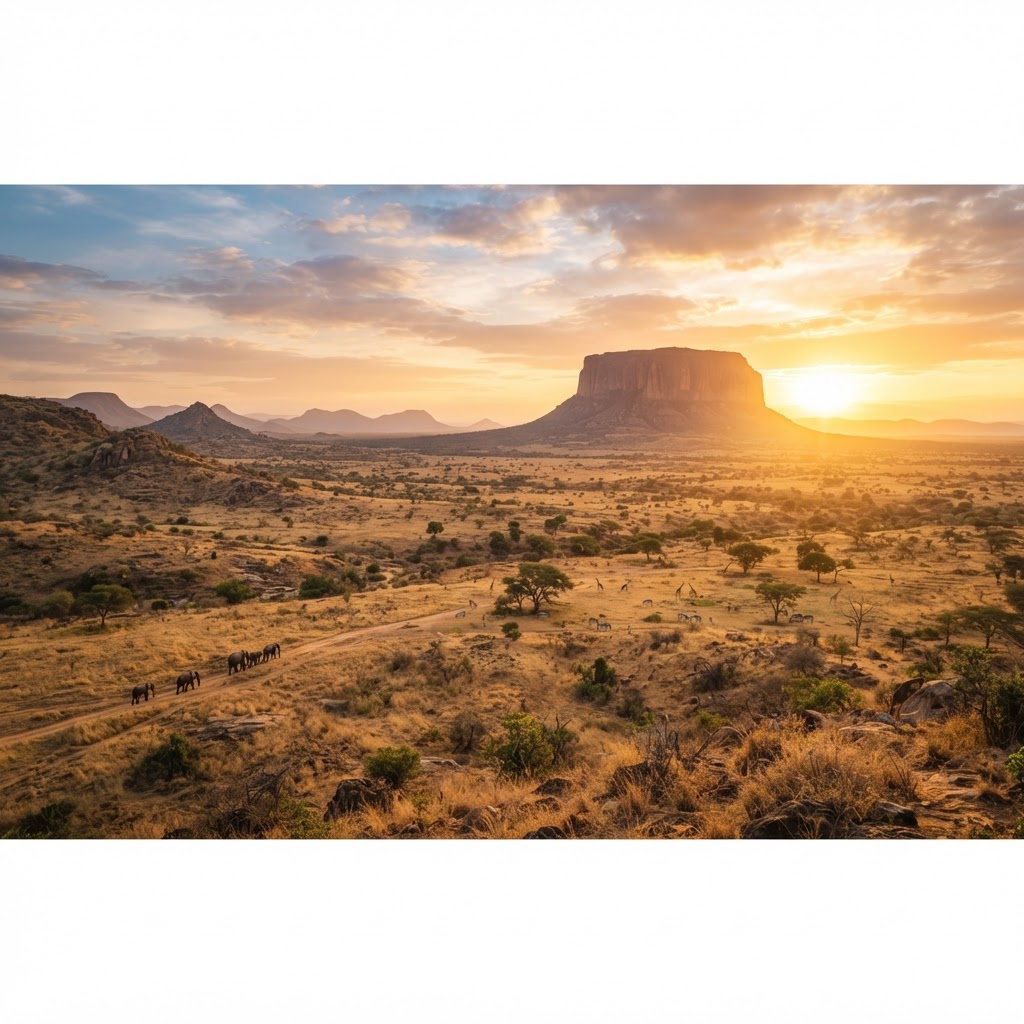
Imagine the crimson dust of the northern plains swirling around the silhouette of a reticulated giraffe as the sun dips behind the towering, flat-topped Mount Ololokwe. You are roughly 350 kilometers north of Nairobi, far from the manicured vehicle trails of the Maasai Mara, breathing in air that feels ancient, untouched, and profoundly alive. This is Samburu County, a sanctuary where the Ewaso Nyiro River acts as the lifeblood for both legendary wildlife and the resilient, vibrant Samburu people.
In 2026, traveling to the Northern Frontier is not merely a vacation; it is a commitment to the future of conservation. As you venture into this arid, high-altitude landscape, you are entering a space where community-led stewardship is the primary engine of protection. Every kilometer you drive along the A2 highway toward this rugged expanse represents a shift toward more intentional, ethical exploration.
At a Glance
Experience the 'Special Five' unique to the arid northern plains.
Support the Northern Rangelands Trust for community-led conservation.
Stay in indigenous-owned eco-lodges for maximum positive impact.
Immerse yourself in the ancient pastoralist culture of the Samburu people.
Unveiling the Northern Frontier: An Insider’s Perspective
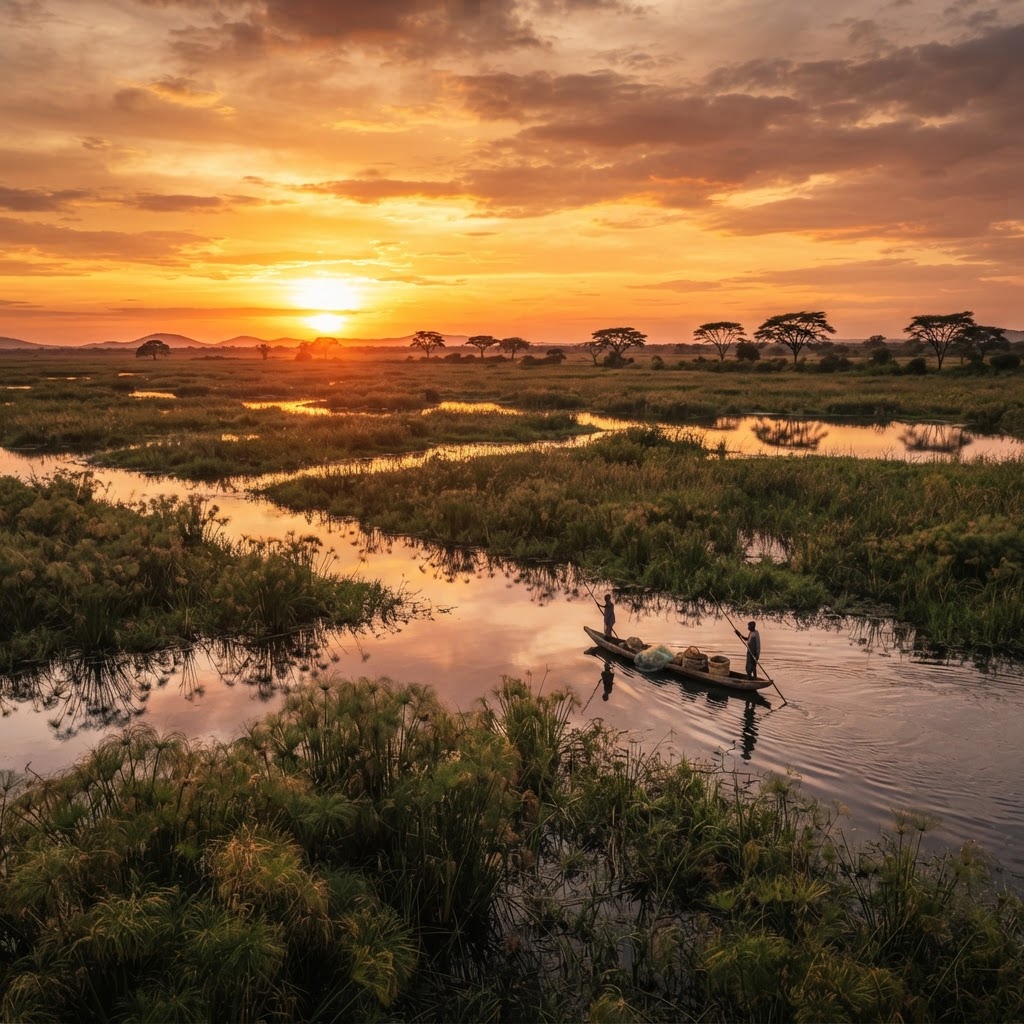
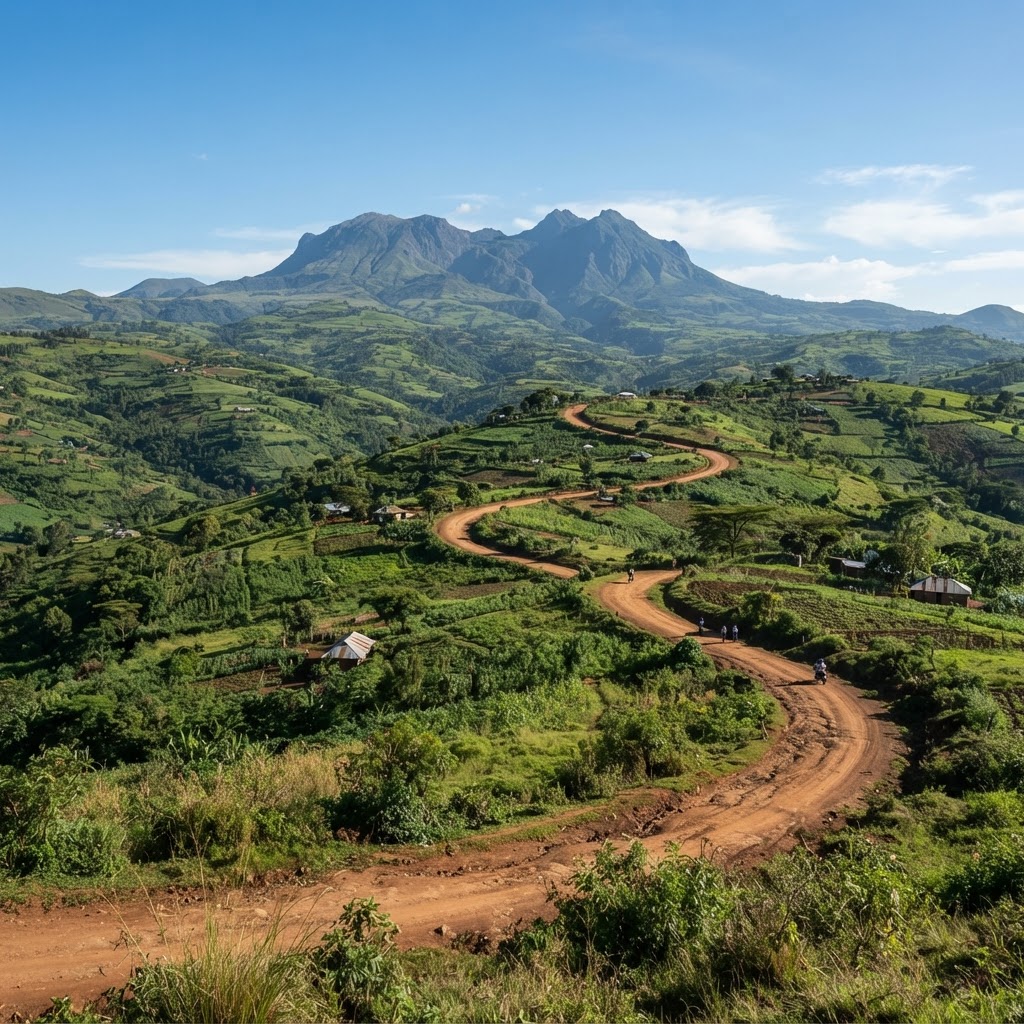
Samburu County exists as an island of life in a sea of semi-arid bush. Unlike the southern conservancies, the northern wilderness relies on the patience of the traveler. It takes roughly 6 to 7 hours of driving from Nairobi to reach the Archer's Post gate. This journey is a rite of passage, transitioning from the lush central highlands to the dramatic volcanic terrain of the north.
As someone who has navigated these rugged tracks, I advise you to embrace the "slow safari" approach. The wildlife here is not clustered in open grass; it is tucked away in dense doum palm forests along the Ewaso Nyiro River. Patience is your greatest tool; sit at a river bend for an hour, and you are far more likely to witness a leopard stalking in the shade than you are by racing between viewpoints.
Chasing the Special Five Along the Ewaso Nyiro
The allure of the north is defined by the Samburu Special Five—a collection of species evolved for the desert that you will not find in the south.
Reticulated Giraffe: Distinguished by their bold, liver-colored geometric patches.
Somali Ostrich: Famous for their distinct blue-toned legs.
Beisa Oryx: Elegant antelope with striking facial markings.
Gerenuk: Often called the giraffe-necked antelope, known for standing on hind legs to browse.
Grevy’s Zebra: The largest and most endangered species of zebra, featuring thin, high-frequency stripes.
The Reteti Elephant Sanctuary
Located in the Namunyak Conservancy, Reteti is the first community-owned elephant orphanage in Africa. Visiting here is a masterclass in modern, grassroots conservation. You can witness the keepers bottle-feeding rescued calves, knowing your entry fee directly contributes to local employment and anti-poaching patrol funding.
Planning your trip?
Compare accommodation, flights, insurance, and experiences before booking.
There is no light pollution here, making the night sky a cathedral of stars. Local guides often explain the constellations not just as navigation tools, but as the calendar of their ancestors, dictating the timing of festivals and nomadic movements.
Luxury Eco-Lodges: Establishments like Saruni Samburu offer villas integrated into the rock face. Expect rates starting around $850 USD per person/night in 2026, inclusive of all activities.
Mid-Range Tented Camps:Ashnil Samburu sits right on the riverbank. Prices are generally more accessible, often around $350–$450 USD per night.
Community Campsites: For the adventurous self-drive explorer, public sites near Maralal offer basic, low-cost stays. Find Your Stay to browse verified eco-friendly options.
Sustaining the Soul of the Land
Sustainability in Samburu is not a buzzword; it is a survival strategy. The Northern Rangelands Trust (NRT) has transformed thousands of hectares of communal land into protected zones where grazing and wildlife viewing coexist.
Purchase Locally: Buy beadwork directly from the women in the Manyatta villages to ensure 100% of the funds stay within the community.
Respect Boundaries: Always use a trained local guide when entering conservancy lands. They are the frontline defenders of these species.
Minimizing Impact: Use reusable water bottles and stay on designated tracks. The desert soil is incredibly fragile and slow to heal from tire tracks.
When the Long Rains Turn the North Green
The climate is a constant dance between drought and the life-giving rains. Planning for the "Green Season" (November and April/May) offers a landscape that is dramatically lush, though slightly more difficult to traverse due to mud on secondary tracks.
Dry Season (Jan–Feb & June–Oct): The absolute peak for wildlife viewing as game clusters at the river. Expect clear, hot days and cool desert nights.
Cultural Timing: Initiation ceremonies for the Morans (warriors) often take place when local resources are abundant, typically mid-year. Always ask your lodge host for guidance on attending community events respectfully.
Eating With the Moran: Cultural Etiquette
Culture is the pulse of the county. Whether you are drinking Susa (fermented milk) or witnessing a traditional song-and-dance, follow the lead of your hosts. If you visit a Manyatta, keep your movements slow and deliberate. Browse Car Rentals to ensure you have a reliable vehicle to reach these remote cultural sites safely.
Do’s and Don’ts
Dress Code: Modesty is key in rural villages. Ensure shoulders and knees are covered.
The Moran: These warriors are the community’s pride. Always ask permission before photographing their traditional attire.
Diet: Nyama Choma (roasted goat) is a celebratory staple. If offered food, accept it gracefully as a gesture of friendship.
Essential Guidance for the Northern Trail
Safety in the north is maintained through local awareness. Before you leave Nairobi, ensure you Check Visa Requirements and have a printed copy of your permits.
Practical Logistics
Health: Consult a travel clinic regarding malaria prophylaxis, as the Ewaso Nyiro basin is a risk zone. Always carry DEET-based repellent.
Money: M-Pesa is the gold standard for transactions, even in remote lodges. Keep your wallet balanced with smaller KES denominations for local market purchases.
Connectivity: Safaricom remains the most reliable network. However, expect signal drops as you descend into the Ewaso Nyiro valley.
Emergencies: Keep the emergency contact numbers for the local conservancy headquarters handy, as cellular coverage is not guaranteed everywhere.
Final Thoughts: Your Footprint Matters
Samburu County is a reminder that the wild still has a voice if we are willing to listen. By choosing to visit, you are an active participant in a model of conservation that favors indigenous rights alongside ecological health. Your journey north is a testament to the fact that we can explore with empathy and return home with a clearer understanding of our place in the global ecosystem. Explore Things to Do for your next adventure and continue to Read More Travel Guides for deep dives into East Africa’s hidden wonders.
Frequently Asked Questions
Find the Perfect Stay
Explore hotels, resorts, apartments, and unique stays curated for your destination.