Mastering the 2026 Great Migration: A 10-Day Slow Safari Guide
AdvaTrav Travel TeamJuly 31, 20266 min read
✨ Key Takeaways
1Experience the Great Migration with a 10-day immersive slow safari approach.
2Prioritize private conservancies for exclusive, crowd-free wildlife viewing.
3Balance wildlife photography with authentic local cultural engagement.
4Practice sustainable tourism to protect the delicate savanna ecosystem.
In a nutshell
Master the 2026 Great Migration through a 10-day slow safari. Discover deep wildlife connection, sustainable luxury, and expert tips for an unforgettable journey.
Experience the 2026 Great Migration through a 10-day immersive slow safari approach.
Prioritize private conservancies for exclusive, crowd-free wildlife viewing.
Balance wildlife photography with deep cultural engagement in the Masai Mara.
Implement sustainable travel practices to protect the delicate savanna ecosystem.
Why the Masai Mara Should Be on Your Radar
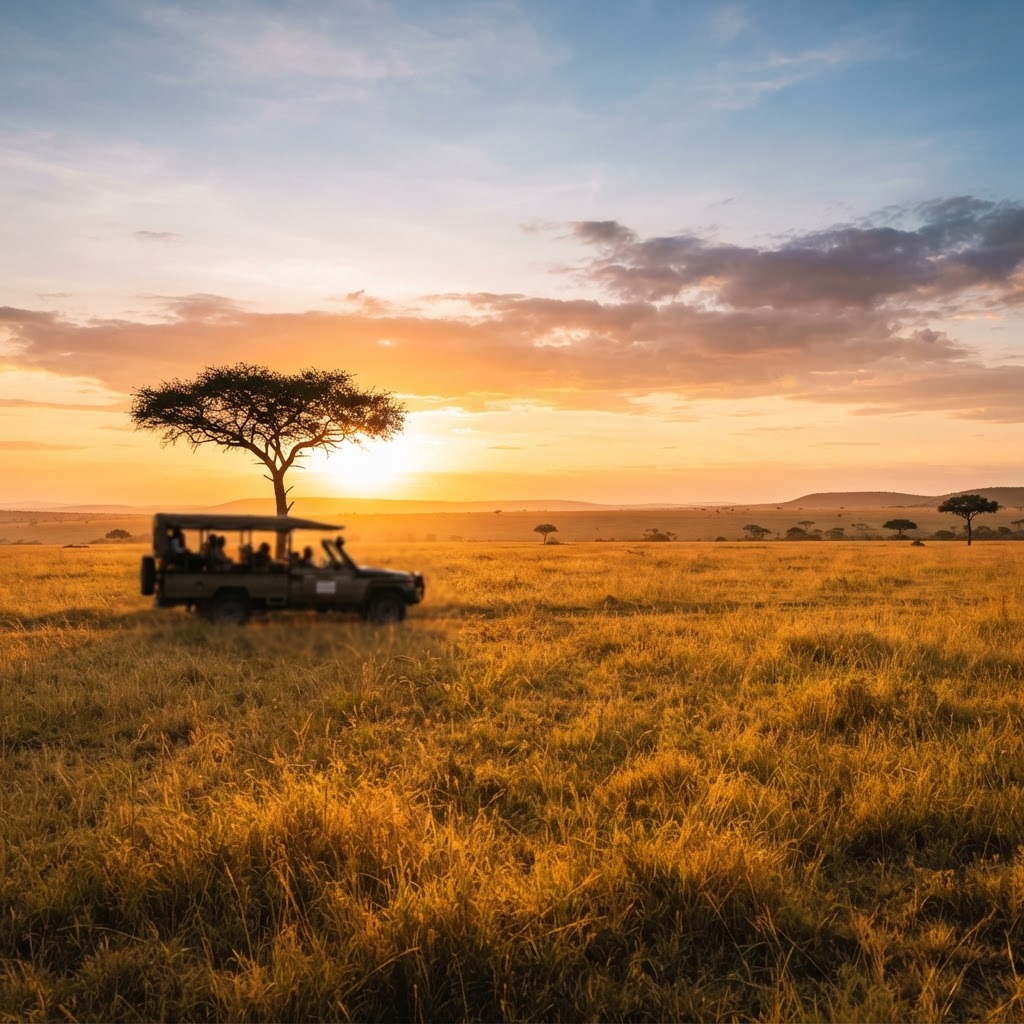
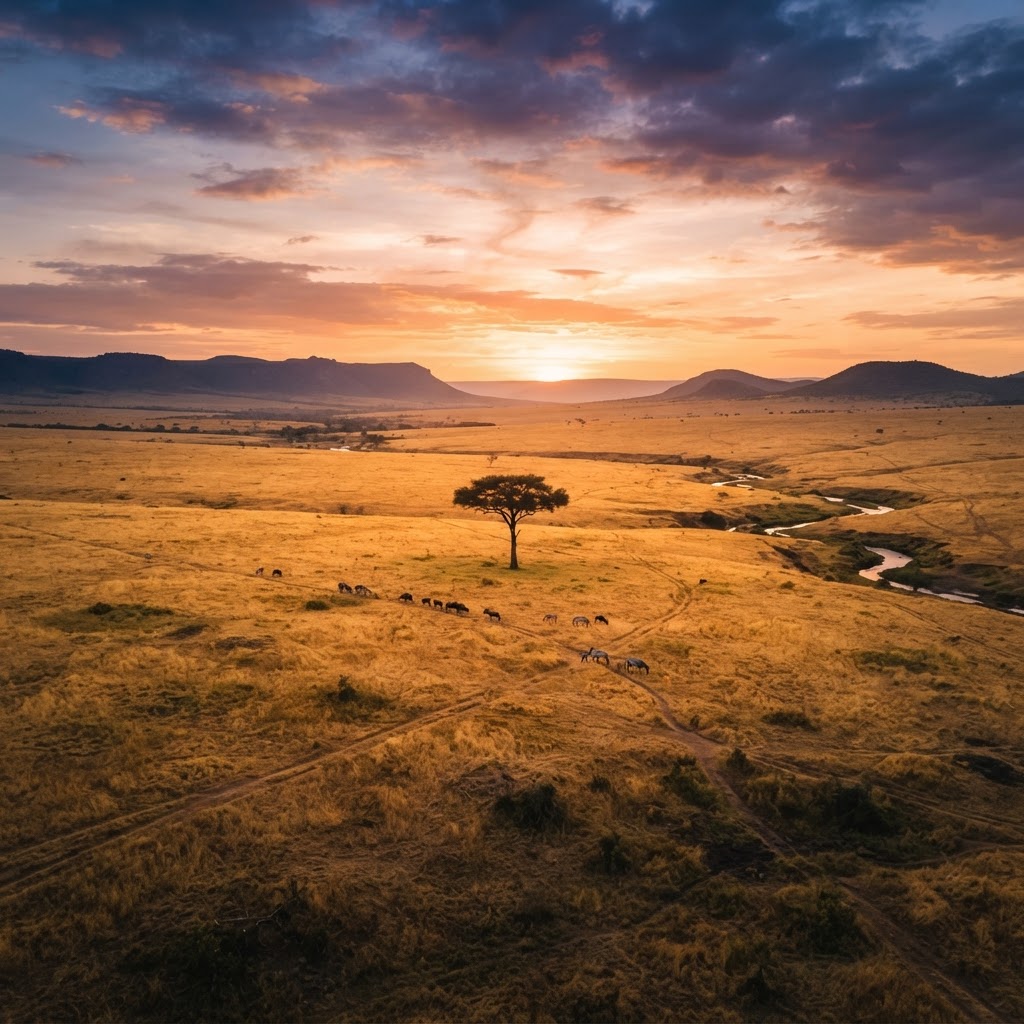
The Masai Mara National Reserve is not just a destination; it is the stage for nature’s greatest theater. By 2026, the focus for savvy travelers has shifted from the frantic tick-box approach to the slow safari movement. This philosophy emphasizes quality over quantity, encouraging you to sit with the land rather than racing across it.
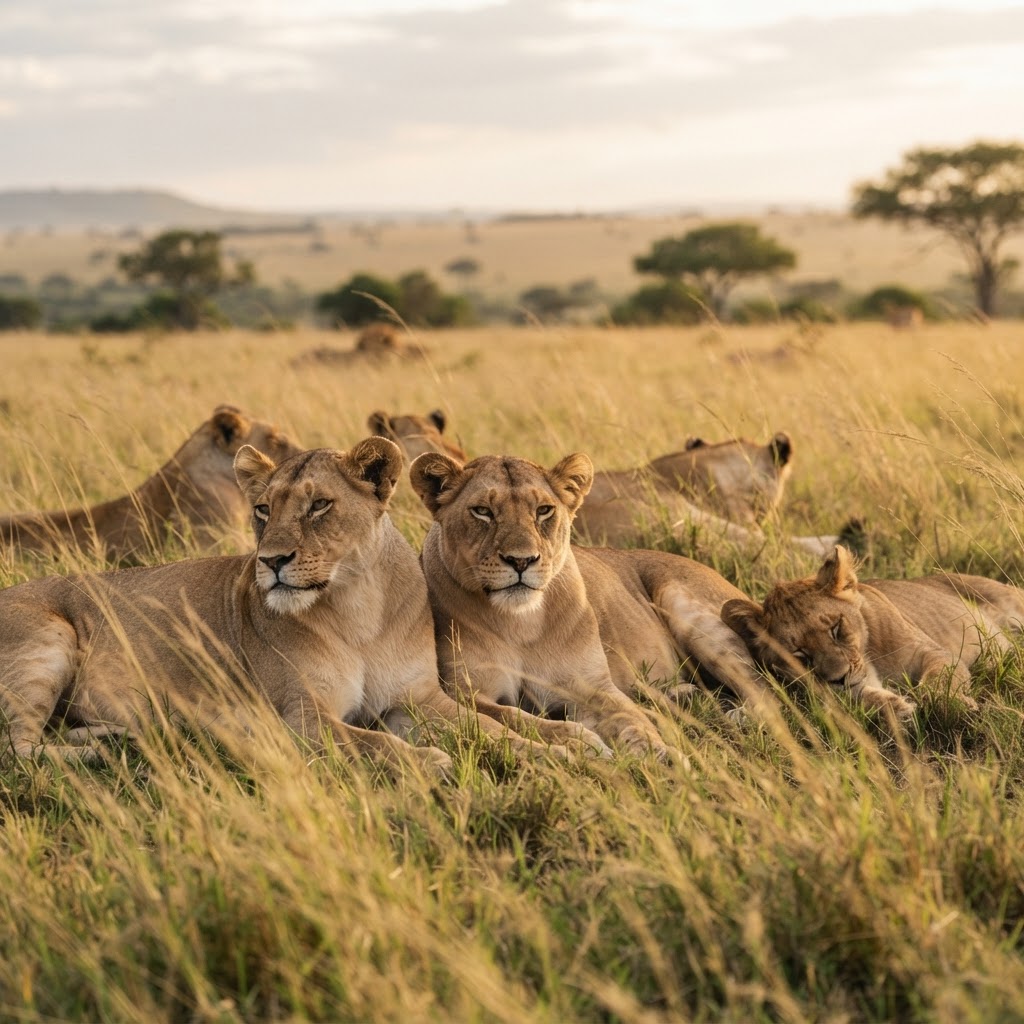
When you commit to a 10-day immersion, you strip away the stress of the 'day-tripper' mentality. You aren't just an observer of the Great Migration; you become a part of the rhythm of the plains. This extended timeline allows you to witness the subtle behavioral patterns of predators and the quiet majesty of the savanna that most travelers completely overlook in their rush to catch the next river crossing.
Best Time to Visit: Seasonal Insights
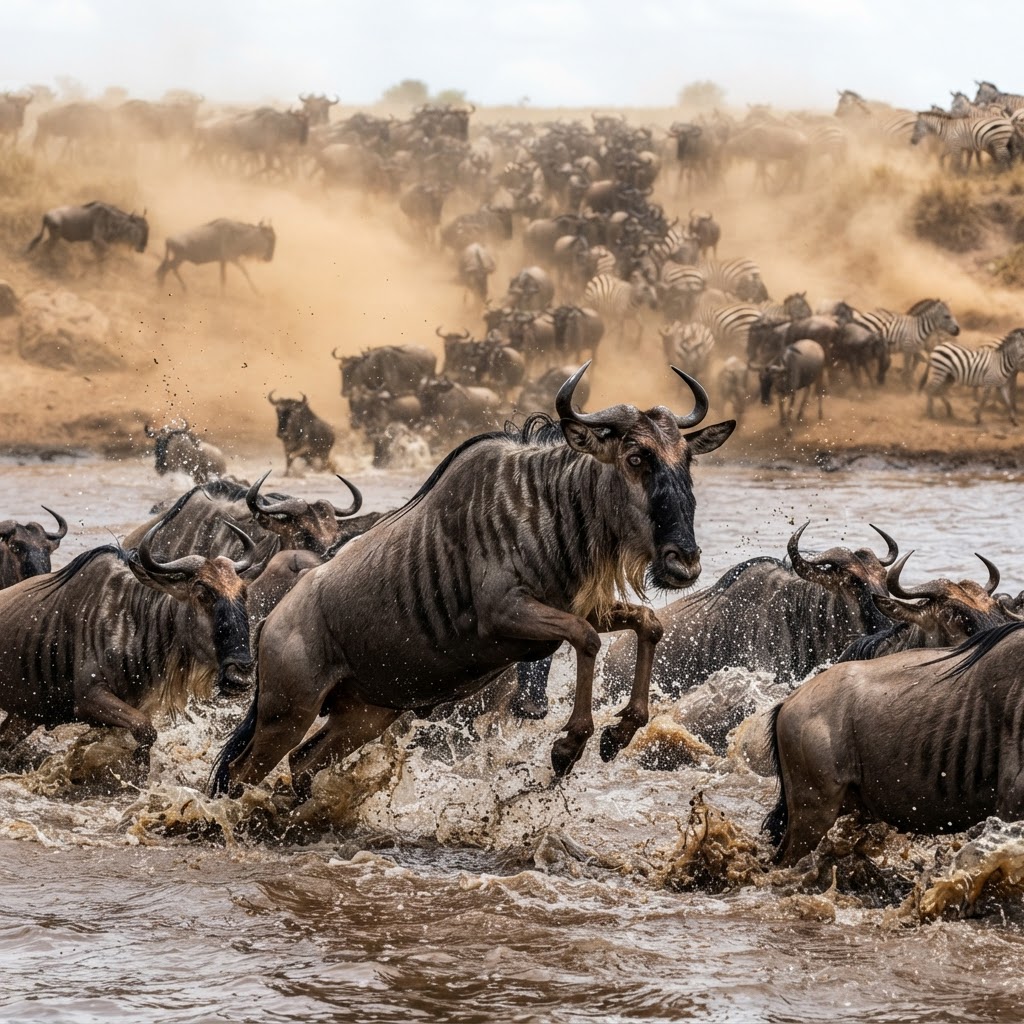
Timing your visit to the Masai Mara requires understanding the ecological pulse of the region. While the migration is a year-round cycle, the most dramatic river crossings typically occur between July and September.
Peak Season (July – October): This is when the herds congregate. Expect higher prices and more competition for the best photography spots.
Green Season (November – May): A hidden gem for birdwatchers and those seeking solitude. Prices drop significantly, and the landscape is lush and vibrant.
Weather Patterns: The Mara experiences two rainy seasons. The 'long rains' in April/May can make certain tracks impassable, while the 'short rains' in November provide a refreshing burst of life.
Top Things to Do
River Crossing Photography: Spend full mornings stationed near the Mara River to capture the iconic stampede.
Private Conservancy Night Drives: Discover nocturnal predators like leopards and aardvarks.
Maasai Cultural Exchange: Engage in authentic community visits that respect local customs.
Guided Bush Walks: Learn the intricacies of the ecosystem from an experienced walking guide.
Hot Air Balloon Safaris: See the migration from a bird's-eye perspective at sunrise.
Mastering River Crossing Photography
Success in the Mara requires patience. The key is positioning. Work with your guide to find a spot with a clear vantage point before the herds arrive. Use high-speed continuous shooting modes and be prepared for hours of waiting for that singular, dramatic plunge into the crocodile-infested waters.
Planning your trip?
Compare accommodation, flights, insurance, and experiences before booking.
Unlike the main reserve, private conservancies allow off-roading and night drives. This is where you witness the true "night shift" of the savanna. Keep your ISO settings high and your movements slow to avoid startling the wildlife.
Authentic Cultural Engagement
When visiting a Maasai village, remember that this is a home, not a theme park. Always ask for permission before taking photographs. Engage in conversation about their heritage, oral traditions, and current challenges, such as human-wildlife conflict management.
Where to Stay
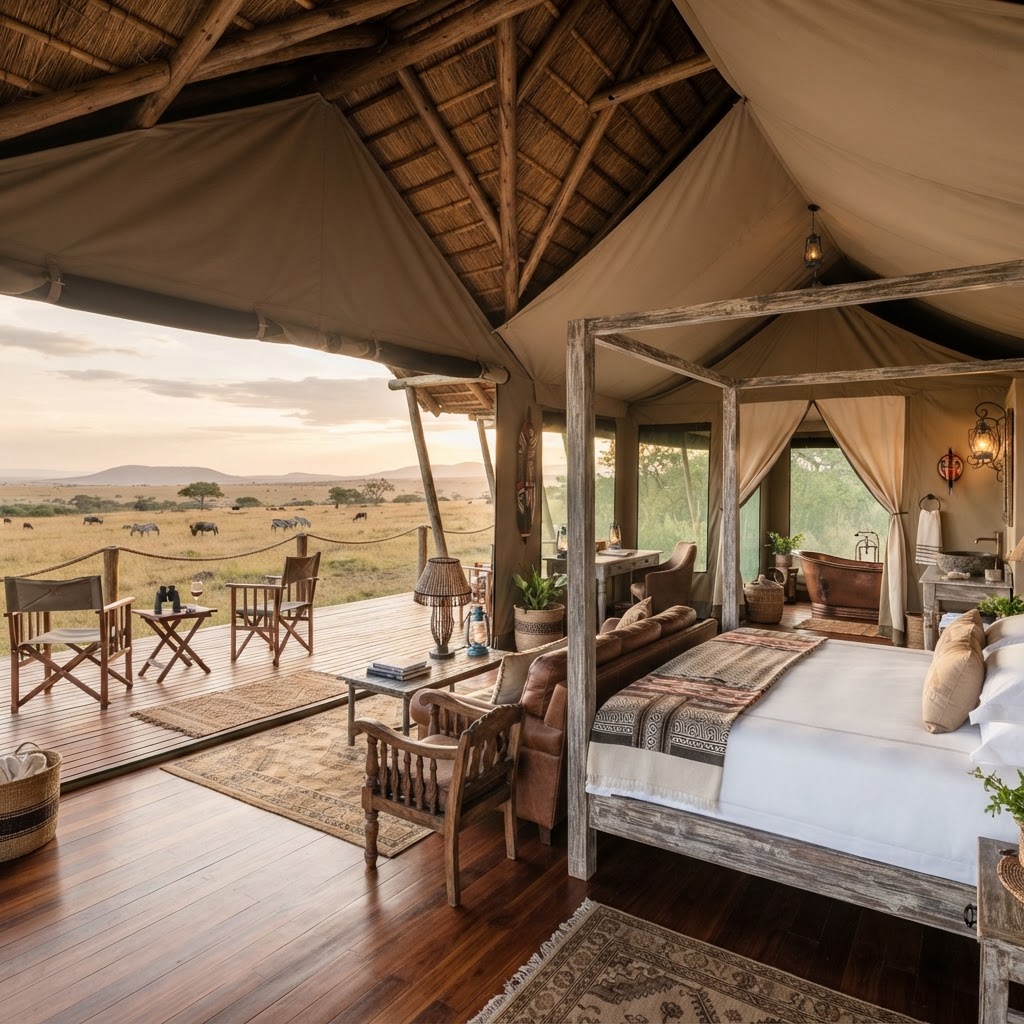
Choosing the right base is essential for a 10-day journey. Whether you prefer ultra-luxury tented camps or eco-conscious bush lodges, your choice directly impacts your footprint. Find Your Stay among our curated, sustainable accommodation partners.
Community-Owned Lodges: Direct your tourism dollars into the local economy.
Bush Camps: For the ultimate immersive, off-grid experience.
Cultural Insights & Etiquette
The Maasai culture is the heartbeat of the Mara. Respect is the universal language here. When interacting with locals, follow these simple, effective guidelines:
Dress Modestly: While safari gear is standard in the bush, keep shoulders and knees covered when visiting communities.
Tipping Culture: Tipping is not mandatory but highly appreciated. A standard guide tip is $15–$25 per day, depending on service quality.
Oral History: Listen more than you speak. The wisdom of the elders is the most valuable souvenir you can take home.
Safety Guidance
Safety in the Masai Mara is a combination of common sense and preparation. As of 2026, the area remains a secure destination, but always follow these precautions:
Health: Malaria prophylaxis is essential. Speak to your doctor about Atovaquone/Proguanil or similar options well in advance.
Wildlife Safety: Never exit your vehicle unless your guide explicitly states it is safe. At night, always be escorted by a member of the security team.
Emergency Contacts: Keep your lodge’s radio frequency and emergency evacuation contacts (such as AMREF Flying Doctors) saved in your phone.
Sustainable Travel Tips
Responsible tourism is the only way to ensure the future of the Great Migration. By choosing the slow safari method, you automatically reduce your carbon emissions from transit. Look for lodges that utilize solar energy and have robust waste management systems.
Minimize Plastic: Bring a high-quality, reusable water bottle. Many camps have filtered water stations.
Ethical Viewing: Discourage guides from driving too close to dens or birthing sites. A good guide respects the animal's space.
Support Conservation: Ask your lodge about their contributions to local conservancy funds.
Practical Travel Tips
Logistics in the Mara can be complex, but preparation makes all the difference. Check Visa Requirements on the official Kenya e-visa portal at least one month before your departure.
Connectivity: Signal is hit-or-miss. Expect to disconnect. If you must work, check if your lodge offers Starlink or satellite Wi-Fi.
Packing: Bring a lightweight, windproof jacket, sturdy walking boots, and binoculars. Leave the bright colors at home—neutral tones are key to avoiding drawing the attention of wildlife.
Getting Around: We recommend booking a reputable operator for all transfers. Browse Car Rentals if you are planning a self-drive section, though we generally advise against this for inexperienced drivers in the Mara.
Final Thoughts
A 10-day safari is not just a vacation; it is a profound lesson in patience and perspective. By slowing down, you trade the frenzy of a checklist for a deeper sense of wonder. We invite you to Explore Things to Do and join us in 2026 for an unforgettable slow safari that respects the land and its legends.
Frequently Asked Questions
Find the Perfect Stay
Explore hotels, resorts, apartments, and unique stays curated for your destination.