Ultimate Sustainable Kenya Safari: Community-Led Conservation Guide
AdvaTrav Travel TeamAugust 15, 20266 min read
✨ Key Takeaways
1Best time to visit is the dry season from July to October for optimal wildlife viewing.
2Choose community-led conservancies to directly fund conservation and habitat protection.
3Budget between $600 and $1,500+ per day for high-impact, eco-conscious luxury lodges.
4Always prioritize ethical operators who practice transparent 'local-first' hiring and land leasing.
In a nutshell
Explore the future of luxury safari travel in Kenya through community-led conservancies. Learn how to support ecological restoration and local livelihoods.
Best time to visit is the dry season from July to October for optimal wildlife viewing.
Choose community-led conservancies to directly fund conservation and habitat protection.
Budget between $600 and $1,500+ per day for high-impact, eco-conscious luxury lodges.
Always prioritize ethical operators who practice transparent 'local-first' hiring and land leasing.
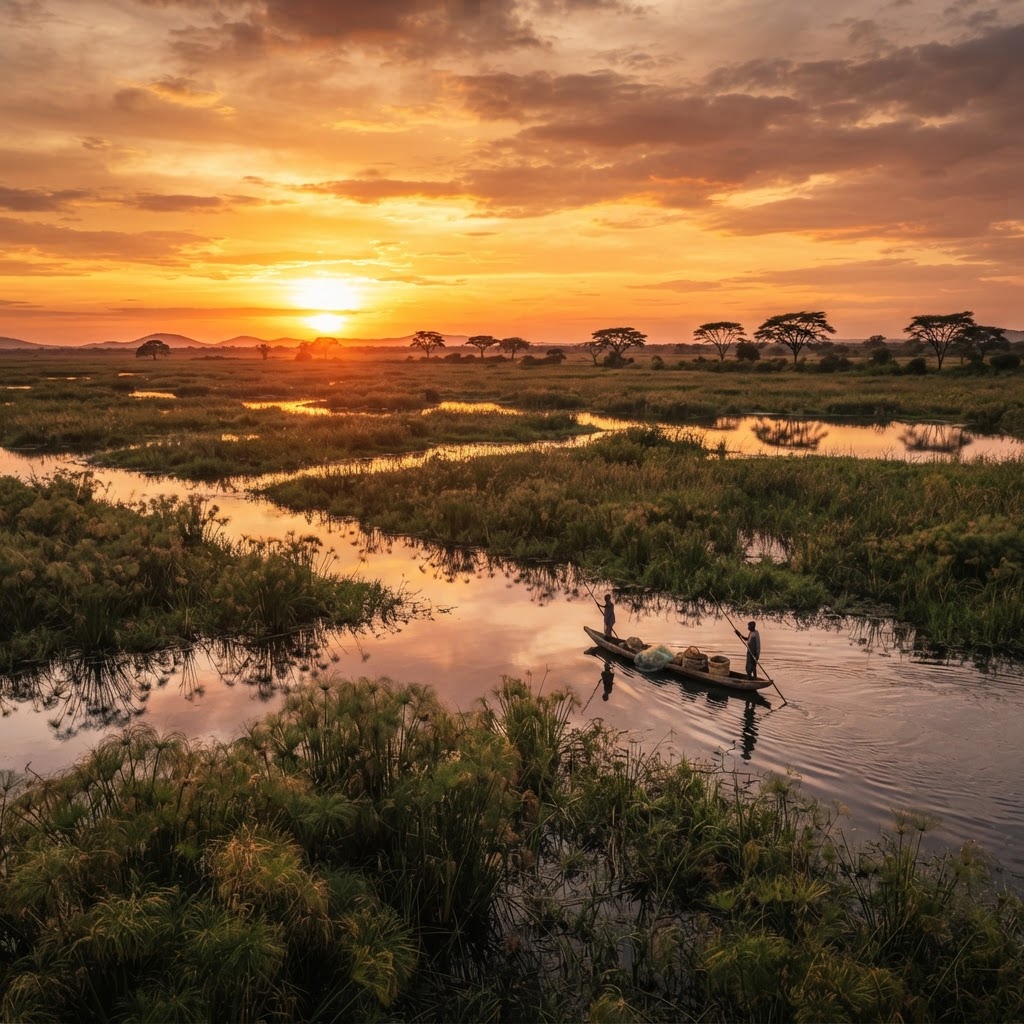
Imagine waking up to the distant, rhythmic roar of a lion echoing across the golden savannah as the sun paints the horizon in hues of amber and violet. A sustainable Kenya safari is no longer just about ticking the 'Big Five' off a list; it is a profound journey of immersion where your very presence helps safeguard the heartbeat of the wild.
As we look toward 2026, regenerative tourism has become the gold standard in East Africa. By choosing to stay in community-led conservancies, you transform from a passive observer into a vital pillar of ecological restoration and social empowerment for the Maasai and Samburu people.
The Philosophy of Ethical Kenya Safaris
Modern travel in Kenya has evolved significantly. Today’s journey is about deep connections and responsible footprint management, ensuring your visit leaves the environment better than you found it.
Understanding Regenerative Tourism
When you visit a community-led conservancy, you are actively participating in a symbiotic model of survival. Your travel dollars directly fund land leases that provide a viable economic alternative to habitat conversion, protecting the delicate balance between wildlife and local human populations.
Direct Impact: Your stay funds the preservation of untamed landscapes.
Community Dignity: Investments support local infrastructure, schools, and healthcare.
Active Participation: You are not just a spectator; you are a partner in habitat restoration.
Seasonal Insights: When to Experience the Wild
Kenya’s climate is wonderfully diverse, offering unique experiences depending on the time of year. Understanding these patterns ensures you align your expectations with the natural rhythm of the land.
Planning Your Trip Timing
July – October: This is the golden window, coinciding with the iconic Great Migration in the Maasai Mara. The dry weather clears the brush, making wildlife spotting significantly easier.
January – February: Ideal for those who love birdwatching. The weather is dry, though you may encounter brief, localized rains that turn the landscape a refreshing, vibrant green.
March – May: Known as the 'long rains' season. While travel is more challenging, the landscapes are incredibly lush, and the visitor crowds are at their absolute minimum.
Immersive Experiences and Activities
From the thundering hooves of the Great Migration to quiet moments under a canopy of stars, Kenya offers a wealth of profound, low-impact adventures.
Planning your trip?
Compare accommodation, flights, insurance, and experiences before booking.
Great Migration Viewing: Experience the raw energy of the Maasai Mara as millions of wildebeest and zebra traverse the plains.
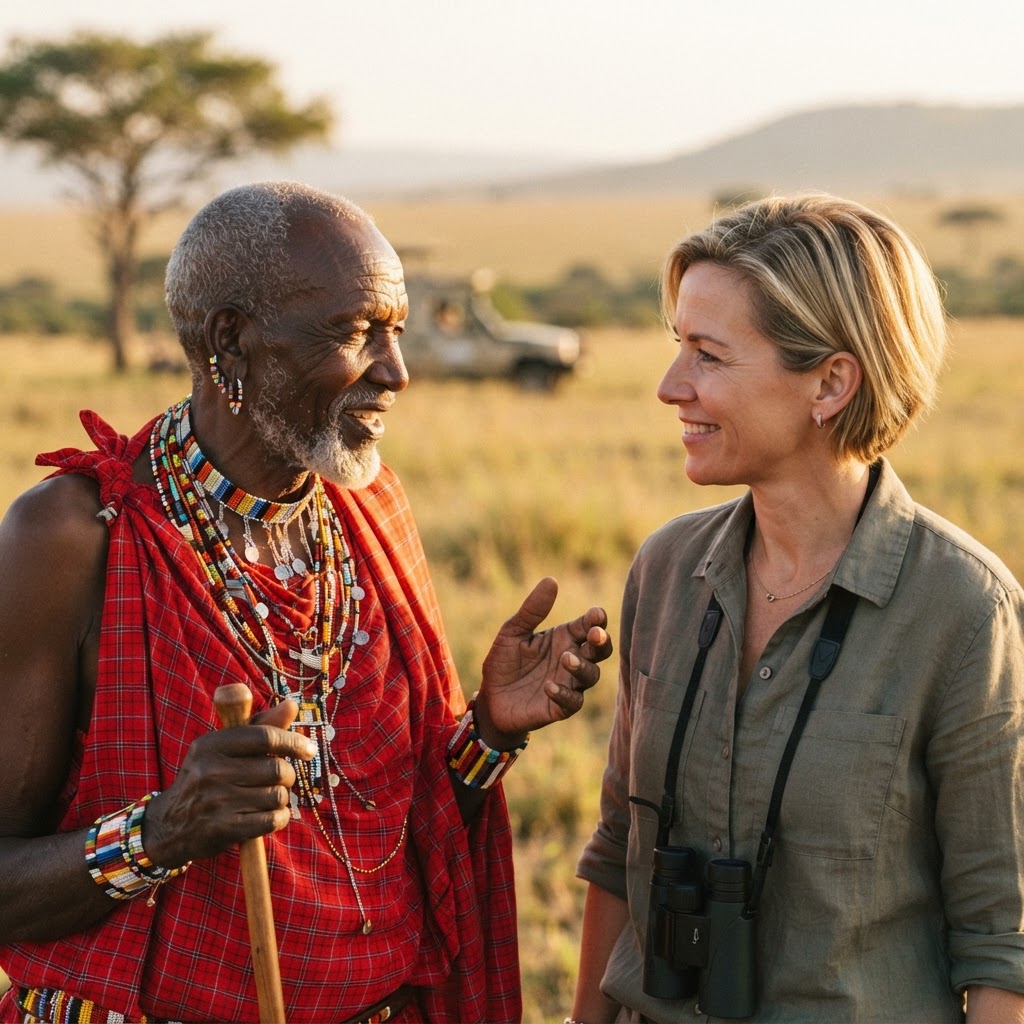
Community Cultural Immersion: Sit with Maasai and Samburu elders to learn the secrets of ancestral land management and cultural resilience.
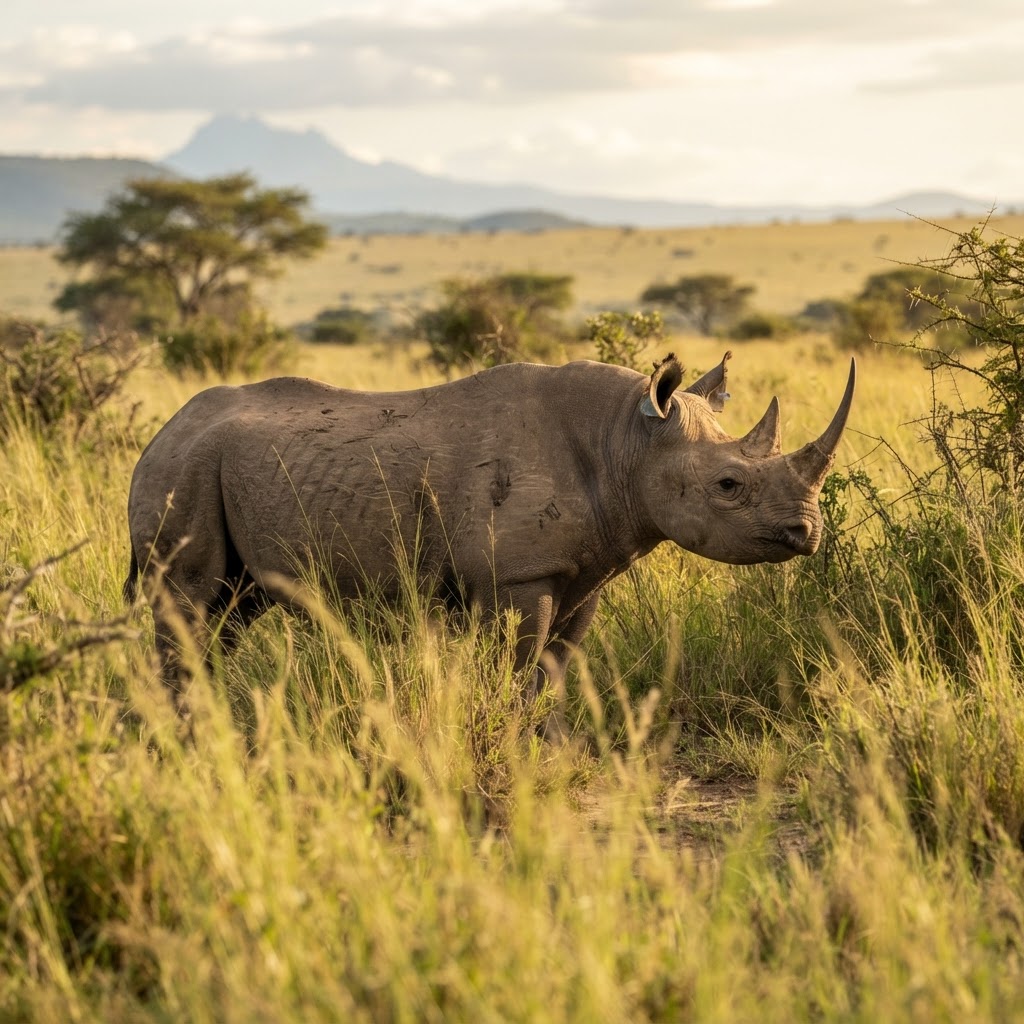
Rhino Conservation Tours: Visit the Ol Pejeta Conservancy to witness how cutting-edge drone technology and science are pulling species back from the brink of extinction.
Noctourism: Embark on guided night drives to discover the savannah’s elusive nocturnal predators and rarely seen creatures that emerge after dark.
Guided Walking Safaris: Step out of the vehicle and feel the earth beneath your feet; this is the most tactile and intimate way to connect with the ecosystem.
Where to Stay: Lodging with a Purpose
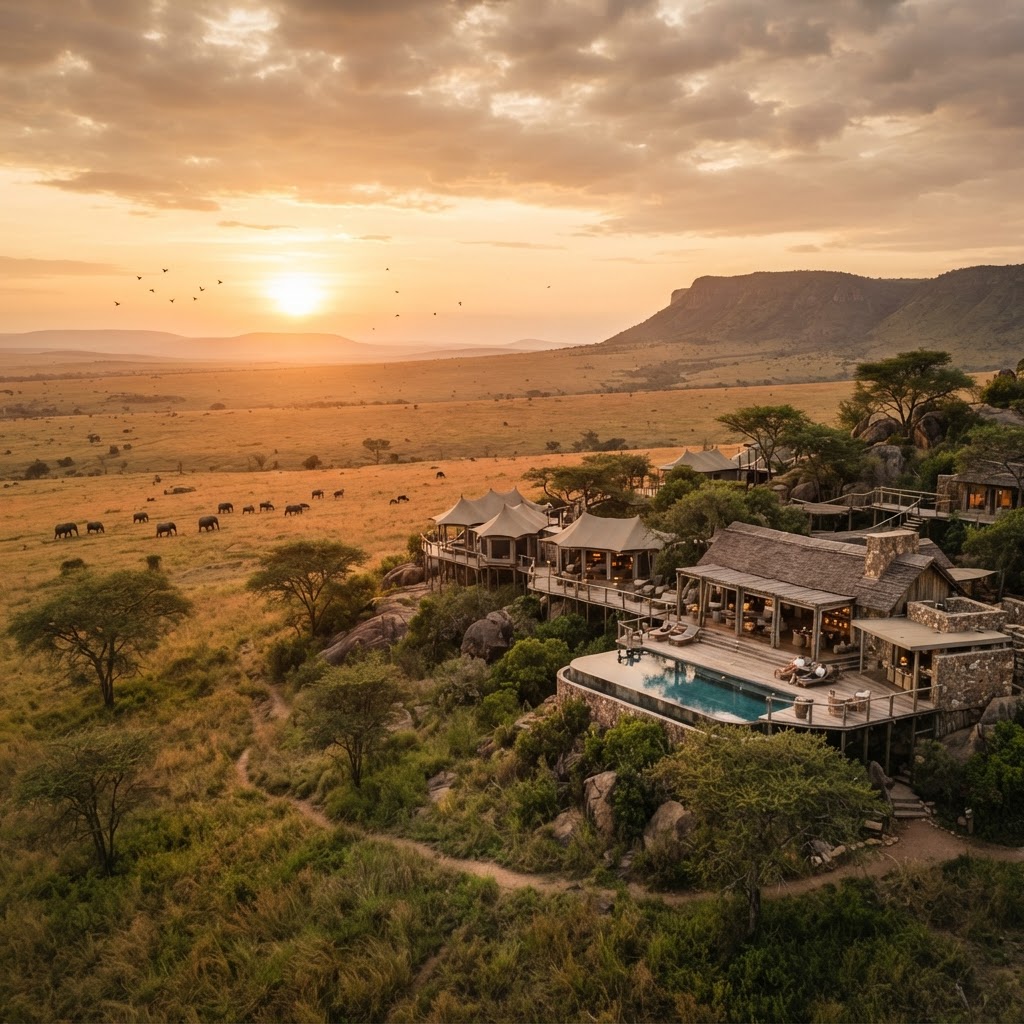
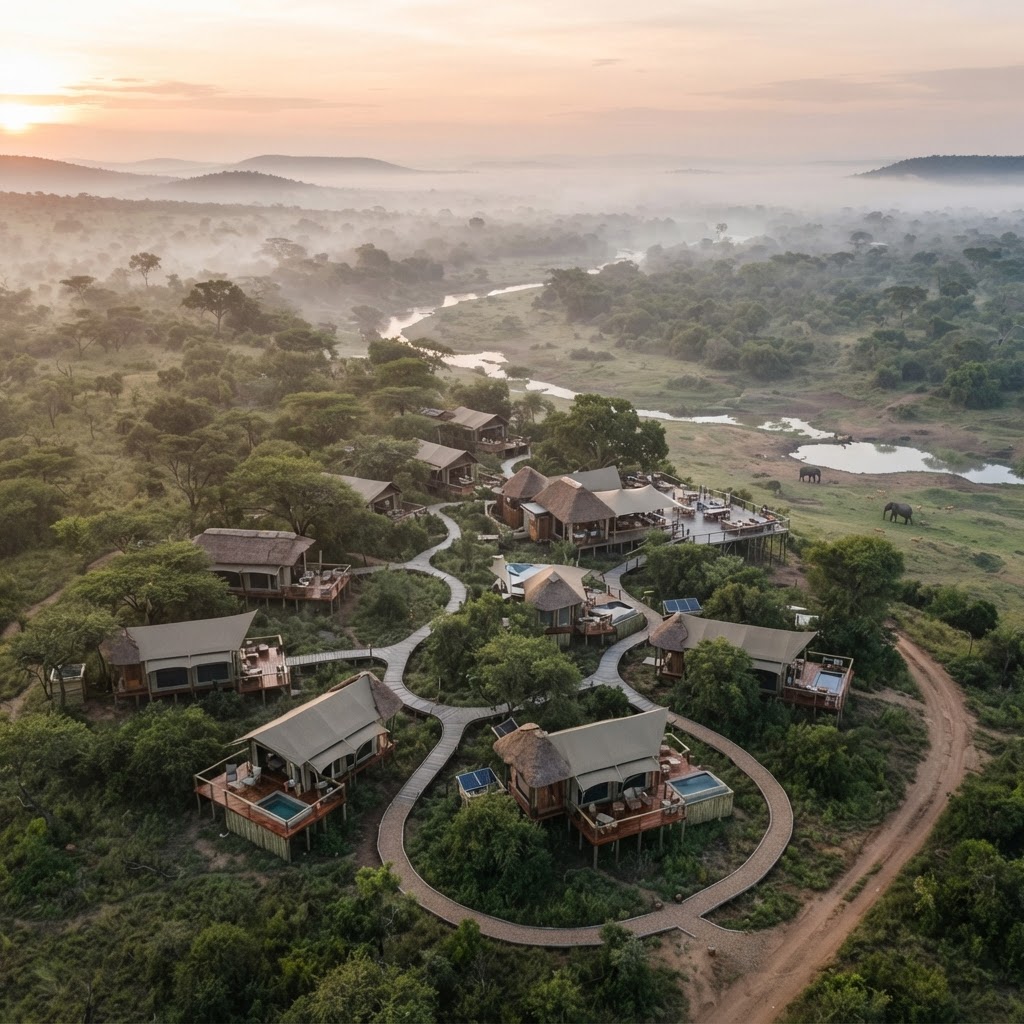
Your choice of accommodation is the single most powerful tool you have to influence conservation outcomes. Find Your Stay by selecting lodges that prioritize community partnership agreements and carbon-neutral policies.
Recommended Conservation-Focused Lodges
Mara Naboisho: These premier high-end lodges offer restricted vehicle access, ensuring your safari remains exclusive and quiet.
Ol Pejeta Bush Camp: A perfect blend of mid-to-luxury comfort with a heavy emphasis on supporting active conservation research.
Sera Conservancy: Ideal for the adventurous spirit, these remote fly-camp experiences offer an unmatched connection to the wild.
Essential Local Knowledge and Etiquette
Understanding the cultural nuances and practical logistics of Kenya ensures your trip is seamless, respectful, and safe.
Culinary and Cultural Tips
Cuisine: Sample the local flavors, including Nyama Choma (grilled meat) and Ugali (maize porridge).
Respect: Always ask permission before taking photos of local people, especially in remote villages.
Modesty: Dress conservatively when visiting community centers, ensuring shoulders and knees are covered.
Tipping: A standard tip for your safari guide is roughly $15–$25 per day, depending on the level of service provided.
Health and Safety Protocols
Safety: Kenya is safe for those who follow standard travel precautions. Never exit your vehicle in the bush unless specifically instructed by your guide.
Emergency: Keep the national emergency number, 999, saved in your phone.
Medical: Consult your local clinic regarding malaria prophylactics well before departure and ensure your yellow fever vaccination status is up to date.
Navigating Logistics
Effective planning makes all the difference in a smooth Kenyan adventure. Check Visa Requirements early, as electronic authorization processes are strictly enforced.
Currency: Carry the Kenyan Shilling (KES) for village markets, though credit cards are widely accepted at established lodges.
Packing: Opt for neutral-colored clothing; avoid bright blue or dark colors as they tend to attract tsetse flies.
Transport: Fly-in safaris are the gold standard for reducing your carbon footprint while maximizing your time in the heart of the bush.
Final Thoughts
Your safari in Kenya is more than just a vacation; it is a vital contribution to the future of our planet’s wild spaces. By choosing operators that champion community-led initiatives, you are helping to build a sustainable legacy that benefits both the people and the wildlife of East Africa.
Ready to step into the savannah? Explore Things to Do and start crafting a journey that reflects your values and curiosity for the natural world.
Frequently Asked Questions
Find the Perfect Stay
Explore hotels, resorts, apartments, and unique stays curated for your destination.
Kenya is the world's premier destination for sustainable and community-led wildlife experiences, blending high-end luxury with critical conservation efforts.