Tsukiji Outer Market Food Tour: The Ultimate Tokyo Culinary Guide
AdvaTrav Travel TeamJuly 18, 20266 min read
✨ Key Takeaways
1Visit between 8:00 AM and 10:00 AM to avoid crowds.
2Carry Japanese Yen in small denominations for cash-only stalls.
3Follow local etiquette: no walking while eating.
4Wear comfortable, closed-toe walking shoes.
In a nutshell
Discover the vibrant Tsukiji Outer Market with our expert food tour guide. Learn where to find the best sushi, street food, and essential Japanese etiquette.
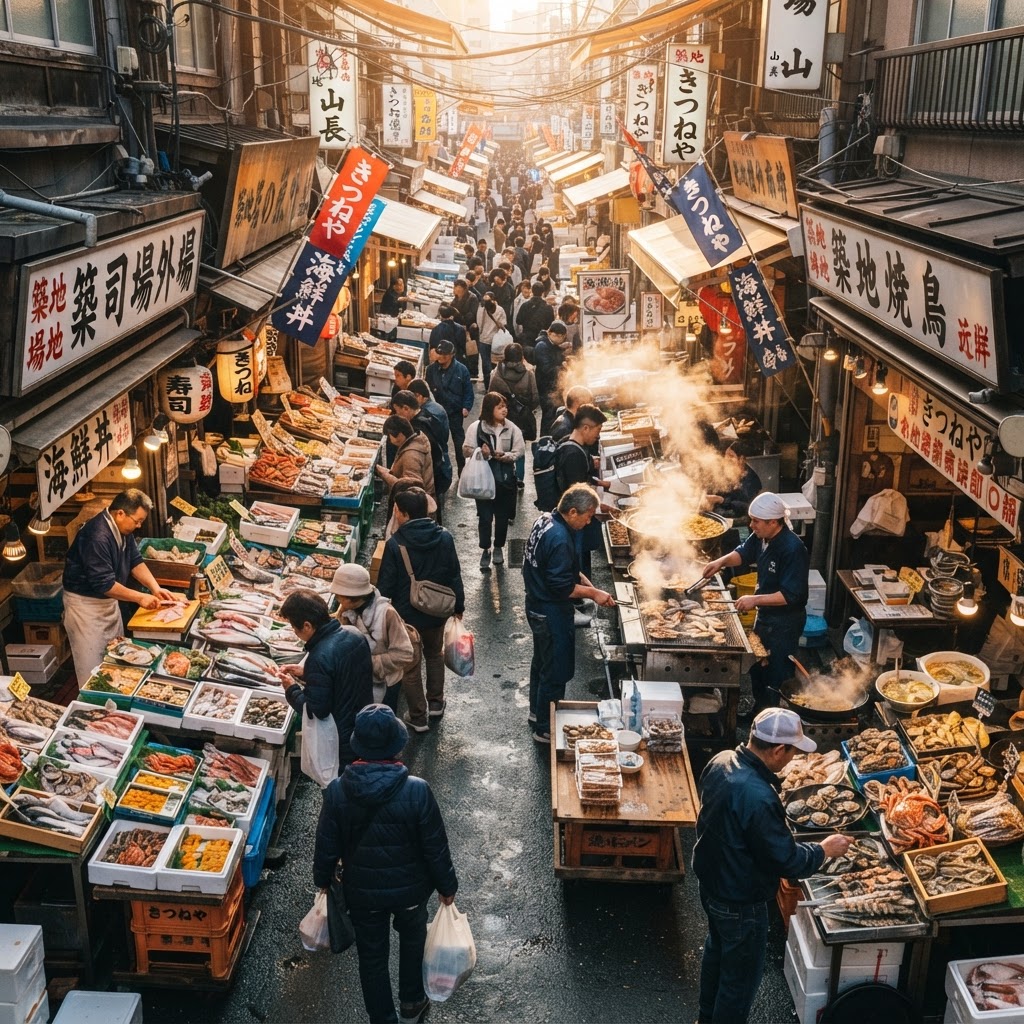
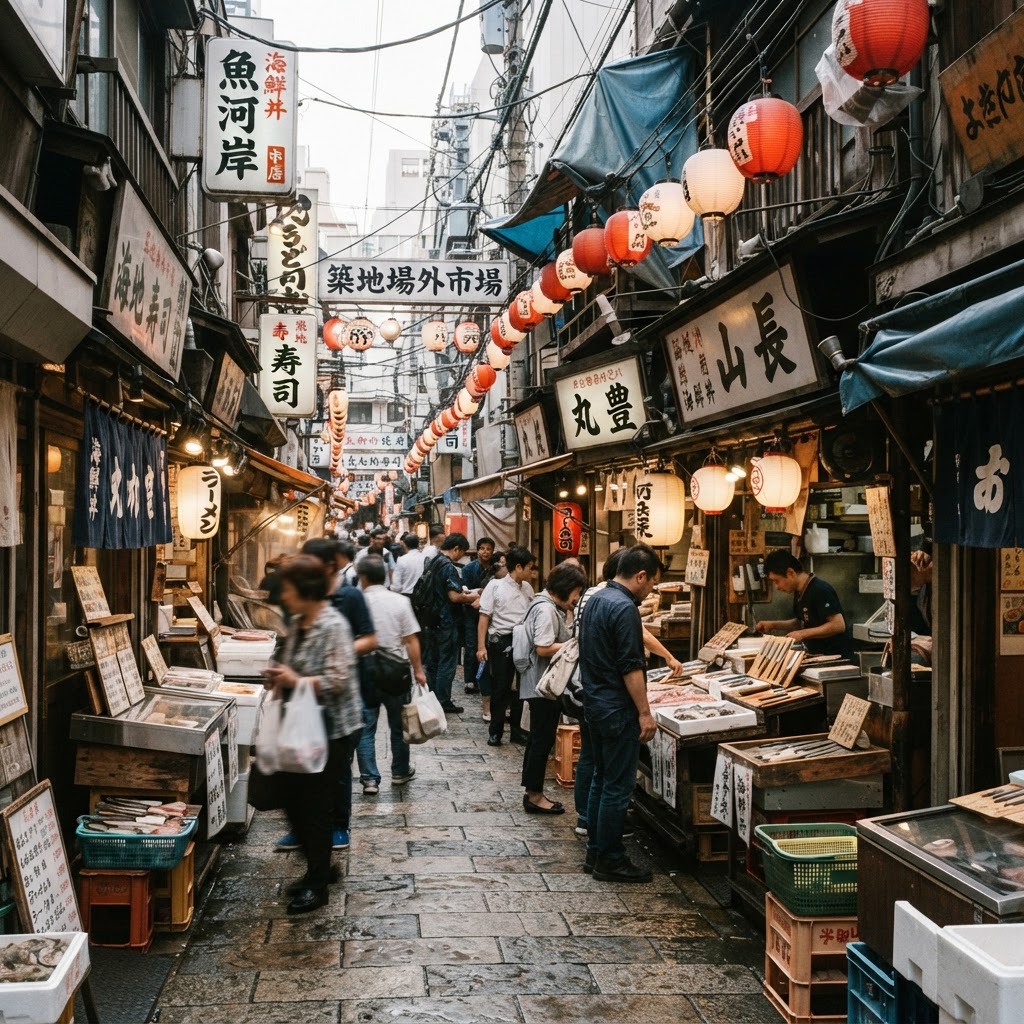
The scent of grilled unagi drifts through the narrow alleys, mixing with the sharp, clean brine of freshly shucked oysters. You step onto the pavement of the Tsukiji Outer Market, where the chaotic, rhythmic energy of Tokyo’s most iconic culinary district instantly wraps around you. For decades, this has been the soul of Japanese gastronomy.
Whether you are a first-time visitor or a seasoned traveler, navigating this labyrinth of stalls and shops is an essential rite of passage. It is a place where culinary history meets modern hunger, offering an authentic slice of Tokyo life that defies expectations.
At a Glance
Visit between 8:00 AM and 10:00 AM to avoid crowds.
Carry Japanese Yen in small denominations for cash-only stalls.
Follow local etiquette: no walking while eating.
Wear comfortable, closed-toe walking shoes.
Why Tsukiji Outer Market Should Be on Your Radar
While the wholesale fish auction moved to Toyosu, the Tsukiji Outer Market remains the beating heart of Tokyo food culture. It is not just a tourist trap; it is a working district where local chefs source their daily ingredients, meaning you are sampling the same high-quality produce used in Tokyo's Michelin-starred kitchens.
Experience high-quality produce and artisanal ingredients.
Observe the expertise of third-generation spice merchants and master sushi chefs.
Witness a unique synergy of tradition and innovation that cannot be found elsewhere.
Best Time to Visit: Seasonal Insights
To truly appreciate the market, you must understand the rhythm of its seasons. The market is a living, breathing entity that changes with the calendar, offering distinct flavors depending on when you arrive.
Spring: Look for Sakura-themed sweets and delicate cherry blossom treats.
Summer: Beat the humidity with refreshing shaved ice (kakigori) infused with seasonal fruits.
Autumn: Savor the peak season for grilled sanma (Pacific saury).
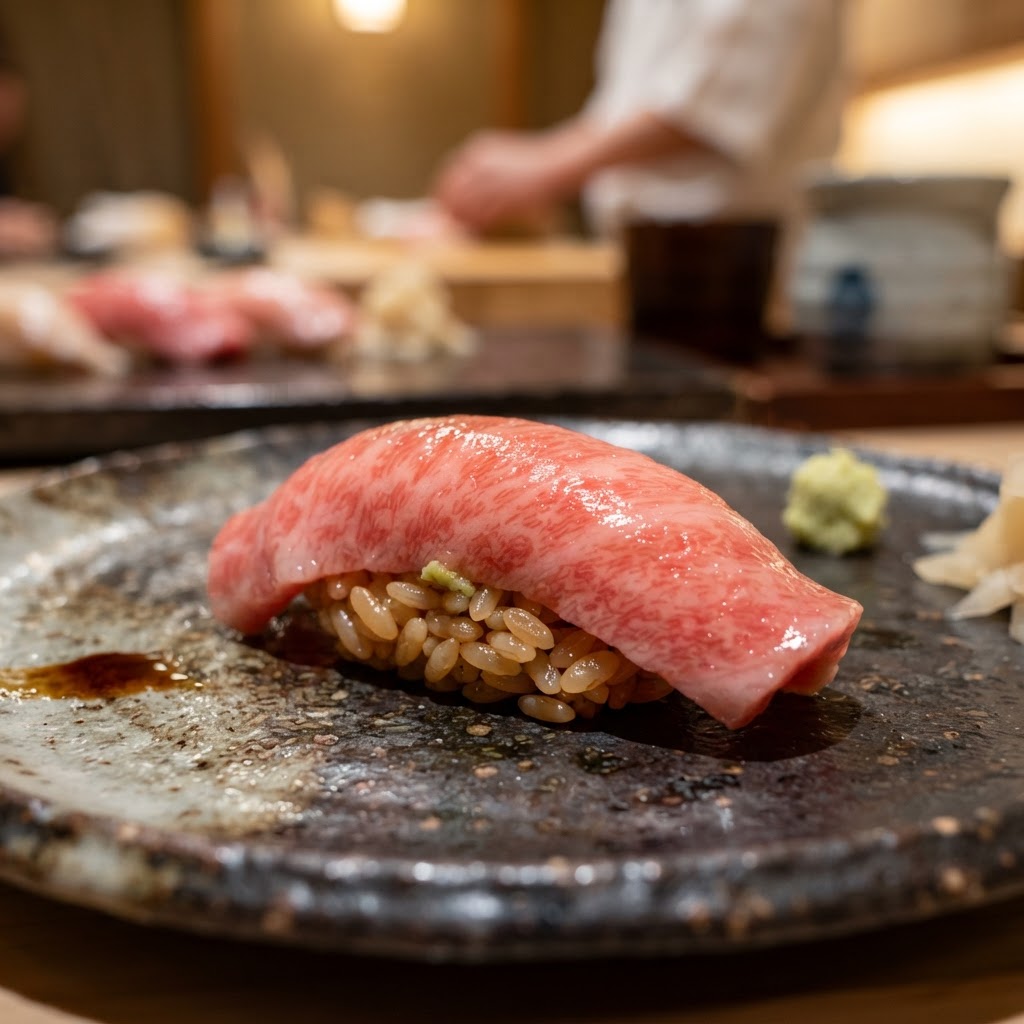
Winter: Indulge in the richest fatty tuna (otoro) and warm, comforting oden.
Strategic Arrival Tips
Arrive by 8:00 AM to secure the freshest catch before the mid-day rush.
Avoid the peak window between 11:00 AM and 1:00 PM when the aisles become overwhelmingly dense.
Plan your departure around 2:00 PM, as most shops begin closing their shutters.
Top Things to Do in Tsukiji
Navigating the market requires a mix of curiosity and an empty stomach. From raw delicacies to masterfully crafted tools, there is something for every food lover to discover.
Sushi Breakfast: Visit a small, counter-style stall for an 'Omakase' sashimi bowl experience.
Tamagoyaki Tasting: Try the sweet, layered egg omelet, famously served on a stick.
Grilled Seafood Bites: Sample Hokkaido scallops, uni, and jumbo prawns flame-grilled on the spot.
Knife Shopping: Browse specialized Japanese cutlery stores to find professional-grade tools.
Tea and Matcha: Stop by a traditional merchant to sip on high-grade Sencha or ceremonial Matcha.
Planning your trip?
Compare accommodation, flights, insurance, and experiences before booking.
Sushi Breakfasts: Expect to pay between 3,000 JPY and 6,000 JPY for a premium set featuring melt-in-your-mouth chutoro or otoro.
Tamagoyaki Perfection: Seek out shops with long lines; the dashi-infused omelets are a staple of the market's street food scene.
The Art of Grilled Scallops: Watch vendors use charcoal grills to enhance the sweetness of the shellfish, finished with a splash of soy sauce and butter.
Where to Stay and Planning Your Visit
Choosing the right accommodation is vital for a seamless Tsukiji experience. Staying nearby allows you to beat the morning trains and arrive at the market while the energy is still fresh.
Luxury: High-end hotels in the nearby Ginza district offering easy walking access.
Mid-Range: Business hotels near Tsukijishijo or Higashi-Ginza stations for convenience and comfort.
Budget: Capsule hotels for solo travelers seeking efficiency and affordability.
Find Your Stay to compare current prices and availability for your travel dates.
Local Food Culture and Etiquette
Japanese food culture is deeply rooted in Mottainai—the avoidance of waste—and a profound respect for the seasons. Engaging with vendors is part of the experience, and a little politeness goes a long way.
Gratitude: Use a polite nod or say 'Itadakimasu' to show appreciation.
Tipping: Tipping is not practiced in Japan and may be considered confusing or rude.
Trash Management: Always carry a small bag for your trash, as public bins are rare.
Dress Code: Maintain a respectful appearance and avoid blocking narrow pathways while taking photos.
Safety and Sustainability
As of 2026, Tokyo remains one of the safest cities globally, but awareness is key. Treat the market with the same respect you would a temple or a local workplace.
Navigation: Be cautious of uneven, wet surfaces near fish stalls to prevent accidental slips.
Health: Carry a 'translation card' stating any seafood allergies in Japanese.
Emergency: Dial 119 for ambulance services in the event of a medical emergency.
Sustainability: Bring your own reusable chopsticks and support multi-generational, locally-owned businesses.
Practical Travel Information
Getting here is simple via public transit, and being prepared ensures your day flows smoothly. Check Visa Requirements to ensure your travel documents are in order before arrival.
Transit: Use the Hibiya Line to Tsukiji Station or the Oedo Line to Tsukijishijo Station.
Payment: Carry a Suica or Pasmo IC card for easy, contactless transit payments.
Connectivity: Consider carrying a pocket Wi-Fi device to navigate the market's narrow, maze-like grid.
Explore Further:Browse Car Rentals if you plan to explore the coastal regions of Chiba after your market tour.
Final Thoughts
A visit to the Tsukiji Outer Market is an immersion into the legacy of Japanese culinary excellence. By planning your trip with respect for local customs and a spirit of adventure, you will turn a simple meal into a lifelong memory.
Take time to speak with vendors about their craft.
Embrace the seasonal menu changes to taste the best of what Japan has to offer.