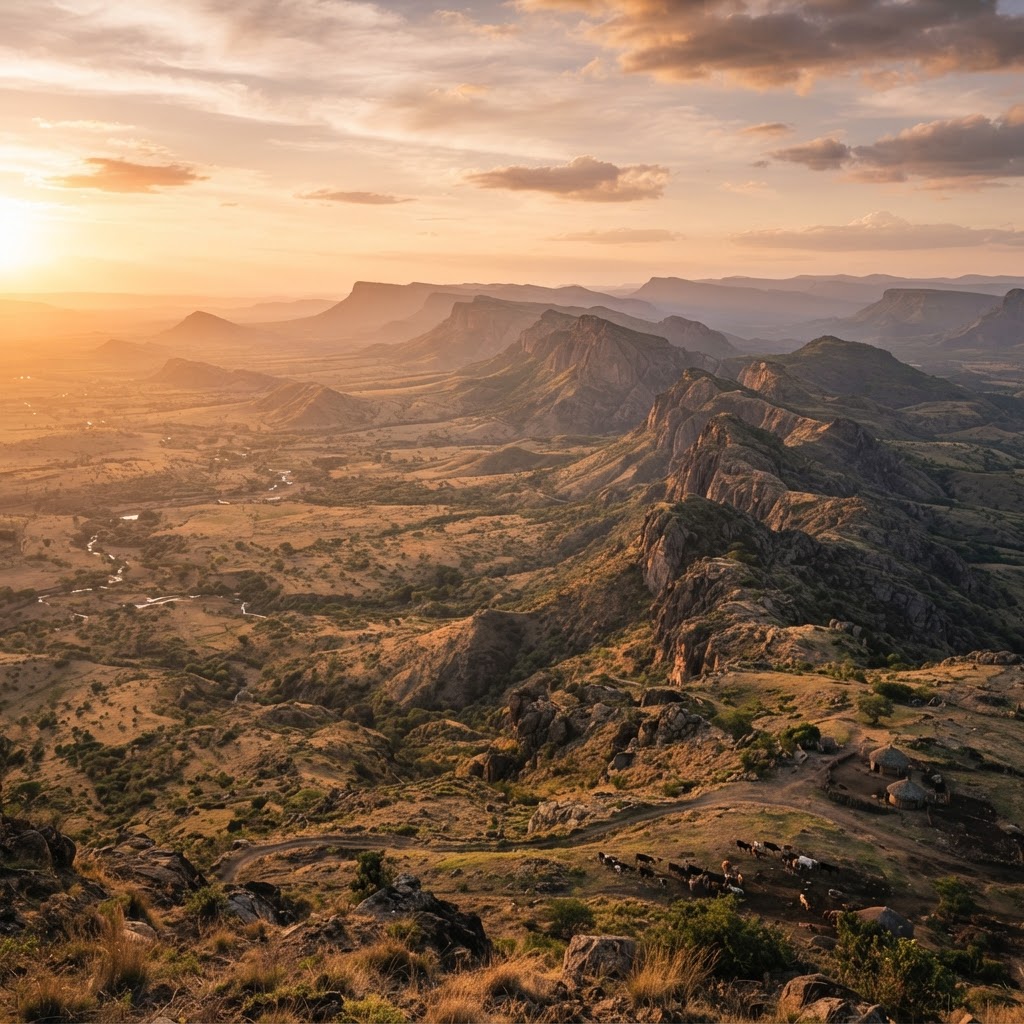
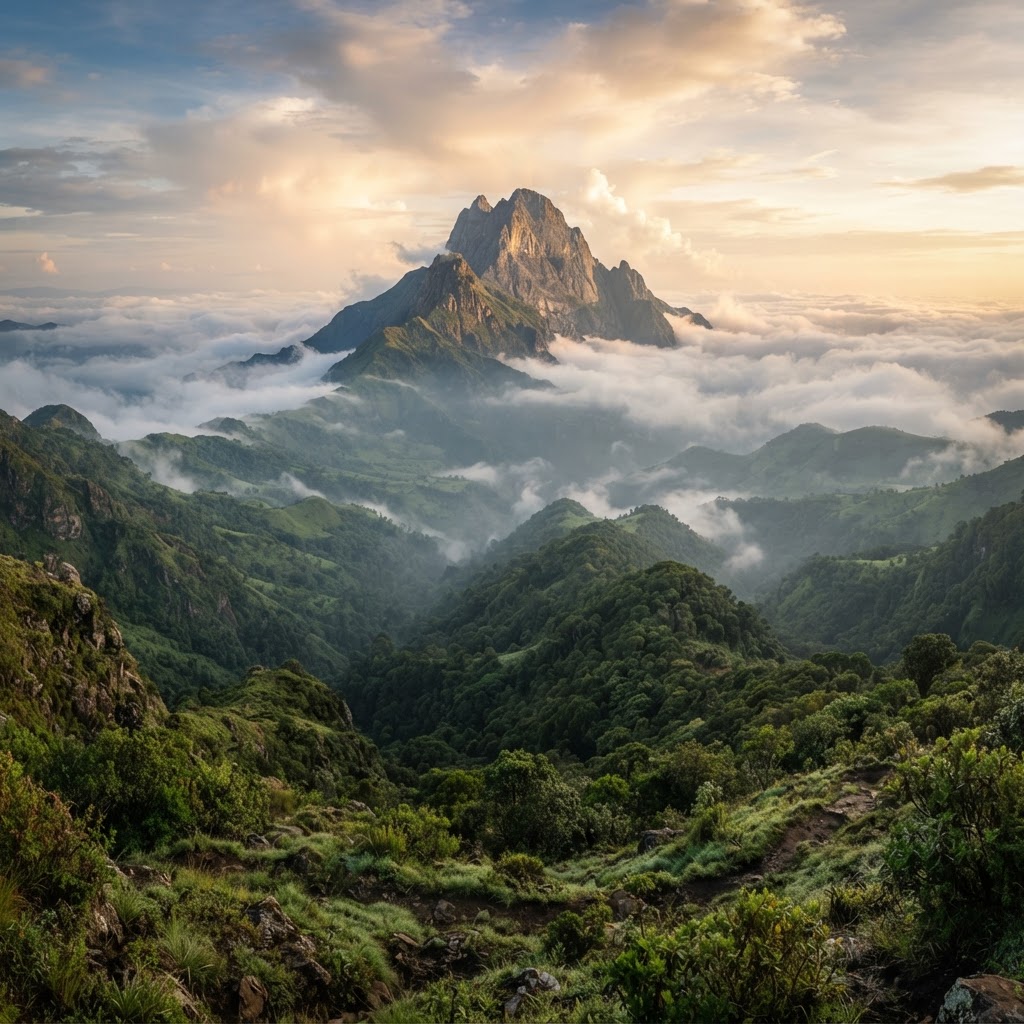
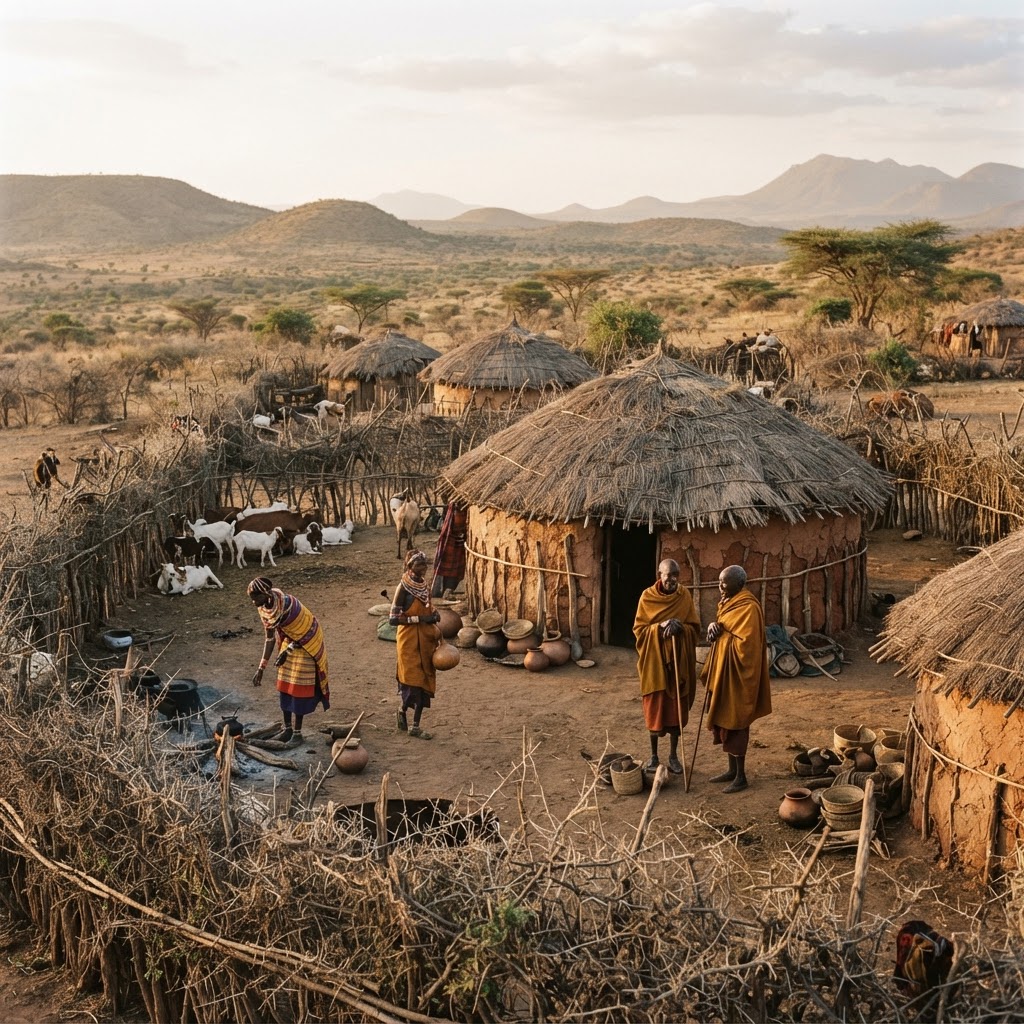
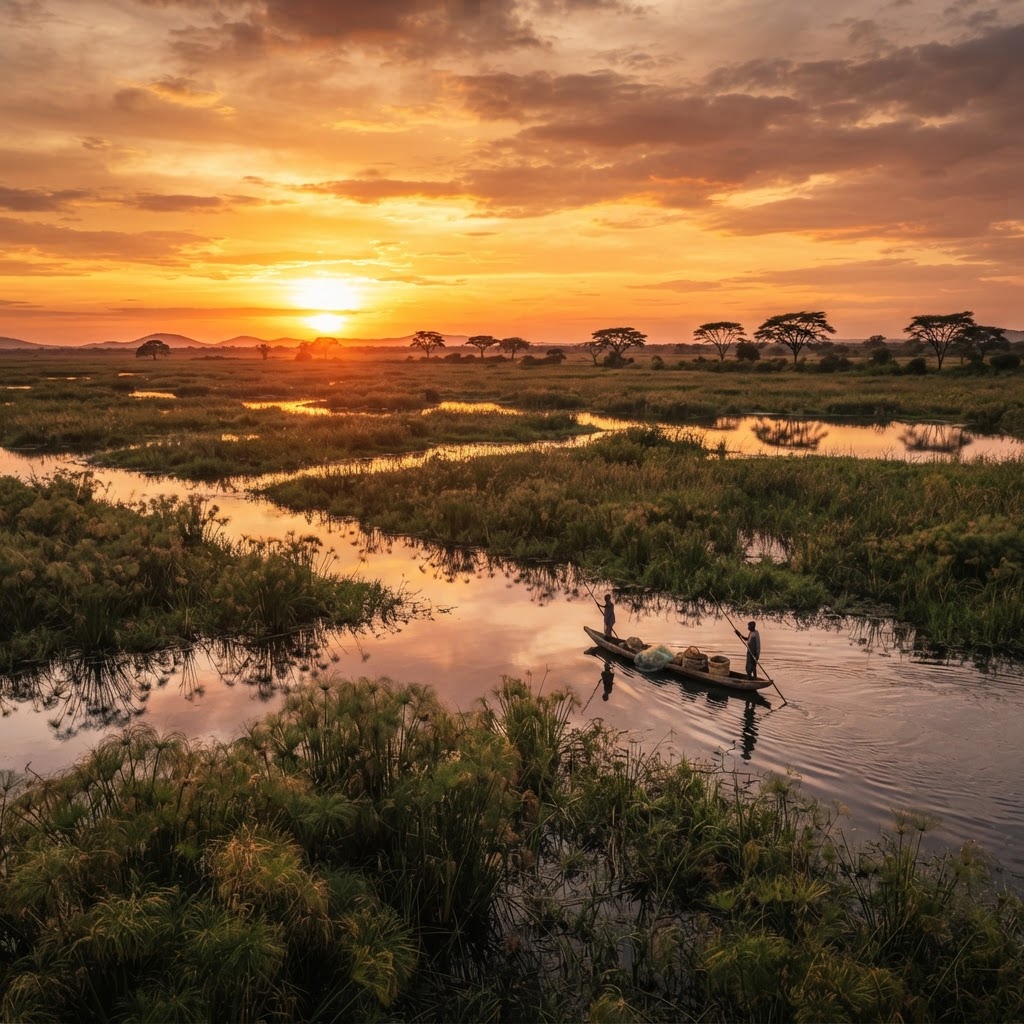
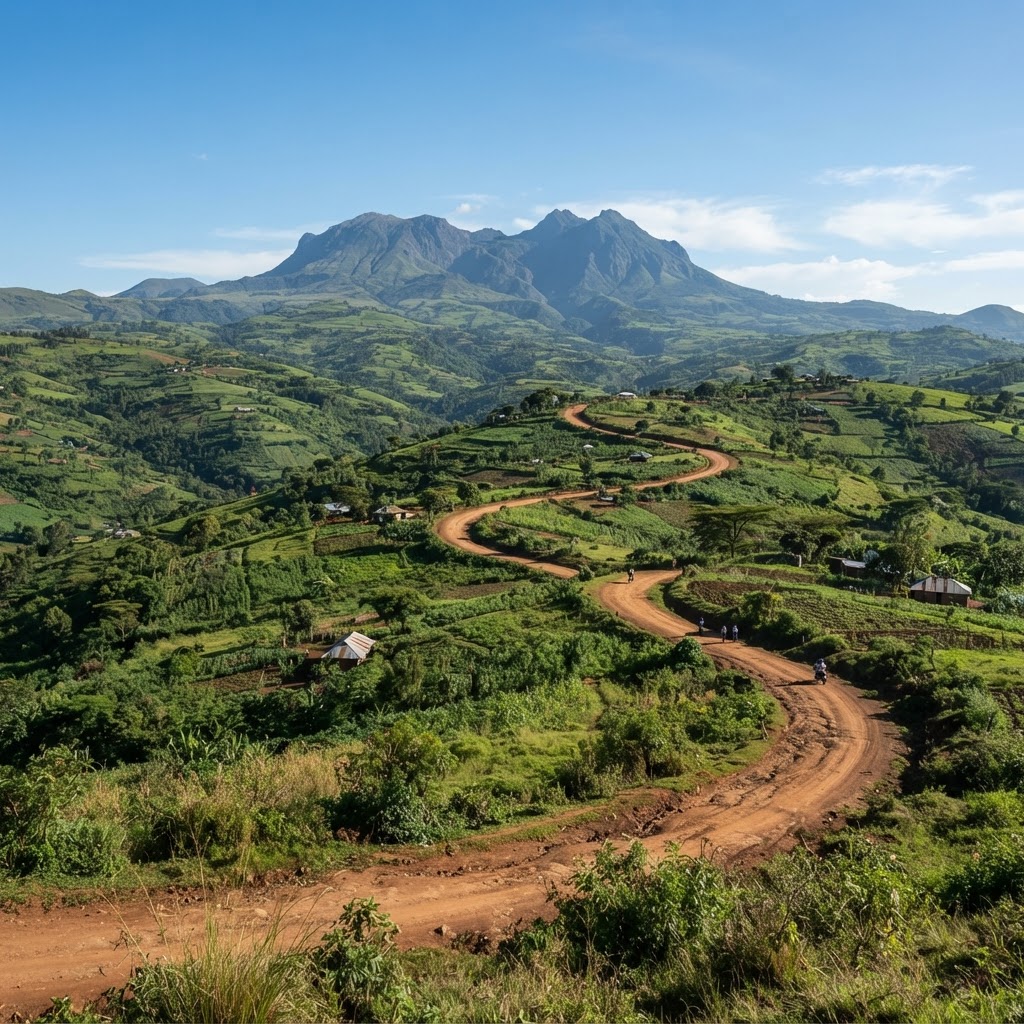
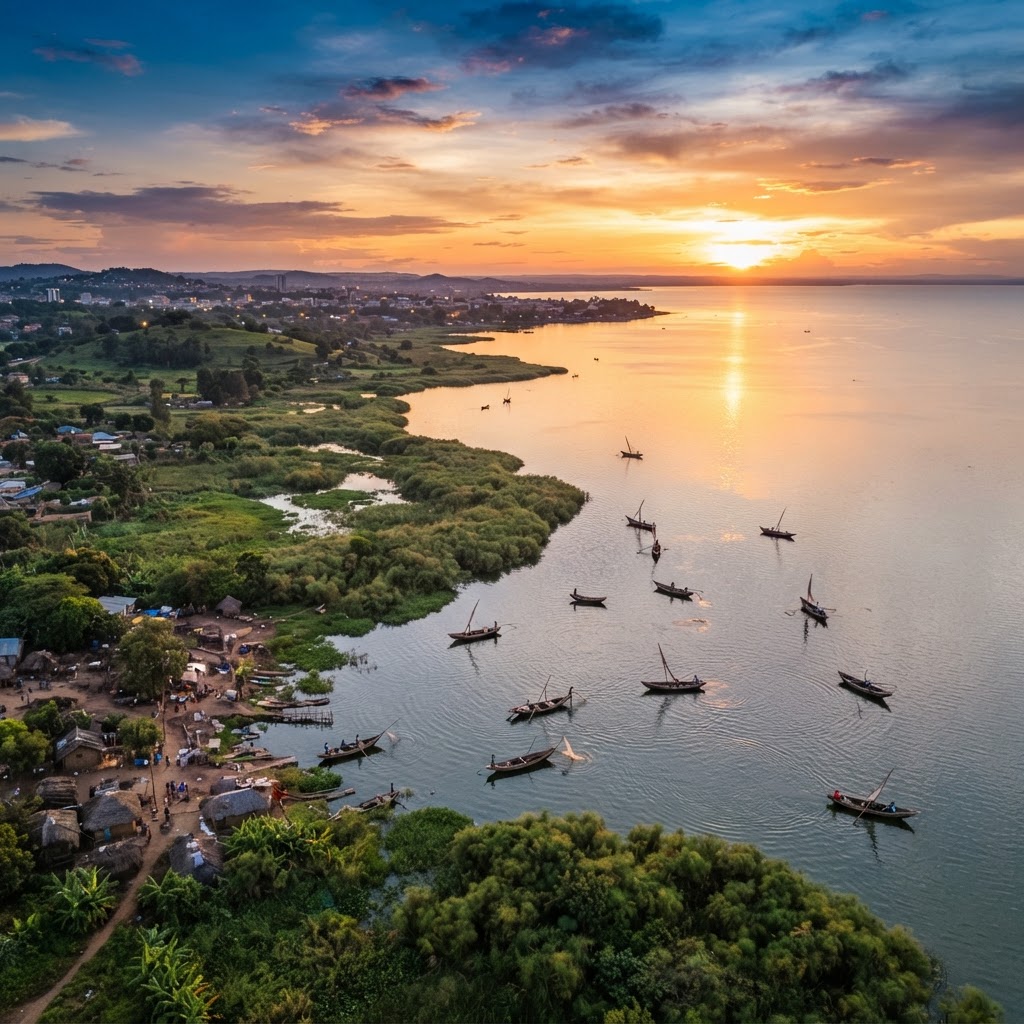
Imagine a place where the horizon stretches into a jagged, mist-draped tapestry of high-altitude forests and sun-baked plains. Welcome to West Pokot County, Kenya's best-kept secret for the intrepid wanderer. Far from the crowded safari circuits of the south, this northern frontier offers a raw, unfiltered connection to nature and heritage that is rapidly becoming the gold standard for regenerative, slow travel in 2026.
At a Glance: West Pokot County
Best for: Off-the-beaten-path adventure seekers and deep cultural immersion.
Top Highlights: Hiking the sacred Mount Mtelo, exploring the rugged Nasolot reserve, and discovering history in Kapenguria.
Travel Season: December to February offers the clearest trekking weather.
Local Base: Kapenguria is your primary hub for regional exploration and services.
Unveiling the Land of Hidden Treasures
West Pokot is known as the 'Land of Hidden Treasures.' Tucked away in Kenya’s northwestern Rift Valley, it is a destination that defies conventional tourism expectations. If you are craving a journey far removed from the mass tourism of the coast, this is your ultimate frontier.
As of 2026, West Pokot has emerged as a premier destination for those seeking meaningful, slow travel. You will find raw, authentic experiences where the landscape shifts dramatically from semi-arid plains to mist-shrouded highlands. Thanks to recent upgrades to the A1 Highway leading toward the region, the journey from Kitale—a roughly 3-hour drive—is now more accessible for those hiring a private 4x4.
When the Rains Shape the Rift Valley Landscape
West Pokot features diverse microclimates due to its dramatic altitude changes. Understanding the rainfall patterns is the key to ensuring an enjoyable and safe trip across the rugged terrain.
December to February: Expect clear, crisp skies that are perfect for high-altitude trekking and landscape photography.
March to June: Nature is incredibly vibrant and green, but remote dirt roads can become treacherous; always verify road status before departing Makutano.
July to September: A pleasant, dry season where wildlife congregates at water sources in the reserves, making it ideal for unique safari viewing.
October to November: Keep waterproof gear handy if you choose to travel during these transitional months.
Conquering the Peaks and Plains
Scaling Mount Mtelo: At 3,330 meters, this is the fifth-highest peak in Kenya. Always hire a local guide from the nearby community center to navigate the trails safely and learn the local legends.
Wildlife Safari in Nasolot: Nasolot remains an untamed wilderness where you might spot elephants and kudu. Entry fees are typically settled at the reserve gate in local currency.
Historical Reflection at Kapenguria Museum: This site holds the cells of the 'Kapenguria Six,' marking a pivotal moment in Kenya's struggle for independence.
Engineering Marvels at Turkwel Dam: Nestled within a dramatic, steep-sided gorge, this dam provides hydroelectric power and stunning photography vistas.
Trekking the Cherangani Hills: Immerse yourself in cool, forested trails that provide ultimate solitude and world-class bird-watching opportunities.
Scaling the Sacred Mount Mtelo
Mount Mtelo is more than a hike; it is a pilgrimage for those who love high-altitude endurance. The ascent can be physically demanding, so ensure you are acclimatized.
The Historical Depth of Kapenguria
Kapenguria is the heartbeat of local political history. The museum is well-maintained and offers a moving look at the struggle for Kenyan independence. Allow at least three hours to fully digest the historical significance of the site.
Planning your trip?
Compare accommodation, flights, insurance, and experiences before booking.
Nasolot remains an untamed wilderness. Unlike the busy Masai Mara, you will likely have the reserve to yourself. Keep your camera ready for herds of elephants and unique bird species indigenous to the arid northern ecosystem.
Comfortable Bases in the North
While accommodation in this remote region is often rustic, the hospitality you will receive is truly unmatched.
Mid-Range Hotels: Found primarily in Kapenguria, these offer comfortable beds and reliable hot showers for approximately 4,000–6,000 KES per night.
Budget Guesthouses: Available in Makutano, these are perfect for backpackers looking to keep expenses low.
Authentic Homestays: For a deeper connection, consider staying with local families in the highland areas to experience daily life.
Find Your Stay to browse our verified local partners and secure your base before you depart.
Traditions and Flavors of the Pokot
The Pokot people are deeply proud of their pastoralist heritage. Wealth is often measured in livestock, and the sense of community identity remains incredibly strong.
Culinary Delights: Enjoy fresh 'nyama choma' and local milk-based delicacies. In towns, 'ugali' served with 'sukuma wiki' is the hearty standard.
Etiquette: Always ask permission before photographing people or cattle. Respect local elders and maintain a humble, open-minded demeanor.
Cultural Respect: Be mindful of traditional ceremonies. Participating without a formal invitation is discouraged, though observing from a distance is often welcomed if you show appropriate respect.
Navigating Safely and Smartly
Travel to the north requires careful preparation and situational awareness. Always check the latest security advisories from your embassy.
Health Precautions: Carry a comprehensive first-aid kit. Malaria prophylaxis is recommended by local clinics, as the lower elevations can be warm.
Emergency Contacts: Keep the Kapenguria Police Station contact number saved on your phone at all times.
Driving Safety: Stick to major routes like the A1 and avoid driving after dark to minimize risks associated with rough roads and unpredictable wildlife encounters.
Browse Car Rentals to ensure you have a reliable 4x4 for these rugged roads.
Principles of Regenerative Tourism
Minimize your impact by practicing 'Leave No Trace' principles. Carry out what you carry in, as plastic waste is a major concern in these pristine, remote regions.
Water Usage: Carry a reliable water filtration bottle to reduce your reliance on single-use plastic bottles.
Supporting Local Artisans: Purchase authentic beadwork directly from the source rather than mass-market importers to ensure your money supports the local economy.
Planning Your Expedition
Getting to West Pokot is part of the adventure. Public matatus run regularly from Kitale, but hiring a private 4x4 is superior for exploring remote reserves.
Connectivity: Safaricom offers the best coverage in the region, though you should expect the signal to fade in the deep valleys.
Packing Essentials: Bring sturdy hiking boots, layers for fluctuating temperatures, and plenty of high-SPF sunscreen for the high-altitude sun.
Check Visa Requirements to ensure your entry documentation is fully compliant before your arrival.
Your Next Adventure Awaits
West Pokot is a rewarding, challenging, and profoundly beautiful region that offers a unique glimpse into the soul of Kenya. It is a place for the traveler who prefers dirt paths over paved roads and deep silence over city noise.
Ready to start your journey? Explore Things to Do and plan your perfect off-grid escape today. Your next great adventure awaits in the hidden heart of the Rift Valley.
Frequently Asked Questions
Find the Perfect Stay
Explore hotels, resorts, apartments, and unique stays curated for your destination.
West Pokot County is an untamed, high-altitude frontier in Kenya's Rift Valley, offering unparalleled trekking on Mount Mtelo and deep cultural immersion.