2026 Great Migration Guide: Your Ultimate Maasai Mara Safari Plan
AdvaTrav Travel TeamJuly 25, 20266 min read
✨ Key Takeaways
1Peak migration season is late July through early September.
2Strategic lodging near the Mara River is essential for viewing.
3Local rainfall dictates the movement patterns of the herds.
4Professional-grade photography equipment is recommended.
In a nutshell
Master the 2026 Great Migration with our expert guide. Discover best dates, top crossing spots, and logistics for your epic Kenya safari with AdvaTrav.
The peak window for river crossings in the Maasai Mara is late July through early September.
Strategic placement in the Kogatende or Mara Triangle is essential for prime wildlife viewing.
Success relies on monitoring local rainfall, which serves as the primary driver for massive herd movements.
Professional photography gear, specifically lenses of 400mm or greater, is vital for capturing distant action.
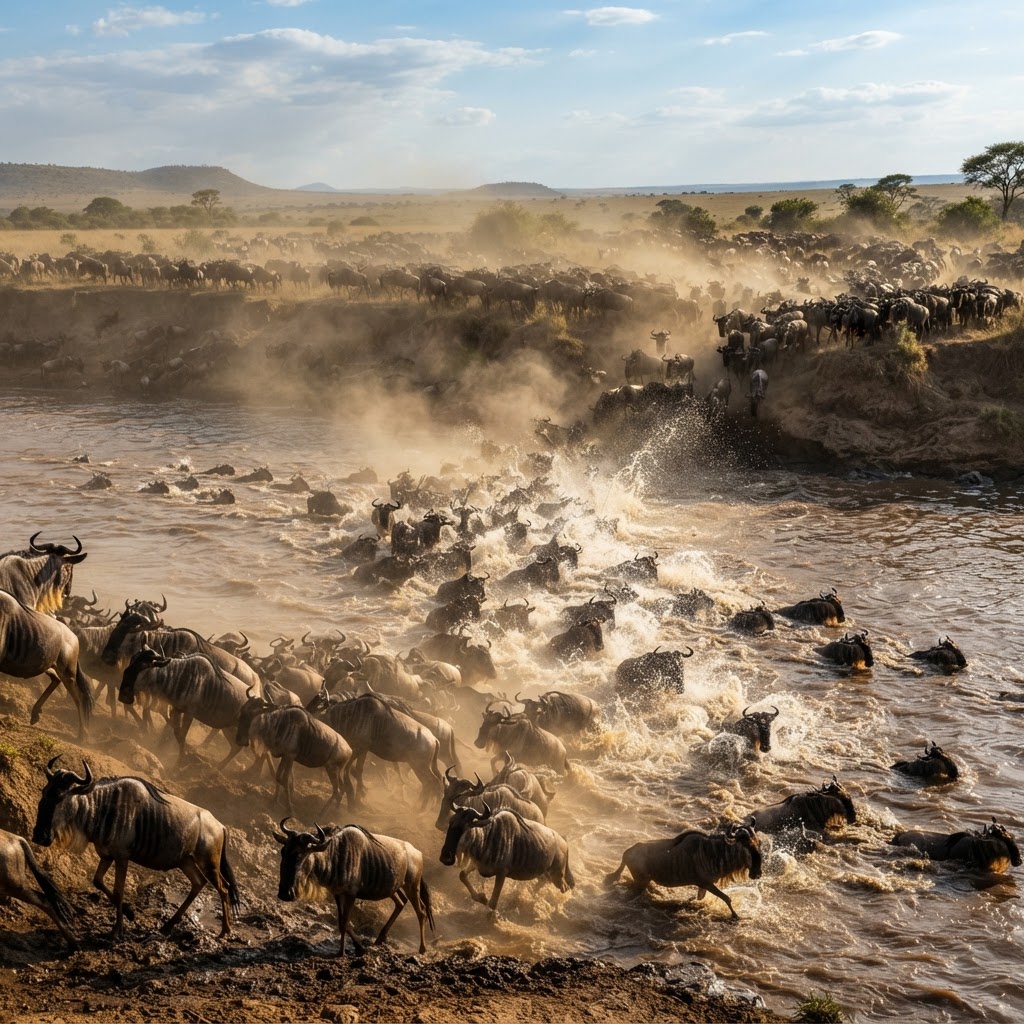
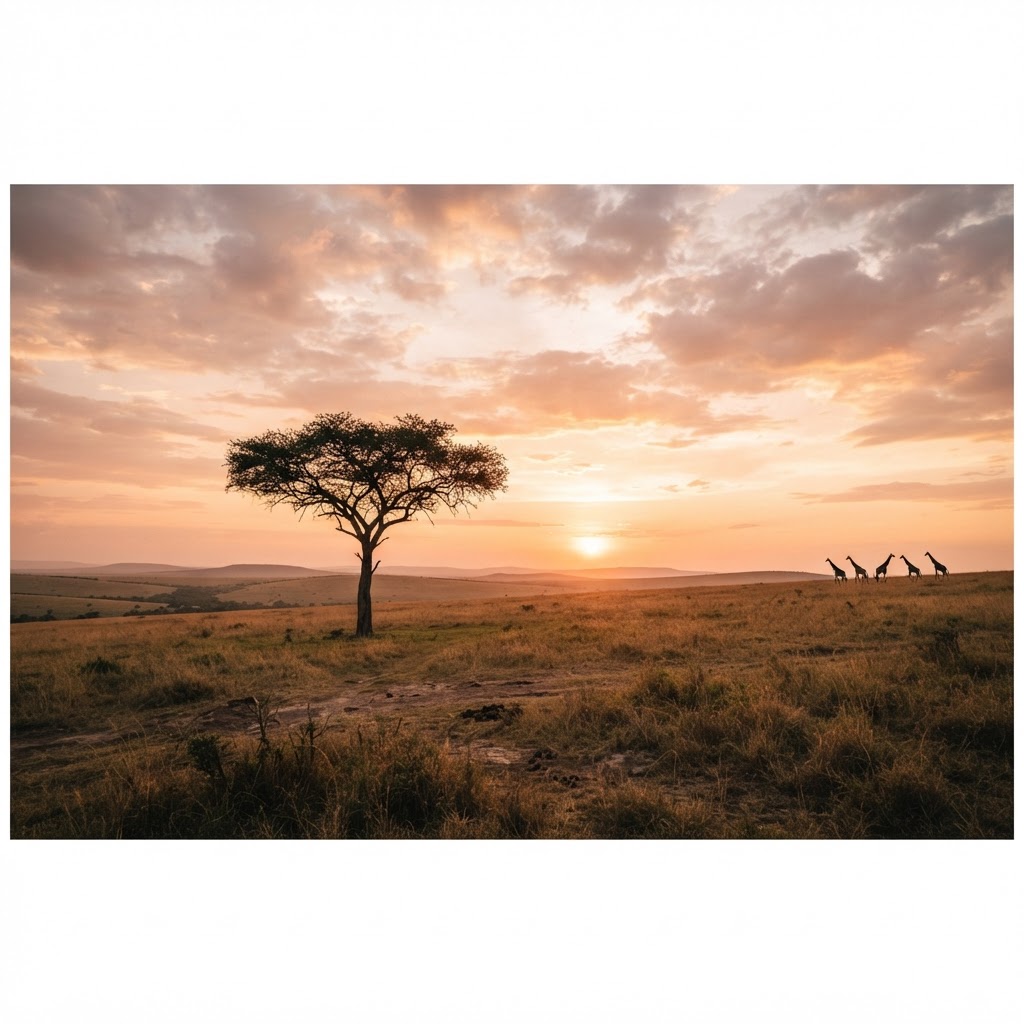
The thunder of millions of hooves against the sun-baked earth is a sound that vibrates through your very soul. As the 2026 Great Migration approaches, you stand on the cusp of witnessing the most profound wildlife spectacle on the planet.
Millions of wildebeest, zebras, and gazelles traverse the vast Serengeti-Mara ecosystem in a relentless pursuit of greener pastures. This is not merely a vacation; it is a life-changing expedition into the untamed heart of the African wild.
Why the Maasai Mara Remains the Premier Safari Destination
The Maasai Mara is globally renowned for its unparalleled concentration of big cats and the dramatic, high-stakes river crossings of the Great Migration. In 2026, the ecosystem continues to serve as a vital bastion of biodiversity, protected by dedicated conservation efforts.
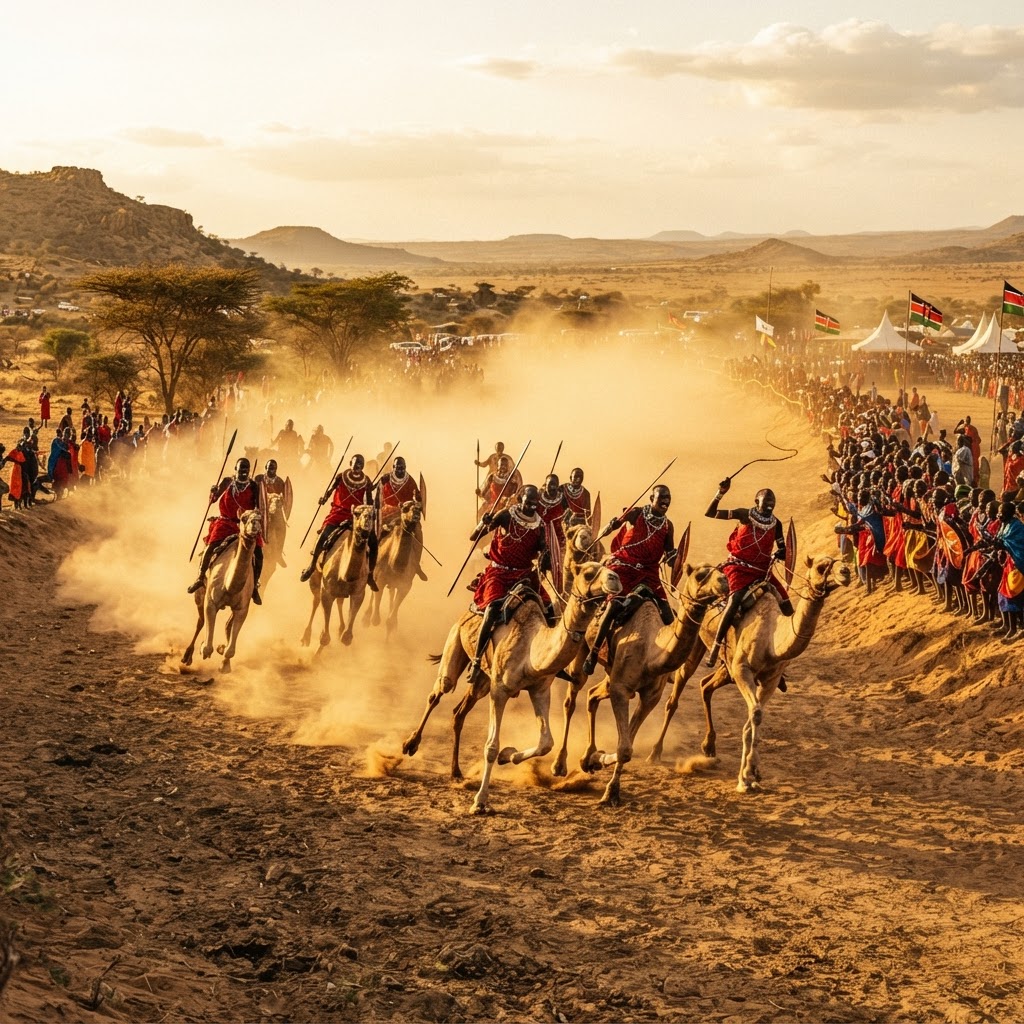
Beyond the raw intensity of the migration, visitors are invited to engage with the vibrant Maasai culture. The ancestral lands of the Maasai form the spiritual and physical bedrock of this reserve. To ensure a sustainable and premium experience, the park authorities have implemented stricter vehicle regulations to prioritize wildlife safety and habitat preservation.
Essential Considerations for Modern Safari Travelers
Booking with an authorized and reputable operator is essential for legal entry and expert navigation.
Respecting local wildlife and park regulations ensures that the Mara remains pristine for future generations.
Understanding that every safari is unique; patience and flexibility are your best tools in the field.
Best Time to Visit: Timing the Migration Cycle
While the migration is a year-round cycle, the "Big Event" arrival in the Mara typically aligns with the drying of the southern Serengeti grasslands. The following timeline provides a general roadmap for your 2026 safari planning:
Seasonal Migration Breakdown
July: The vanguard of the herds begins arriving from the southern Serengeti, and the first scattered river crossings often occur.
August: This represents the peak of migration intensity. Daily crossings are a common sight in the Mara Triangle, offering the most dramatic photography opportunities.
September: The tail end of the primary crossing season, often providing a more tranquil environment for those who prefer to avoid peak crowds.
Factors Influencing Herd Movement
Rainfall is the primary, unpredictable driver of the migration cycle.
A delayed rainy season in the southern Serengeti can cause the entire herd arrival to shift by two to three weeks.
Always consult with your expert safari guide who monitors real-time environmental data.
Top Things to Do in the Maasai Mara
Planning your trip?
Compare accommodation, flights, insurance, and experiences before booking.
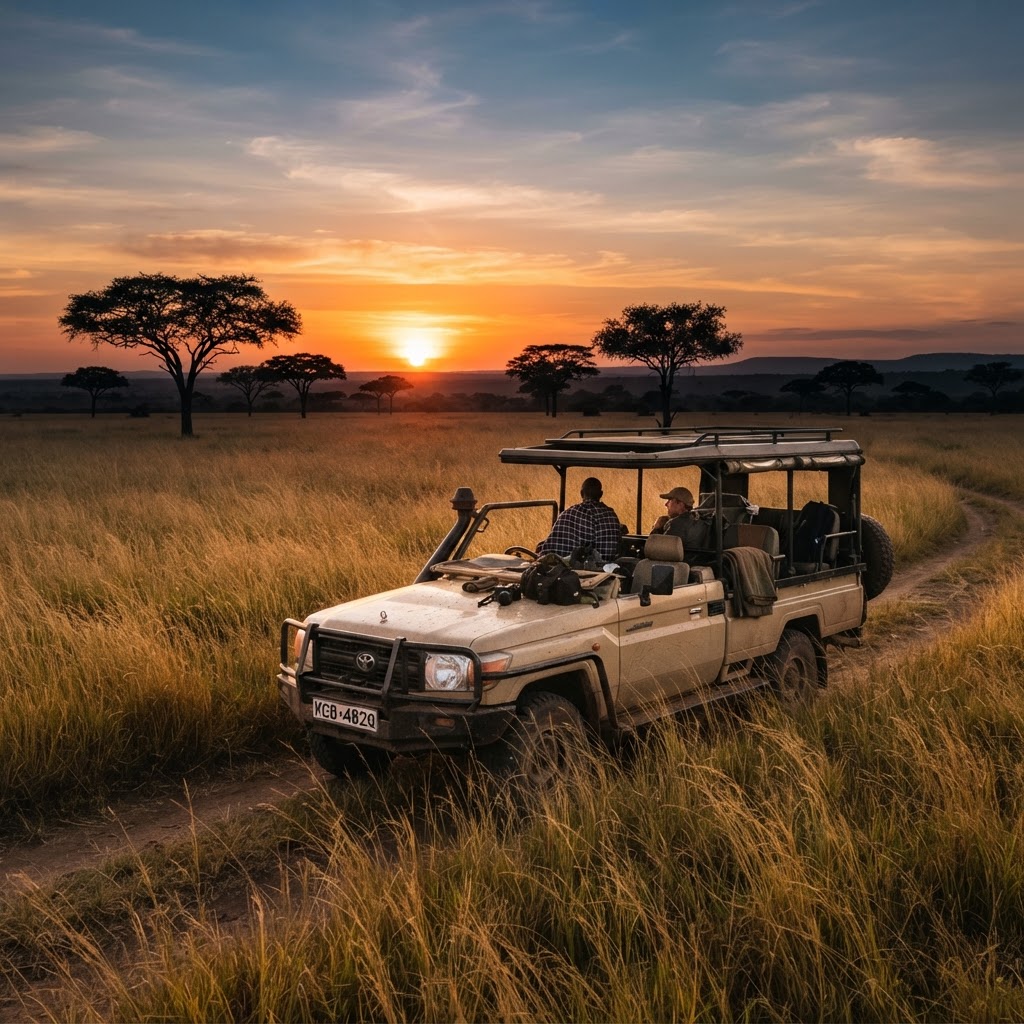
Positioning your vehicle at the crossing points well before dawn is the gold standard for wildlife photographers. These crossings are inherently unpredictable, requiring immense patience and a guide who understands animal behavior.
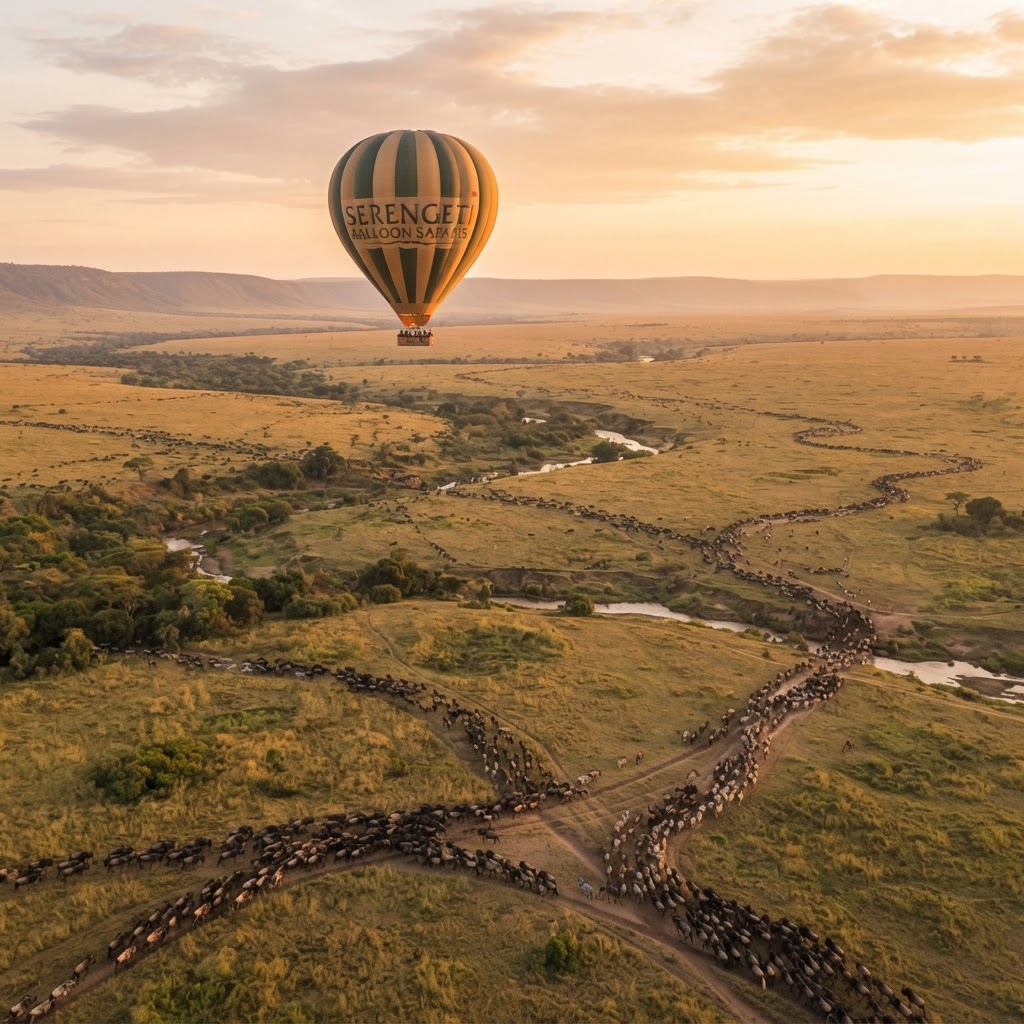
2. Experience a Hot Air Balloon Safari
Ascending at dawn provides a majestic bird's-eye view of the vast herds, offering a perspective impossible to gain from the ground. This is an essential experience for capturing the true scale of the landscape.
3. Engage in Guided Walking Safaris
Explore the protected buffer zones outside the main reserve with local Maasai guides. This provides an intimate look at the smaller flora, fauna, and animal tracks that define the ecosystem.
Additional Adventure Highlights
Immersive cultural village visits to learn about Maasai traditions.
Night game drives offered within select private conservancies for nocturnal wildlife viewing.
Specialized bird-watching excursions to spot unique raptors and migratory species.
Where to Stay: Choosing Your Safari Base
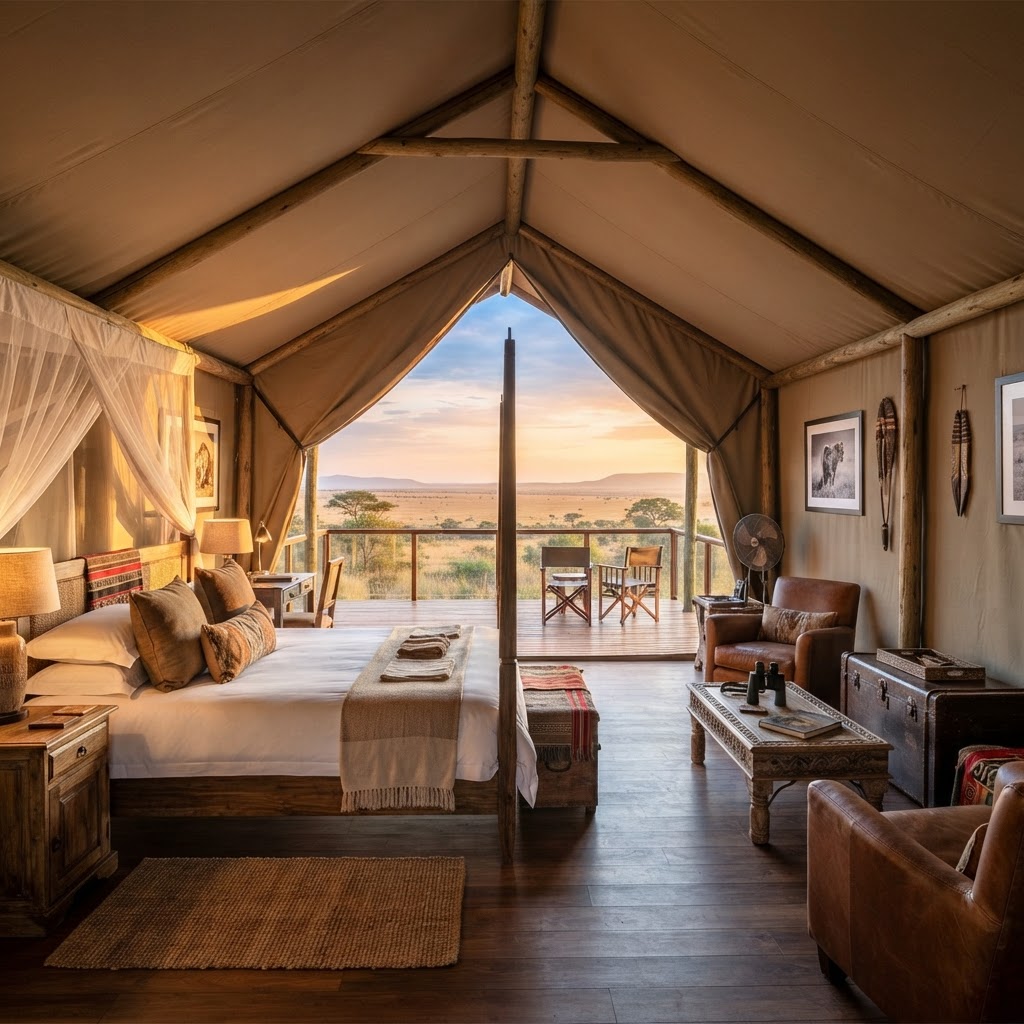
Choosing the right location dictates your daily morning drive time. Options range from lavish, permanent luxury camps to authentic mobile seasonal tents that follow the herds.
Find Your Stay to browse properties situated in close proximity to the Mara River, ensuring you spend less time commuting and more time watching wildlife. Staying within or near the reserve boundaries maximizes your exposure to the migration activity.
Cultural Insights and Etiquette
The Maasai people are the traditional stewards of this land, and their hospitality is legendary. When visiting, cultural sensitivity is of the utmost importance to maintain the integrity of these ancient communities.
Guidelines for Respectful Interaction
Always ask for explicit permission before taking photographs of individuals or village life.
Dress modestly when entering local communities or traditional villages.
Respect "no-haggling" zones in community-run markets to support fair pricing.
Tipping is a standard practice; it is customary to tip your camp staff and guides at the end of your stay to show appreciation for their service.
Safety and Practical Travel Guidance
Safety is the absolute cornerstone of a successful safari. Always remain inside your vehicle unless your professional guide specifies that it is a safe, designated area to exit.
Essential Health and Logistics
Malaria prophylaxis is strongly recommended for all travelers to Kenya.
Ensure your travel insurance policy covers emergency medical evacuation, which is vital in remote areas.
Check Visa Requirements at least three months before your 2026 departure date to avoid last-minute complications.
Local park rangers are reachable via radio, and your lodge will have direct communication lines to local authorities for any emergency needs.
Sustainable Travel Best Practices
Choose operators that are certified eco-conscious and support community conservation projects.
Minimize your plastic waste by carrying a durable, reusable water bottle throughout your trip.
Adhere to a strict 'leave no trace' policy and never encourage guides to drive off-road to disturb wildlife.
Practical Safari Preparation
Logistics: Most travelers fly into Nairobi before taking a light aircraft transfer directly to a Mara airstrip.
Currency: Carry a mix of Kenyan Shillings for local markets and US Dollars (issued 2010 or later) for tips and gratuities.
Connectivity: Embrace the disconnection; most lodges offer limited Wi-Fi, which is perfect for fully immersing yourself in nature.
Photography Equipment: Pack a dust-resistant camera bag and a beanbag for stabilizing shots from the vehicle windows.
Final Thoughts
Planning a trip for the 2026 Great Migration is a significant undertaking that yields lifelong rewards. By respecting the land, prioritizing sustainable choices, and relying on professional guidance, you transform a standard vacation into a legacy event.
Now that you are prepared, take the next step in your adventure. Explore Things to Do to start mapping out your itinerary, and ensure you have your logistics sorted early to secure the best vantage points in the Maasai Mara.
Frequently Asked Questions
Find the Perfect Stay
Explore hotels, resorts, apartments, and unique stays curated for your destination.