The Ultimate 2026 Slow Safari Guide: Naivasha & Masai Mara
AdvaTrav Travel TeamAugust 17, 20266 min read
✨ Key Takeaways
1Best Time: July to October for the Great Migration and optimal weather.
2Focus: Community-led conservation and deep, immersive wildlife observation.
3Budget: Mid-range to luxury; private conservancies are highly recommended.
4Minimum Stay: 10-14 days to fully decompress and engage with the local rhythm.
In a nutshell
Discover the art of the slow safari in Kenya. This guide helps intentional travelers connect deeply with Naivasha and the Masai Mara through ethical exploration.
Best Time: July to October for the Great Migration and optimal weather.
Focus: Community-led conservation and deep, immersive wildlife observation.
Budget: Mid-range to luxury; private conservancies are highly recommended.
Minimum Stay: 10-14 days to fully decompress and engage with the local rhythm.
The traditional safari is often a frantic race against the sun, a blurred window view of the Big Five that leaves you exhausted rather than enlightened. However, a transformative shift is occurring in Kenya, inviting you to move at the rhythm of the wild.
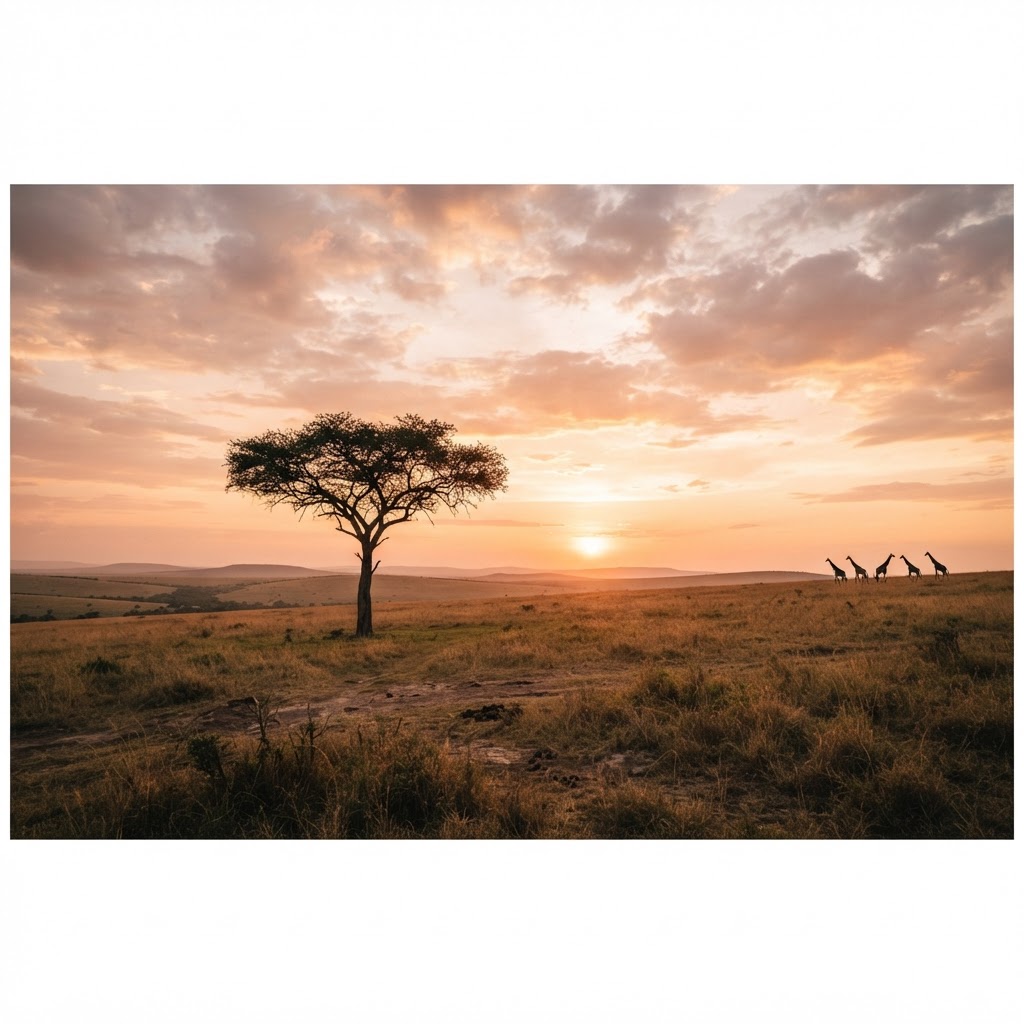
By embracing the slow safari philosophy in Naivasha and the Masai Mara, you trade the checklist for a genuine, rhythmic connection with the African landscape. This guide is designed to help the intentional traveler look beyond the camera lens, fostering a deeper, more ethical engagement with the land and the communities that call it home. Prepare to linger, breathe, and witness the savannah as it truly is.
Unveiling the Heartbeat of the Rift Valley and Mara Plains
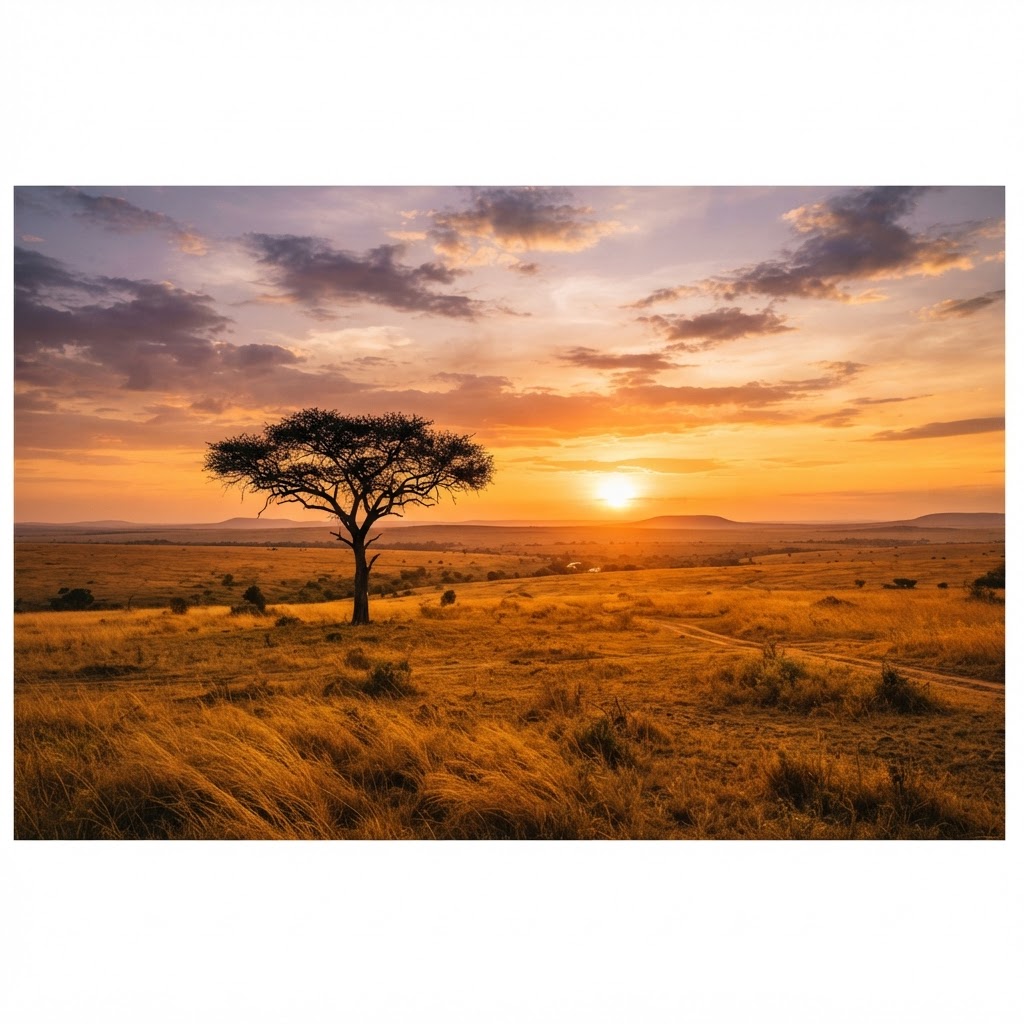
The magic of a slow safari lies in the art of stillness. Instead of rushing between sights, you allow the ecosystem to reveal itself on its own terms.
By choosing to spend time in the Rift Valley, you encounter a microcosm of Kenyan biodiversity that is often overlooked by travelers speeding toward the Mara. The transition from the high-altitude lake shores of Naivasha to the sprawling grasslands of Narok County is a journey that demands patience.
As of 2026, many seasoned guides recommend spending at least four nights in each location to truly absorb the regional nuances:
Deep Immersion: Spending extended time in one region allows you to observe complex animal behaviors that fleeting visitors miss entirely.
Ethical Impact: Longer stays provide consistent income to local staff and support long-term conservation projects that protect habitats.
Rhythm of the Wild: By slowing down, you align your biological clock with the natural cycles of the Rift Valley, moving away from the exhaustion of a tight schedule.
Seasonal Rhythms: When to Align Your Journey
Kenya’s climate dictates the flow of life across the savannah, and understanding these patterns is key to crafting the perfect, unhurried itinerary.
Seasonal Characteristics
Peak Season (July-October): This is the gold standard, offering the most dramatic wildlife spectacles as the Great Migration arrives. Park entry fees at the Masai Mara National Reserve currently sit at approximately $100–$200 per person per day depending on the season and gate.
Shoulder Season (November, March): Characterized by vibrant landscapes, these months are a paradise for birdwatchers. The 'short rains' in November often result in afternoon showers, which briefly cool the air and bring relief to the thirsty savannah.
Dry Season (December-February): This period offers excellent visibility and cooler temperatures, making it ideal for walking safaris, provided you have the appropriate gear for early morning excursions.
Curating Your Immersive Kenyan Expedition
Trade the vehicle for a more tactile exploration of the Kenyan wild. Each of these activities brings you closer to the heartbeat of the land, moving away from the 'Big Five' checklist mentality.
Lake Naivasha Boat Safaris
Glide through the water to observe the following:
Pods of hippos lounging in the cool shallows of Crescent Island.
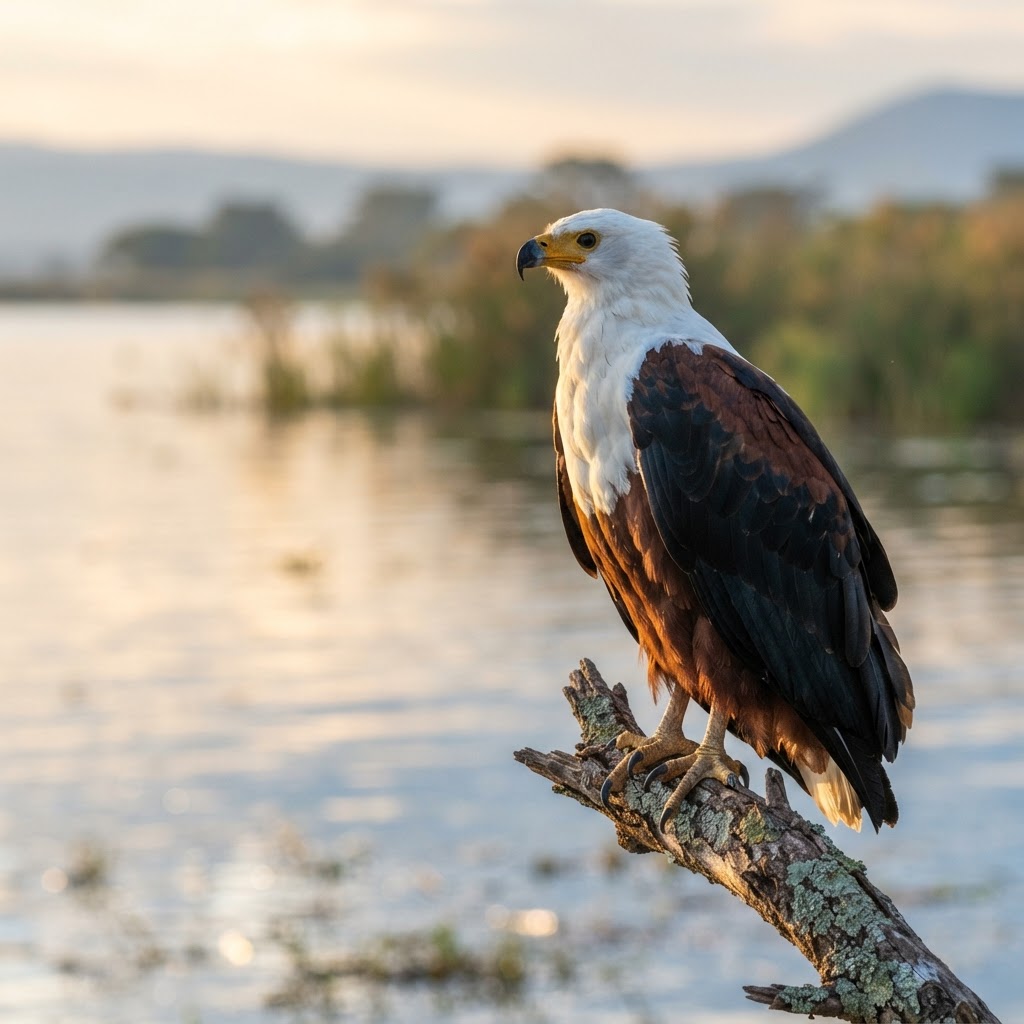
The prehistoric grace of the African fish eagle circling the acacia trees.
Over 400 species of birds, making it a dream destination for slow-paced photography.
Planning your trip?
Compare accommodation, flights, insurance, and experiences before booking.
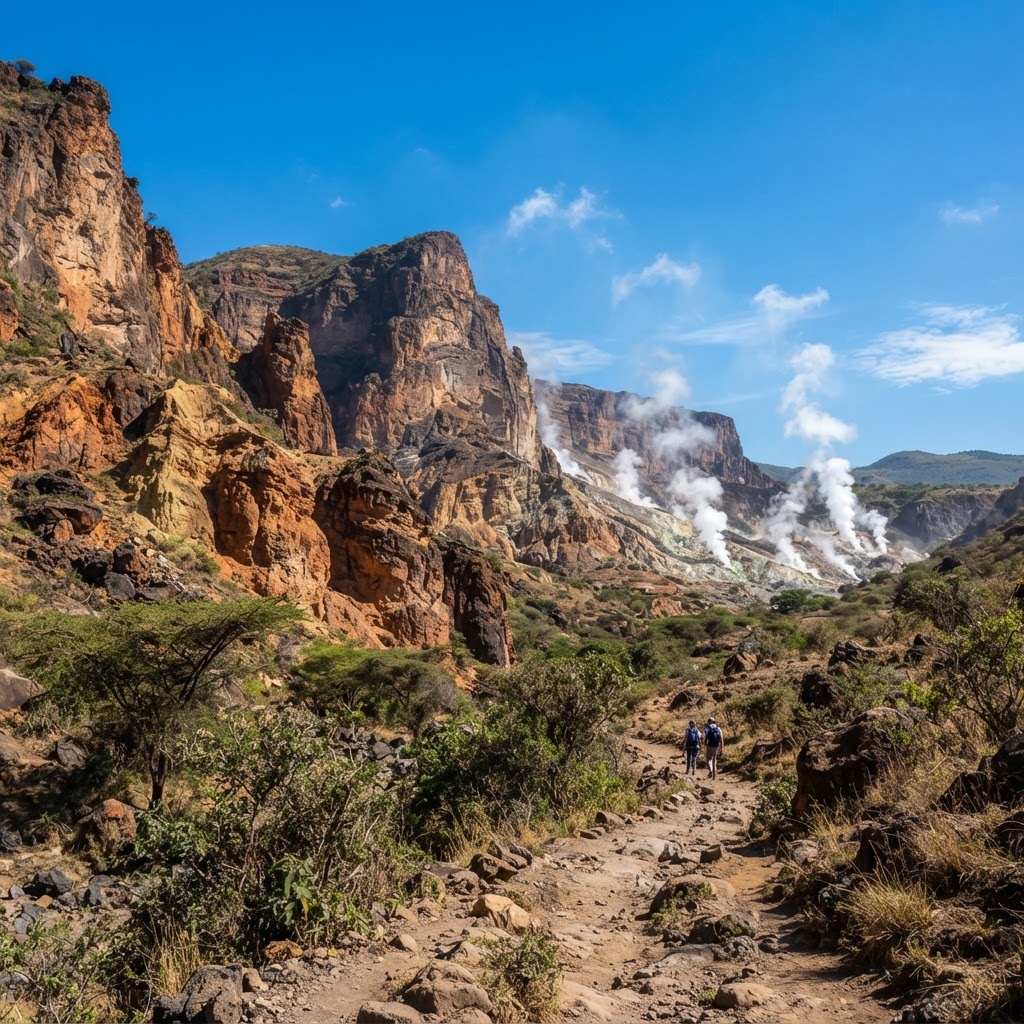
Feel the earth beneath your boots in Hell’s Gate National Park, situated about 90km northwest of Nairobi. Cycling or walking through this dramatic landscape provides a sensory connection to the Rift Valley:
Traverse towering volcanic cliffs like Fischer’s Tower.
Marvel at geothermal steam vents rising from the earth.
Discover viewpoints that no safari vehicle can reach, accessible via the main Gorge entrance.
Private Conservancy Game Drives
Step away from the crowded national reserve into private conservancies like Mara North or Naboisho for an exclusive experience.
Night Drives: Spot nocturnal predators like bushbabies and leopards.
Off-road Freedom: Explore areas where vehicles are strictly regulated in public parks to protect the soil.
Guided Walking: Experience the bush escorted by professional Maasai guides who share indigenous tracking knowledge.
Sanctuary Choices for the Conscious Explorer
Choosing the right accommodation is the cornerstone of sustainable travel. We recommend staying at properties that invest heavily in renewable energy and local staffing.
Find Your Stay to browse our curated list of ethical, high-impact lodges that prioritize the planet and local communities.
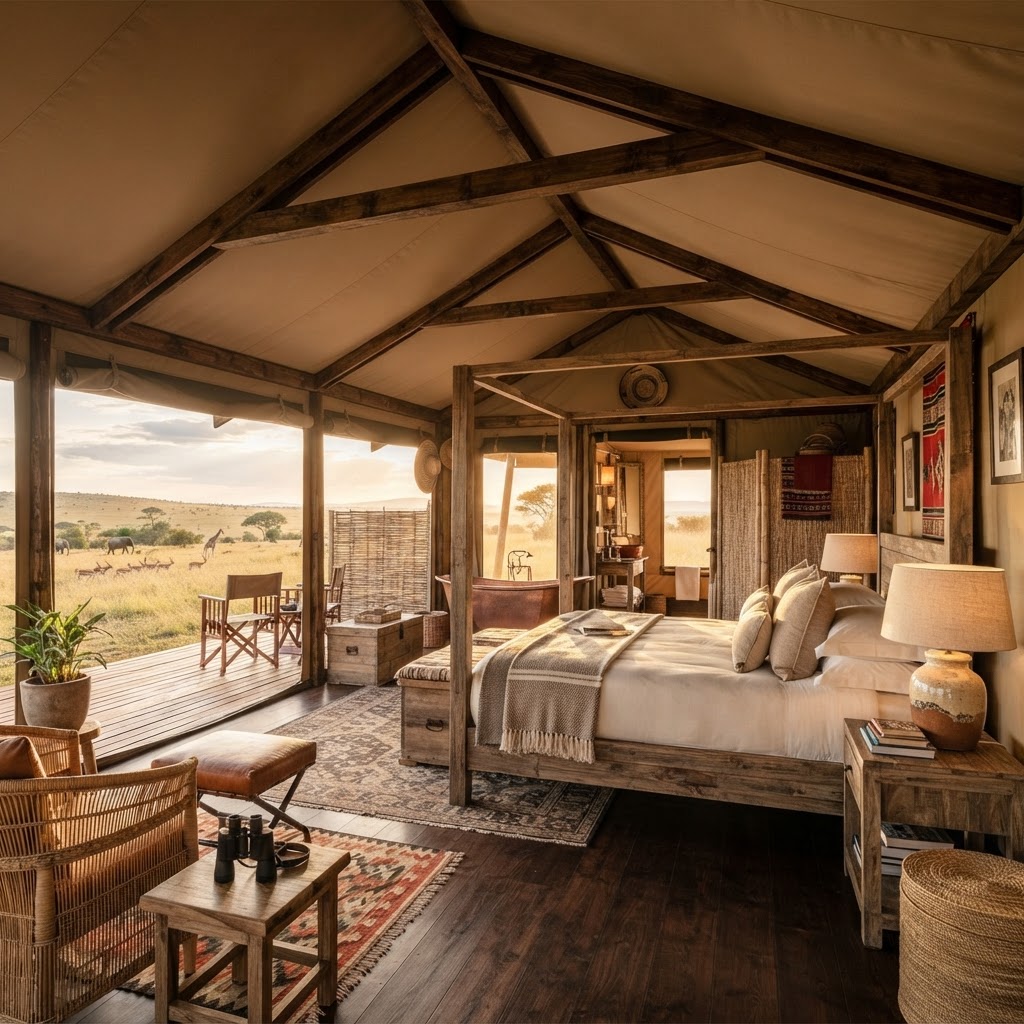
Luxury Eco-Tented Camps: Often utilize solar power and rainwater harvesting, charging upwards of $600 per night per person in the peak season.
Community-Owned Bush Homes: These offer a direct, authentic connection to Maasai culture and land stewardship.
Eco-Lodges: Focus on zero-waste kitchens that source ingredients from local Rift Valley farmers.
Cultural Integration and Stewardship
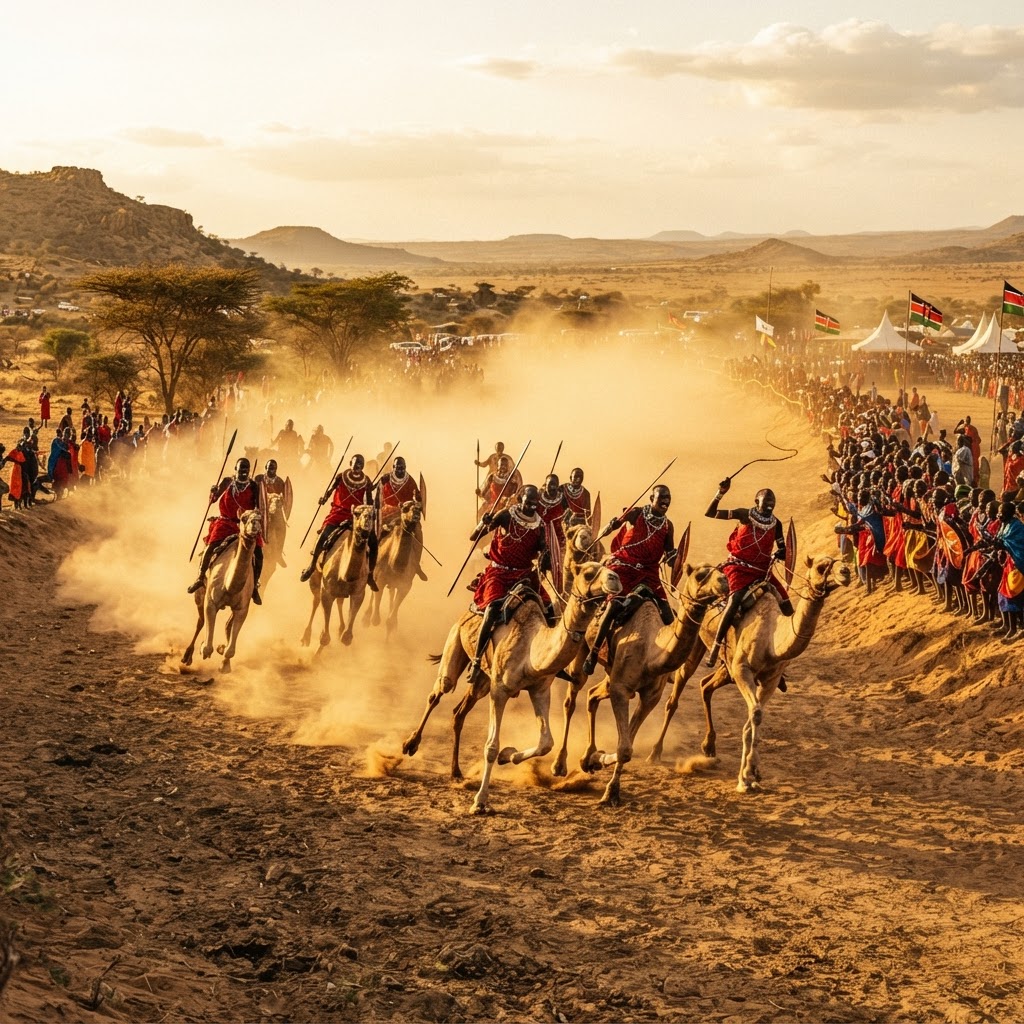
Understanding local nuances is essential for a respectful and meaningful visit. The Maasai people are proud stewards of the Mara; approach your interactions with humility and genuine curiosity.
Cultural Exchange: Treat this as a two-way dialogue. If invited to a Manyatta (homestead), remember that hospitality is sacred.
Photography Etiquette: Always ask for permission before taking portraits of community members. Never use a telephoto lens to capture people without their consent.
Tipping: A standard gesture for a lead guide is $10–$20 USD per day, best handled discreetly at the end of your stay using local shillings via M-Pesa.
Essential Logistics and Safety
Planning a slow safari requires patience and preparation. Use these logistical tips to ensure your transition into the bush is seamless.
Documentation: Always Check Visa Requirements well in advance, as the eTA process for Kenya can take up to 72 hours.
Health: Malaria prophylaxis is standard; consult a travel clinic at least 6 weeks before departure.
Connectivity: Purchase a Safaricom SIM card at the airport. Data packages for 10GB usually cost around 1,000 KES.
Safety: Avoid 'unofficial' safari bookings. In case of medical emergencies, have the contact details for AMREF Flying Doctors on hand.
Final Thoughts on Your Transformative Journey
A slow safari in Kenya is not merely a vacation; it is a lesson in presence. By lingering longer and choosing to support community-led initiatives, you contribute to the longevity of these wild spaces.
We invite you to Explore Things to Do to begin mapping out an itinerary that honors the pace of the wild and leaves a lasting, positive footprint on the Kenyan landscape.
Frequently Asked Questions
Find the Perfect Stay
Explore hotels, resorts, apartments, and unique stays curated for your destination.
A high-biodiversity corridor stretching from the volcanic highlands of Lake Naivasha to the vast grasslands of the Masai Mara, perfect for immersive wildlife and cultural experiences.