Kwale County Travel Guide: The Ultimate Handbook to Kenya’s Coastal Paradise
AdvaTrav Travel TeamAugust 12, 20266 min read
✨ Key Takeaways
1Best time to visit: January–March or July–September for perfect coastal weather.
2Top experiences: Kite-surfing in Diani, spotting Sable Antelope in Shimba Hills, and dolphin watching in Kisite-Mpunguti.
3Cultural musts: Savor traditional Swahili Pilau and respect local customs by dressing modestly.
4Logistics tip: Fly into Ukunda Airstrip to minimize transit time and maximize beach time.
In a nutshell
Discover the magic of Kwale County, Kenya. From the pristine white sands of Diani Beach to the wildlife in Shimba Hills, this is your ultimate travel guide.
Best time to visit: January–March or July–September for perfect coastal weather.
Top experiences: Kite-surfing in Diani, spotting Sable Antelope in Shimba Hills, and dolphin watching in Kisite-Mpunguti.
Cultural musts: Savor traditional Swahili Pilau and respect local customs by dressing modestly.
Logistics tip: Fly into Ukunda Airstrip to minimize transit time and maximize beach time.
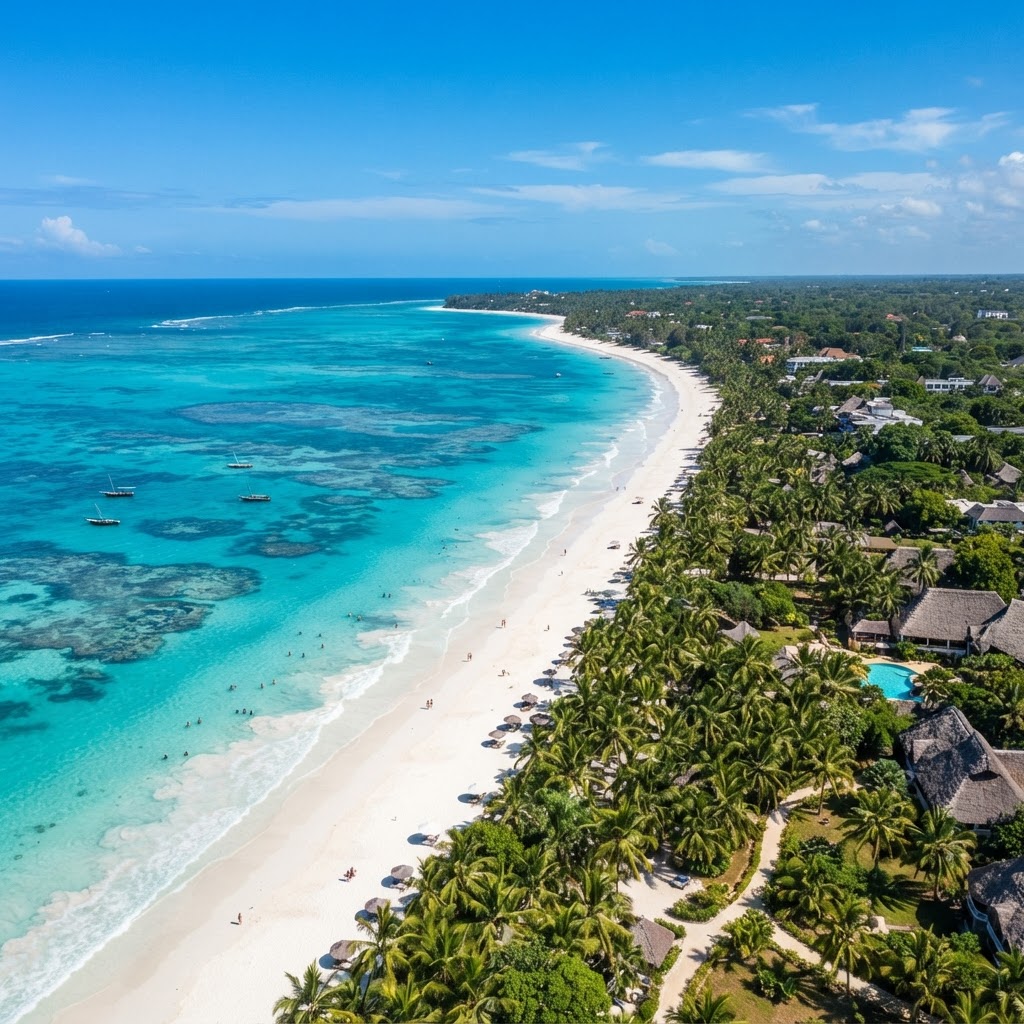
Kwale County is a coastal masterpiece where the turquoise Indian Ocean meets the raw beauty of untamed African wilderness. Stretching from the soft, powdery sands of Diani Beach to the lush, elevated canopy of the Shimba Hills, this region offers a sensory experience unlike any other in Kenya.
Whether you are seeking the high-octane thrill of kite-surfing or the quiet, meditative atmosphere of an ancient sacred forest, Kwale provides a sanctuary for the soul. It is a place where modern luxury finds a perfect, humble balance with the deep-rooted traditions of the local Digo and Duruma communities.
Why Kwale County Should Be on Your Radar
Kwale is the ultimate escape for those who want more from a coastal vacation than just a resort chair. It is an intersection of diverse cultures, vibrant history, and protected natural treasures that feel miles away from the ordinary.
Unique Topography: A rare mix of world-class beaches and inland wildlife reserves.
Rich Heritage: Deep engagement with Swahili, Digo, and Duruma cultural identities.
Accessible Adventure: Easy reach from major hubs like Mombasa, yet retaining a distinct sense of seclusion.
Sustainability: A growing commitment to preserving the delicate Kaya forest ecosystems.
Best Time to Visit: Seasonal Insights
Timing your journey to this coastal gem is essential to ensure your plans align with the region's distinct climate patterns. By planning around the monsoon winds and the dry spells, you can guarantee the best possible experience.
The Dry Seasons
January–March: The peak season for sunshine. Expect calm, crystal-clear water and brilliant blue skies, perfect for snorkeling and deep-sea diving.
July–September: The "Cool & Dry" season. This is the optimal window for combining beach relaxation with active wildlife viewing in the Shimba Hills, as animals frequent water holes.
The Rainy Seasons
April–June: The period of the "long rains." While tropical showers keep the landscape lush and green, travel logistics may become trickier due to muddy roads.
November–December: Known for the "short rains." These periods are ideal for budget-conscious travelers seeking solitude, as accommodation prices are significantly lower.
Top Things to Do in Kwale
Kwale is a treasure trove of activities that cater to every type of traveler. From the depths of the ocean to the heights of forest trails, you will find an itinerary full of wonder.
Coastal & Marine Adventures
Diani Beach: The ultimate destination for water sports. Try your hand at kite-surfing, windsurfing, or simply enjoy a sundowner at a local beach club.
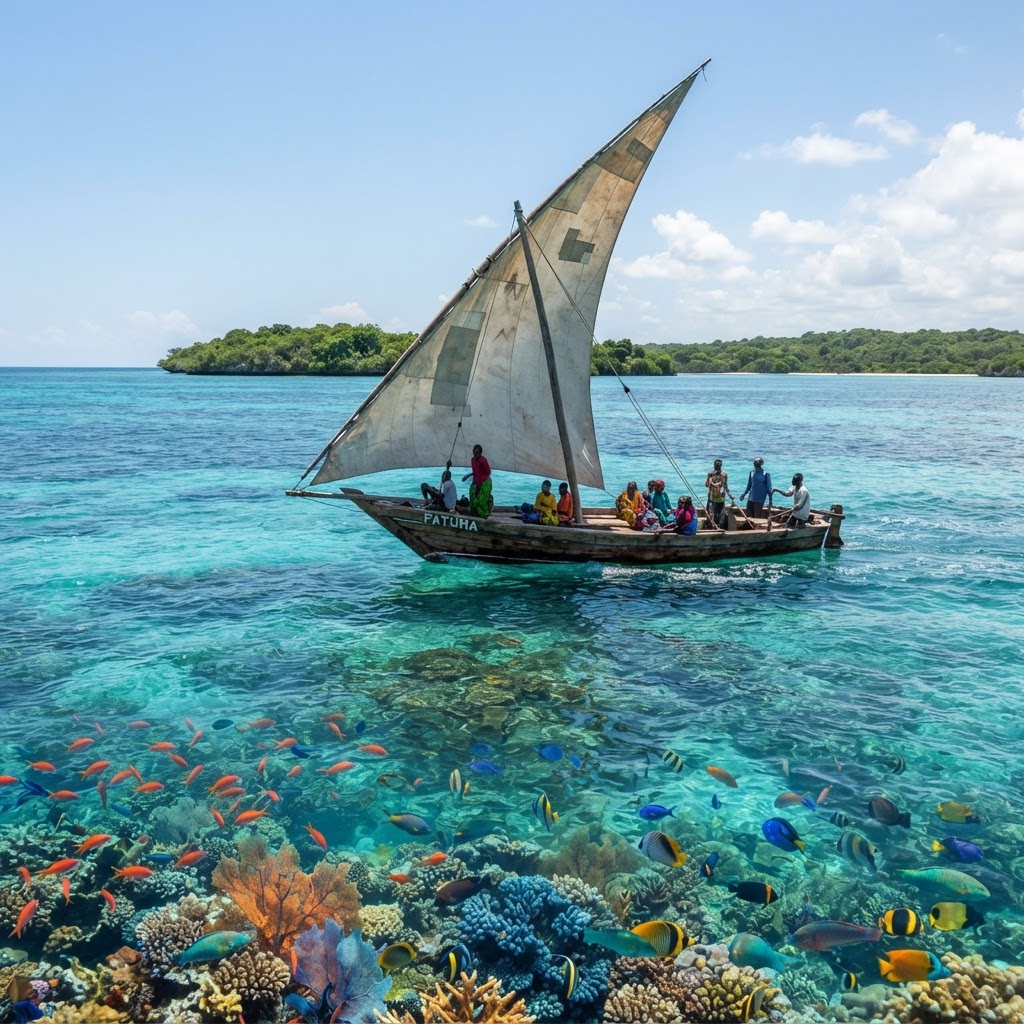
Kisite-Mpunguti Marine Park: Book a traditional dhow excursion to explore vibrant coral reefs and swim alongside wild dolphins.
Planning your trip?
Compare accommodation, flights, insurance, and experiences before booking.
Shimba Hills National Reserve: Home to the rare Sable Antelope. Hike to the spectacular 21-meter Sheldrick Falls for a cooling jungle experience.
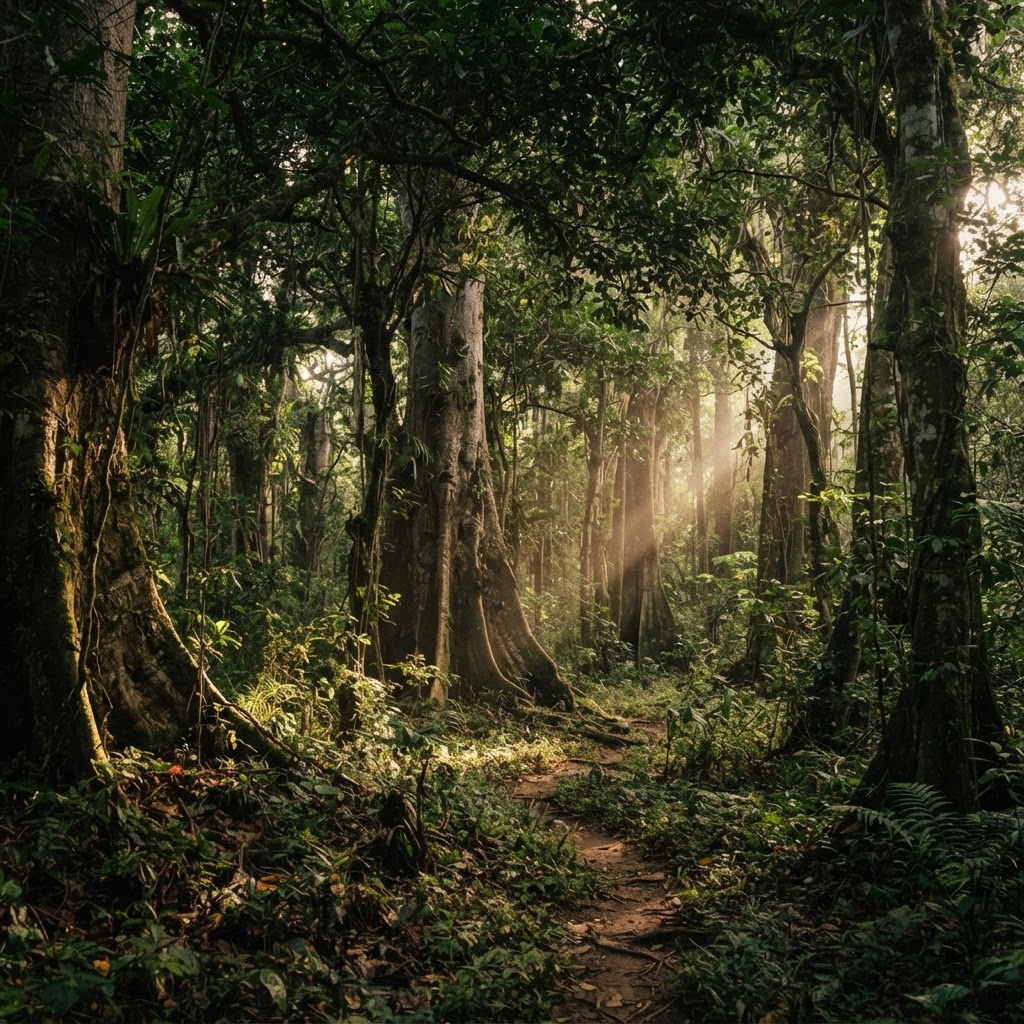
Kaya Kinondo Sacred Forest: A spiritual site for the local community that offers guided walks to witness ancient trees and indigenous wildlife.
Where to Stay in Comfort
Kwale features a wide spectrum of lodging that caters to diverse budgets, ranging from rustic hideaways to ultra-luxury beachfront villas. Find Your Stay to browse our verified options today.
Luxury Resorts: Mostly situated along Diani Beach, providing private beach access, spa services, and all-inclusive packages.
Eco-Lodges: Found near the interior forests and Shimba Hills, these lodges offer a chance to stay close to nature without sacrificing modern comforts.
Boutique Guesthouses: These provide a deeper look into local architecture, often featuring intricate Swahili wood carvings and traditional decor.
Local Food & Cultural Etiquette
The food scene in Kwale is a delicious narrative of historical trade routes, blending African, Arab, and Indian flavors into a culinary masterpiece.
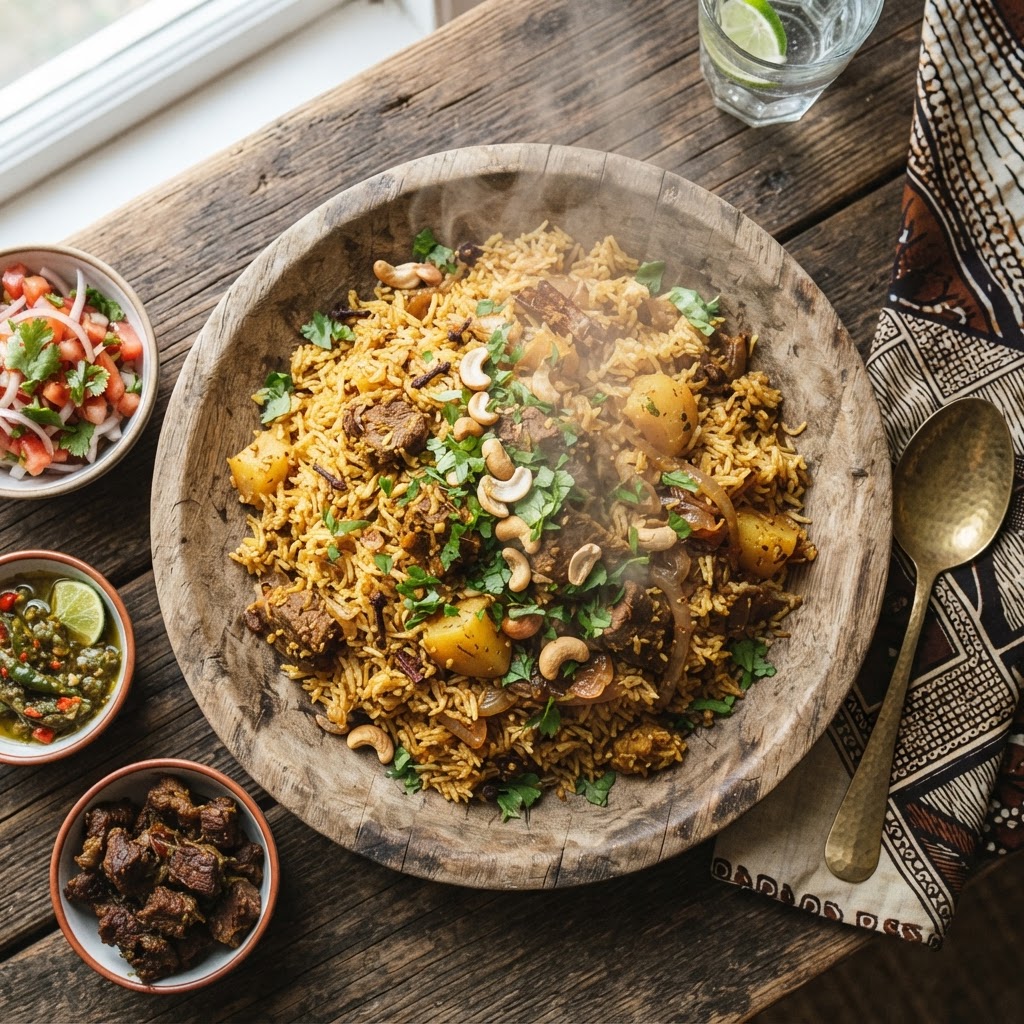
Swahili Pilau: A fragrant rice dish cooked with whole spices like cloves and cinnamon.
Pigeon Pea Curry: A creamy, savory side dish often served with fried bread.
Dining Manners: Always use your right hand when eating. If you are invited to a local village, wait for your host to begin, and show respect by greeting the elders first.
Cultural Insights for Travelers
Kwale is a region defined by its warmth and strong cultural identity. As the region is predominantly Muslim, traveling with a respectful mindset is key to connecting with the local population.
Dress Sensibly: Keep your beachwear strictly for the hotel or the beach itself. When visiting local markets or villages, cover your shoulders and knees to show respect for local norms.
Tipping Culture: Tipping is not strictly mandatory, but leaving 5–10% at restaurants or for excellent service is highly appreciated by staff.
Safety and Practical Guidance
Staying safe in Kwale is straightforward when you follow common-sense travel precautions. Always ensure you have adequate health coverage and remain aware of your surroundings.
Health Advice: Use malaria prophylaxis as a precaution and stick to bottled or filtered water throughout your stay.
Personal Security: While generally safe, avoid walking on isolated beach stretches after dark. Instead, utilize hotel-arranged transport.
Emergency Info: Keep a local tourist police contact number saved in your phone; ask your hotel concierge for the most current local emergency directory.
Sustainable and Practical Travel Tips
To ensure Kwale remains a paradise for future generations, practice responsible tourism. Check Visa Requirements early so your planning is stress-free.
Support Local Artisans: Buy handmade crafts directly from local vendors to help the local economy grow.
Eco-Choice Travel: Prioritize tour operators that adhere to "Leave No Trace" policies.
Connectivity: Secure a local SIM card (Safaricom or Airtel) at Ukunda Airstrip for reliable data.
Currency Management: Keep Kenyan Shillings (KES) for small market purchases, even though major resorts accept credit cards.
Final Thoughts
Kwale County is a destination that captures the heart with its quiet simplicity and sweeping natural grandeur. Whether you are wandering through the ancient Kaya forests or watching a golden sunset over the Indian Ocean, the magic of the coast is undeniable.
Ready to begin your journey? Explore Things to Do and start mapping out your unforgettable Kenyan getaway today. Your tropical escape awaits.
Frequently Asked Questions
Find the Perfect Stay
Explore hotels, resorts, apartments, and unique stays curated for your destination.
Kwale County is a coastal paradise in Kenya, blending world-class beach resorts, rich cultural heritage, and diverse wildlife sanctuaries like Shimba Hills.