Stepping into the Great Rift Valley, you are immediately struck by the sheer scale of the landscape. Lake Baringo, a freshwater sanctuary, is a world away from the bustling streets of Nairobi. Unlike the saline lakes that dominate the region, Baringo serves as a life-giving oasis, supporting a dizzying array of life.
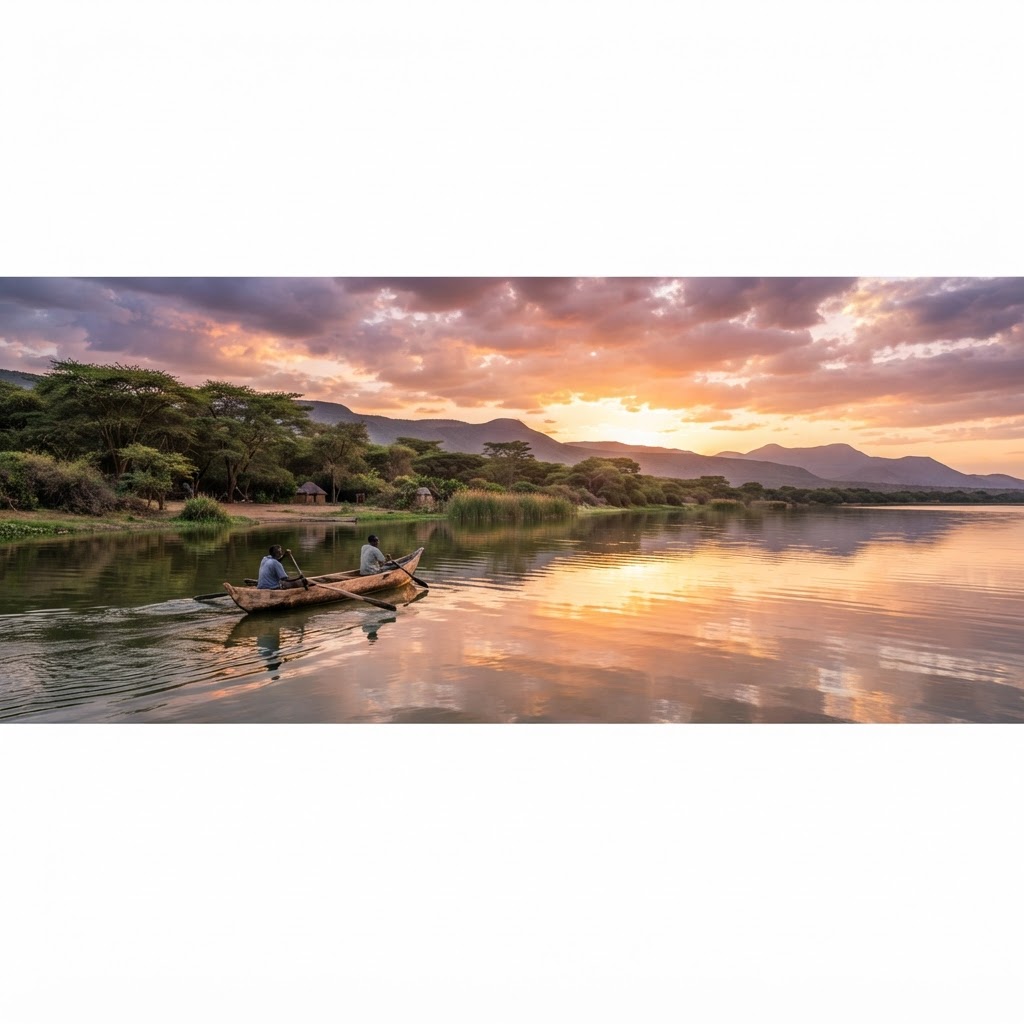
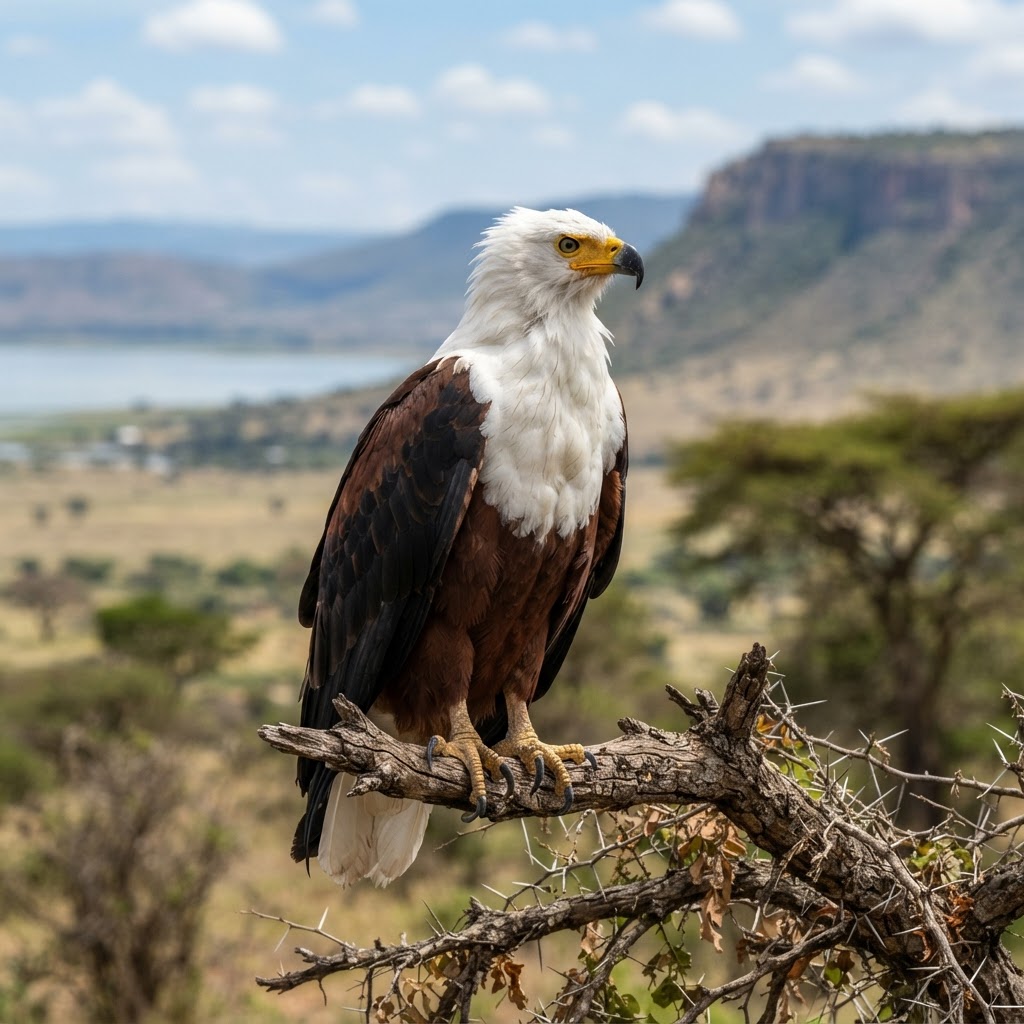
As a travel writer, I have found that Baringo is the ultimate 'slow travel' destination. It is a place where you don't just sightsee; you observe. Whether you are watching a Fish Eagle dive for its catch or sharing a sunset with local fishermen on their traditional rafts, the connection to nature here is visceral and immediate.
At a Glance
Diverse birdlife: Over 450 recorded species.
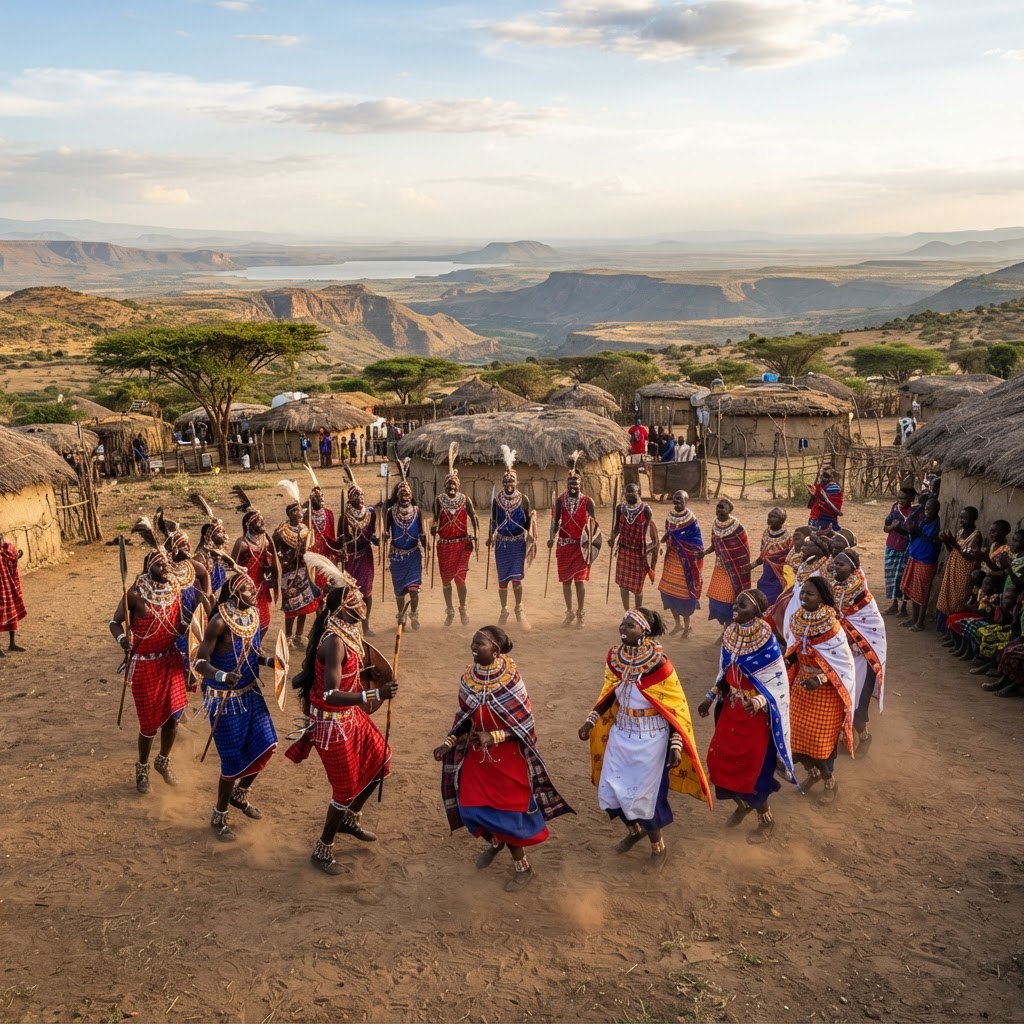
Unique culture: Connect with the indigenous Njemps (Ilchamus) community.
Geological wonder: Explore volcanic landscapes in the Great Rift Valley.
Sustainable travel: Support eco-friendly lodges and local community projects.
Why Lake Baringo Should Be on Your Radar
The Great Rift Valley is a theater of nature, and Lake Baringo is its most intimate stage. While other lakes in the region are alkaline and harsh, Baringo is a freshwater jewel that draws life from every corner of the savannah.
Experience true isolation from the modern world.
Witness a biodiversity hotspot that remains largely off the main tourist trail.
Engage in meaningful 'slow travel' where observation is more important than ticking off boxes.
Best Time to Visit: Seasonal Insights
Timing your trip is crucial to catching the best of the Rift Valley’s climate. The fluctuations between the wet and dry seasons significantly alter the landscape and accessibility of the lake.
Dry Season (June to October)
This is the premier window for visitors. The weather is cool and dry, making it ideal for hiking the escarpments and bird watching.
Optimal bird watching conditions as foliage thins.
Stable water levels allow for seamless boat navigation.
Cooler temperatures make mid-day hiking on Ol Kokwe Island more bearable.
Wet Season (November to May)
While rain can make roads challenging, the landscape turns a brilliant shade of green. If you are an experienced traveler or a photographer, this season offers unique rewards.
Witness the dramatic transformation of the landscape into vibrant green pastures.
Capture moody, atmospheric photography with low-hanging storm clouds.
Verify all road conditions with local operators before you depart.
Top Things to Do in the Rift Valley
From the water-based thrills to land-based cultural exploration, Lake Baringo offers a wide variety of activities for every type of traveler. Follow this list to maximize your time in this oasis.
Bird Watching Safaris: Rent a boat to glide through the reeds where over 450 species thrive.
Cultural Immersion: Spend a day with the Njemps people to learn about their historic fishing methods.
Volcanic Exploration: Hike the rugged, rocky trails of Ol Kokwe Island.
Sunset Boat Tours: Experience the 'Golden Hour' reflection on the water.
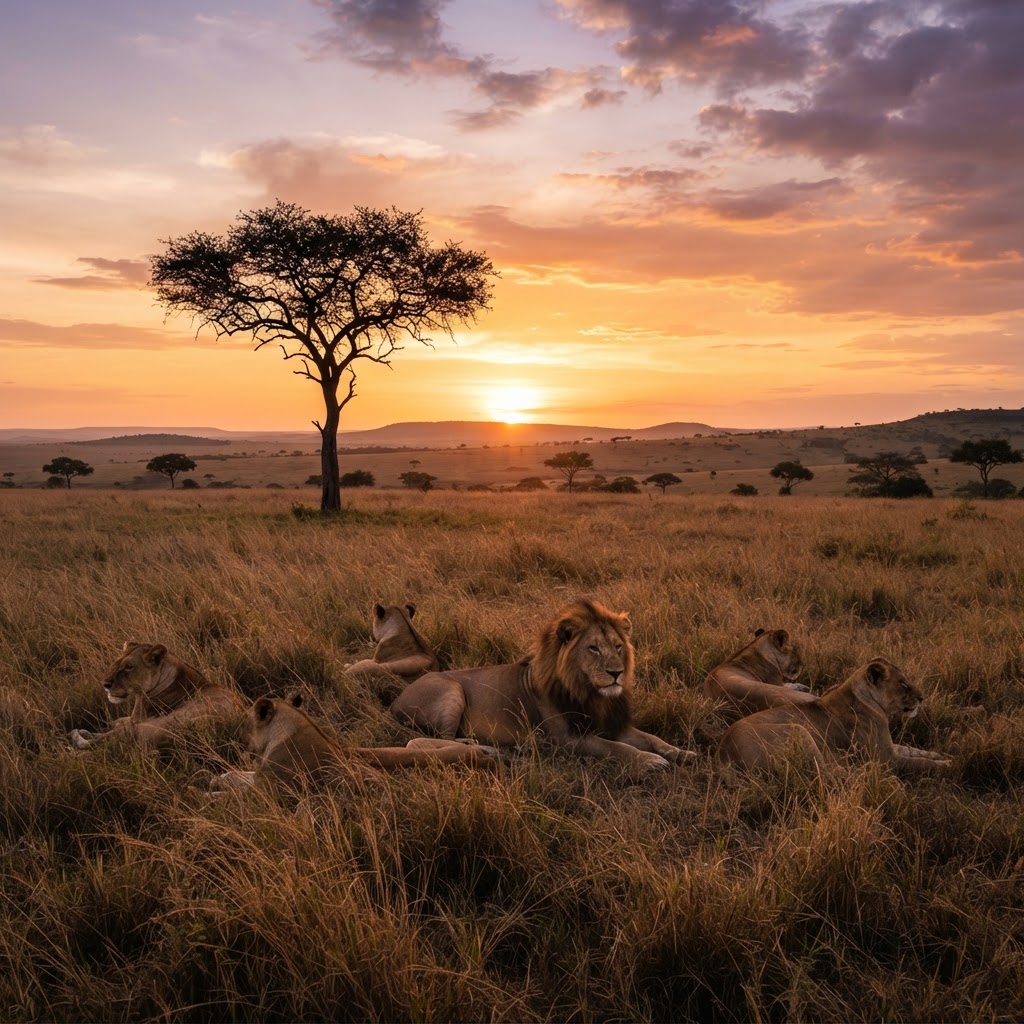
Wildlife Spotting: Witness hippos and crocodiles from a safe, guided distance.
Planning your trip?
Compare accommodation, flights, insurance, and experiences before booking.
Lake Baringo is a paradise for ornithologists. As of 2026, local guides have noted a significant increase in migratory sightings during the winter months.
Bring high-quality binoculars for detailed observation.
Hire a local boat guide who specializes in identifying endemic species.
Focus your attention on the Goliath Heron and the majestic Fish Eagle.
Where to Stay at Lake Baringo
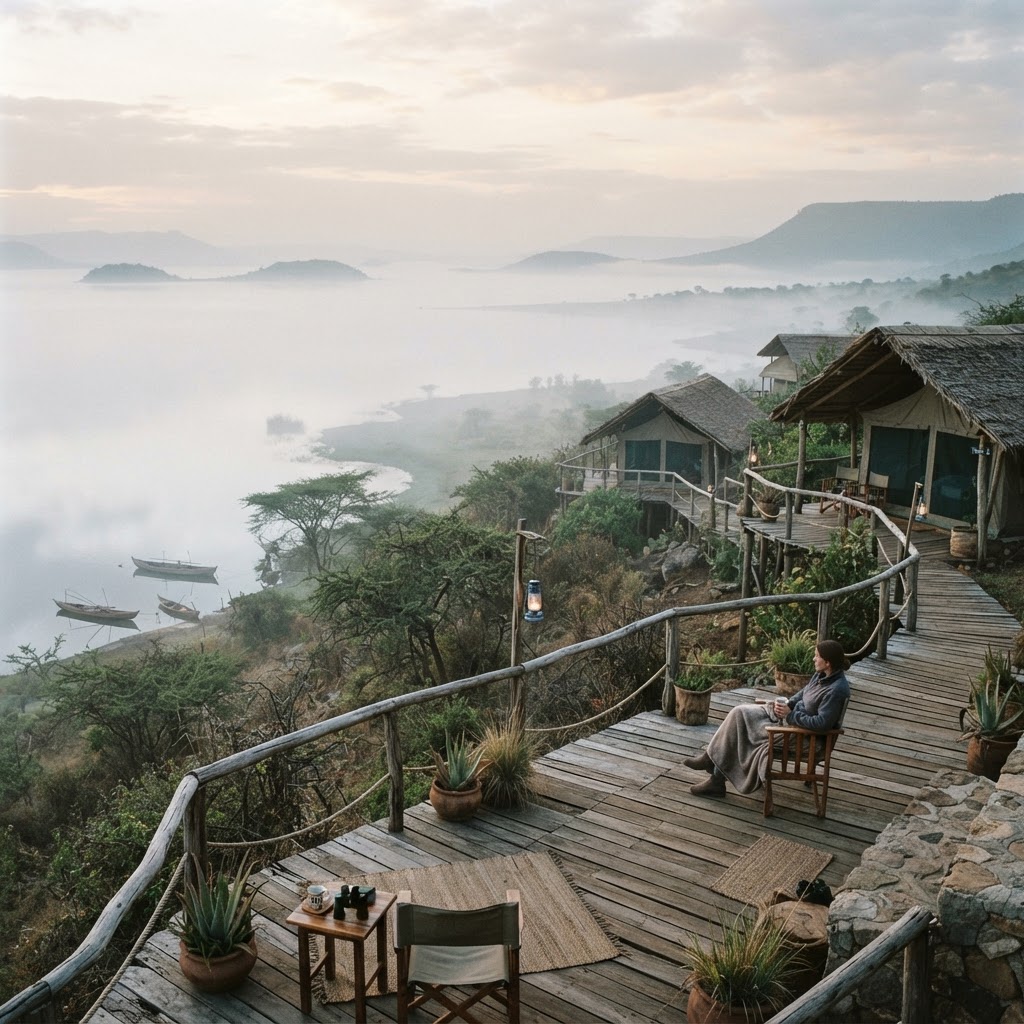
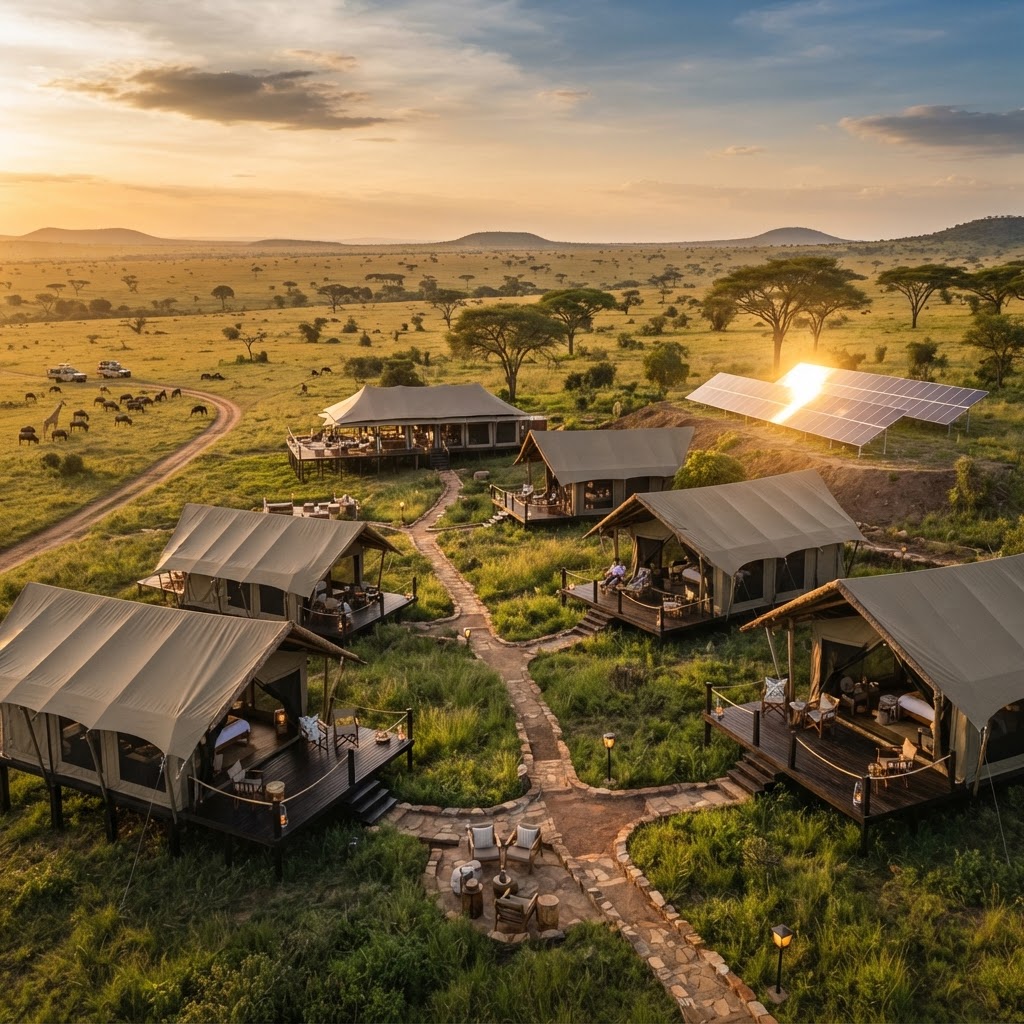
Choosing the right accommodation is essential for a comfortable, authentic experience. Whether you prefer luxury eco-lodges or rustic tented camps, the options near the shoreline provide stunning, uninterrupted views of the water.
Luxury Eco-Camps: High-end lodges focusing on sustainable operations.
Boutique Guesthouses: Family-run properties offering intimate personal service.
Campsites: Ideal for the true adventurer seeking to wake up to the sound of the lake.
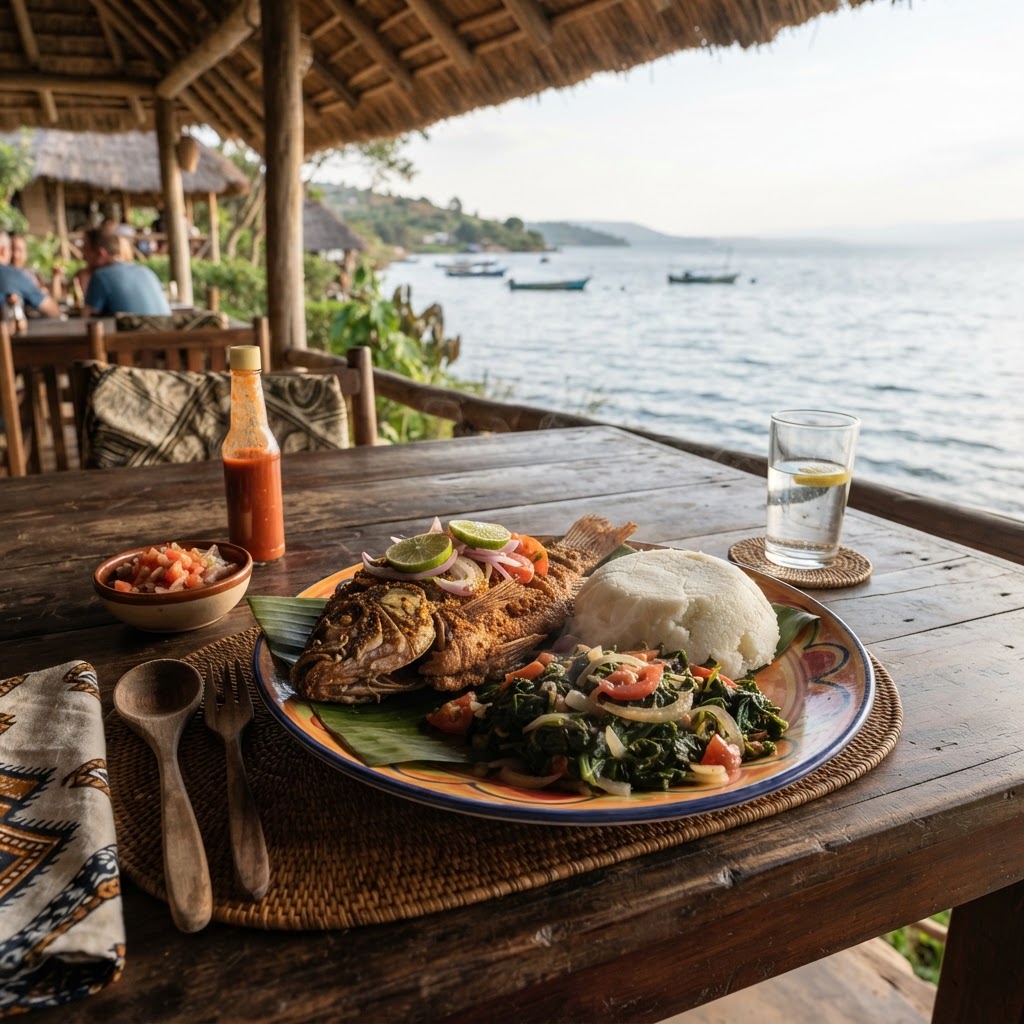
Eating in the Rift Valley is an exercise in farm-to-table simplicity. The flavors are humble, fresh, and deeply connected to the surrounding environment.
Tilapia: The most famous dish, caught fresh from the lake that morning.
Ugali: The staple maize flour porridge served at almost every meal.
Sukuma Wiki: Fresh collard greens sourced from local gardens.
Market Produce: Always prioritize local markets where the freshest fruits and vegetables are sold directly by farmers.
Cultural Insights & Etiquette
When engaging with the Njemps and Pokot tribes, politeness is the foundation of every interaction. Understanding the local social fabric will deepen your travel experience.
Greeting elders with a handshake and a respectful nod is standard.
Dress modestly, especially when entering village spaces; shoulders and knees should be covered.
Always ask for permission before taking photographs of individuals or private homes.
Essential Safety & Travel Tips
While Lake Baringo is generally safe, it remains a wild environment. Being prepared ensures you can focus on the scenery rather than logistical worries.
Wildlife Safety: Stay within designated areas when viewing crocodiles and hippos; avoid the water's edge at night.
Health Precautions: Ensure you are up to date on malaria prophylaxis and drink only bottled or treated water.
Transport: The drive from Nairobi takes approximately 5 hours via the Nakuru-Marigat highway.
Packing: Bring lightweight, moisture-wicking clothing and high-SPF sunscreen for the equatorial sun.
Lake Baringo is more than a destination; it is a lesson in harmony between humans and the natural world. If you leave with a deeper understanding of the Great Rift Valley’s delicate ecosystem, you have truly experienced the heart of Kenya.
Start by researching the best lodges for your budget.
Pack your gear early to avoid stress.
Always respect the local wildlife and community customs.
Lake Baringo is a freshwater jewel within the Great Rift Valley, renowned for its diverse birdlife, volcanic islands, and the rich cultural heritage of the Njemps people.