At a Glance
- Located on the border of Kenya and Tanzania, this volcanic wonder is fed by Mount Kilimanjaro's underground rivers.
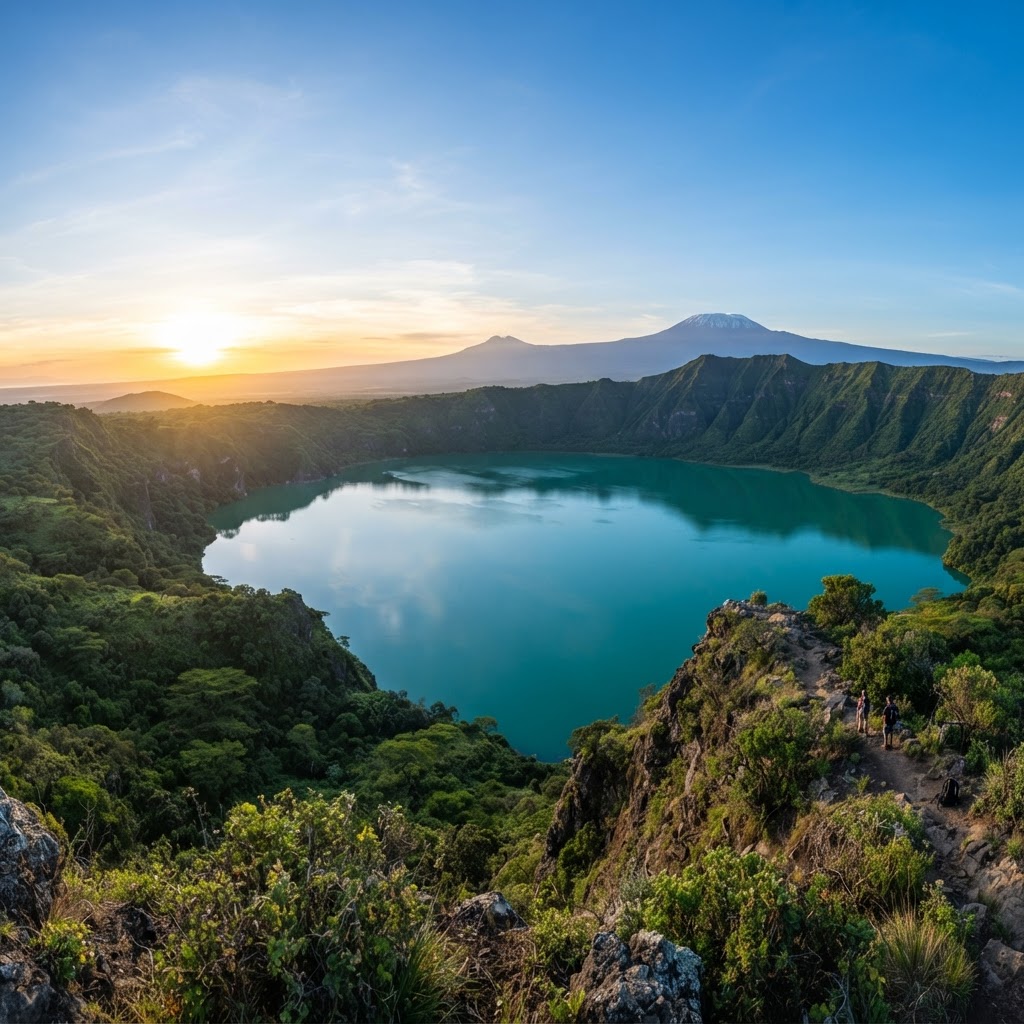
- The lake features a stunning, trademark turquoise color and is surrounded by dramatic crater walls.
- It is a biodiversity hotspot hosting over 200 species of birds and unique reptile life.
- Travelers should plan for the dry season (June to October) to experience the best visibility and hiking conditions.
Deep in the heart of East Africa, tucked away from the bustling tourist trails, lies a hidden turquoise treasure known as Lake Chala. Often overshadowed by the neighboring peaks, this volcanic crater lake is a geological marvel that feels like a portal to another world.
The water, fed by pristine underground rivers flowing directly from the snow-capped glaciers of Mount Kilimanjaro, sparkles with a unique, ethereal turquoise hue. It is not just a destination; it is a sanctuary for those who crave the silence of nature and the raw, untamed beauty of the African landscape.
Discover the Geological Wonder of Lake Chala
Lake Chala is a textbook example of a caldera lake, formed by a massive volcanic eruption thousands of years ago. The steep, towering crater walls create a natural amphitheater, shielding the water from the outside world and creating a microclimate that is both secluded and peaceful.
Why This Crater is Unique
- Volcanic Origins: The deep basin was formed by the collapse of a volcanic cone.
- Water Source: Fed primarily by groundwater from Mount Kilimanjaro, ensuring the water remains refreshingly clear.
- Mineral Composition: The unique mineral content provides the lake's signature vibrant blue-green color.
- Total Seclusion: The high walls provide a natural sound barrier, making it one of the quietest places in East Africa.
Unmatched Biodiversity and Wildlife
Nature enthusiasts will find themselves in a paradise of biodiversity. The caldera serves as an isolated ecosystem where flora and fauna have thrived for centuries, undisturbed by the modern world.
The Living Landscape
- Avian Paradise: Home to over 200 species of birds, including the rare crowned eagle and various kingfishers.
- Unique Reptiles: The crater walls provide a rugged habitat for several species of lizards and snakes that are rare to the surrounding savanna.
- Flora Variety: A lush, green fringe of vegetation contrasts beautifully against the stark volcanic rock.
- Savanna Views: Keep your eyes peeled for elephants, monkeys, and baboons that occasionally wander near the rim from the nearby plains.