Mandera County Kenya 2026: The Ultimate Guide to the Untamed Frontier
AdvaTrav Travel TeamAugust 14, 20266 min read
✨ Key Takeaways
1Experience the raw, untamed beauty of the northeastern desert frontier.
2Explore the life-giving oasis of the Dawa River and local markets.
3Immerse yourself in deep-rooted Somali-influenced cultural traditions.
4Navigate safely with expert local guides and 4x4 transport.
In a nutshell
Discover Mandera County, Kenya's remote northeastern frontier. Explore the culture, Dawa River, and raw beauty of this authentic, untamed region in 2026.
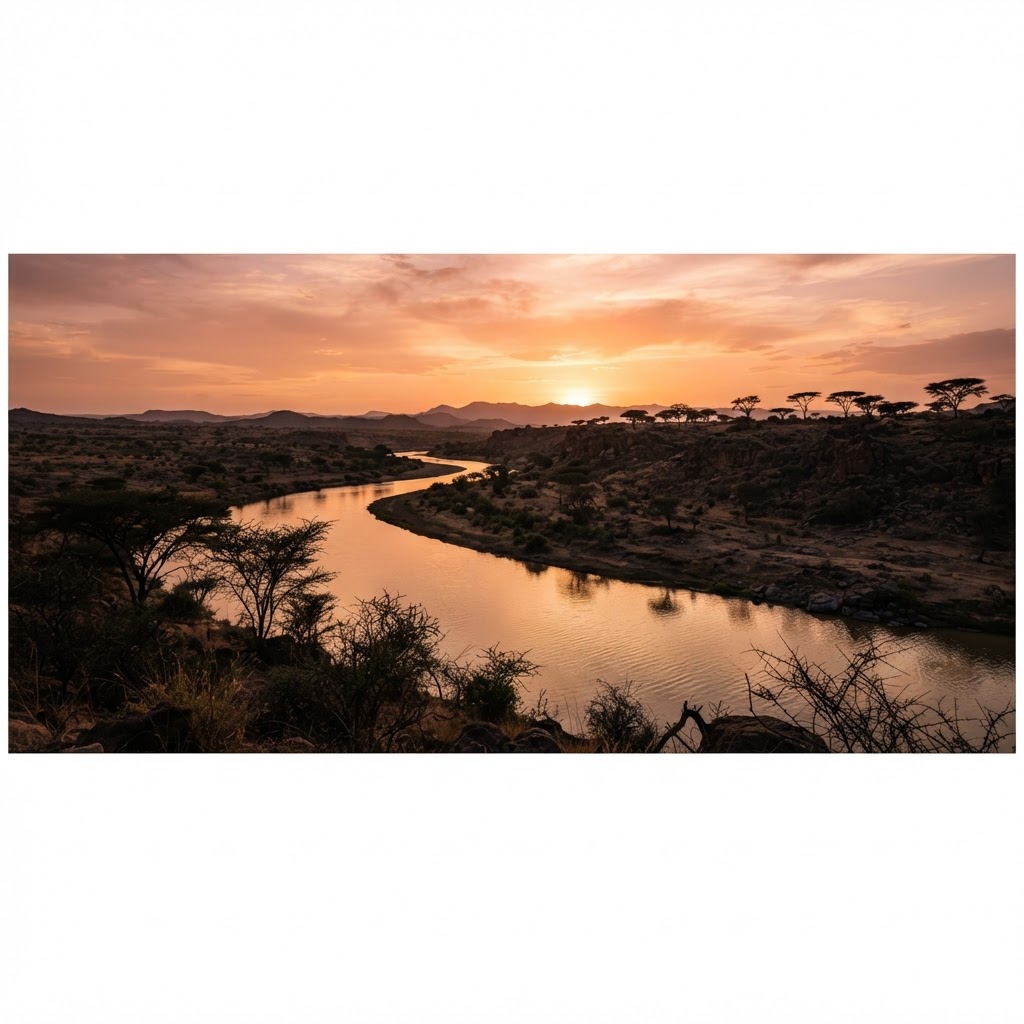
Stepping into Mandera County feels like crossing into a lost geography where the silence of the desert is only broken by the occasional nomadic caravan. Located at the northeastern-most extremity of Kenya, this frontier region serves as a rugged meeting point between Kenya, Ethiopia, and Somalia. The Dawa River acts as a verdant lifeline, cutting through sun-baked plains and ancient, jagged rock formations, creating an ecosystem as resilient as its people.
For the intrepid explorer who finds standard safari circuits predictable, Mandera offers a visceral, unfiltered look at the Horn of Africa’s heritage. You will find a world where ancient trade routes still define daily life, and the hospitality of the local Somali community stands as a cornerstone of the regional culture. This guide provides the essential framework for navigating one of the most remote and rewarding territories on the African continent.
At a Glance
Discover the raw, untamed beauty of Kenya’s northeastern frontier.
Explore the life-giving oasis of the Dawa River and bustling local markets.
Immerse yourself in authentic, historic Somali-influenced culture.
Experience unique desert trekking and ancient, resilient nomadic lifestyles.
Whispers of the Wild: Why This Frontier Demands Your Presence
Unlike the manicured landscapes of the Maasai Mara, Mandera remains a raw, authentic landscape where tourism is still in its infancy. You are not visiting for luxury spas, but for the profound connection to a land that has remained largely unchanged for centuries. The county’s beauty is defined by its harsh, dramatic horizons—flat desert scrublands punctuated by granite outcrops that glow ochre during the golden hour.
Unfiltered Authenticity: Experience daily life as it has existed for generations, far from the influence of mass-market tourism.
Geological Wonders: Observe the stunning transition of landscapes from the Ewaso Nyiro basin influence to the arid, sun-scorched northern plains.
Cultural Intersection: Engage with a unique demographic blend where Kenyan, Somali, and Ethiopian traditions converge in dress, music, and cuisine.
When the North Stirs: Seasonal Travel Insights
Planning a trip to Mandera requires respecting the climate. Being situated in a high-temperature desert zone, your comfort depends entirely on timing your visit to the 'shoulder' months.
Navigating the Elements
The optimal window for an expedition is from June to August, when daytime temperatures typically remain manageable between 28°C and 32°C. Avoid the peak heat of December and January, where temperatures frequently exceed 40°C, rendering midday trekking hazardous. Always monitor the Kenya Meteorological Department reports, as brief rain cycles in April and November can trigger sudden, localized flash floods, particularly near the banks of the Dawa River.
Festivals and Community Events
Aligning your visit with cultural landmarks adds immense depth to your journey. Witness the community spirit during Eid al-Fitr and Eid al-Adha. These times see the town of Mandera come alive with traditional poetry readings, communal feasts of roasted goat, and vibrant social gatherings that showcase the true heartbeat of the northern frontier.
The Pulse of the North: Must-Visit Experiences
The Life-Giving Dawa River: Spend your mornings observing the traditional irrigation techniques that sustain local agriculture. The riverbanks offer a unique sanctuary for rare, arid-land bird species.
The Vibrant Markets of Mandera Town: Navigate the central bazaar, where merchants sell aromatic spices, livestock, and intricate, hand-woven textiles that tell the story of regional trade.
Desert Trekking with Local Elders: Join a guided excursion into the scrubland to learn the art of camel herding and traditional desert navigation from experienced nomadic pastoralists.
Ancient Trade Route Exploration: Trace the paths of historical merchants who crossed these plains, connecting the interior of East Africa to the Red Sea ports.
Architectural Heritage Sightseeing: Visit the older, traditional structures in the outskirts of the town, built with local stone that reflects the traditional building styles of the region.
Planning your trip?
Compare accommodation, flights, insurance, and experiences before booking.
Accommodation in this region is functional and rooted in local community support. You will find that most options are boutique hotels or secure guesthouses designed for those traversing the frontier.
Mandera Town Hotels: These offer the best balance of amenities, including high-walled security, reliable solar-powered lighting, and air conditioning. Expect to pay between $40 – $70 USD per night for a reputable establishment.
Guesthouse Homestays: For a deeper connection, seek out family-operated guesthouses. These provide an intimate look at local life, often including authentic, freshly prepared meals.
Practical Stay Tips: Always prioritize accommodations that offer secure, gated parking for your 4x4 vehicle. Find Your Stay to browse our verified, secure accommodation partners in the region.
Savoring the North: Culinary Traditions and Etiquette
The local cuisine is a masterclass in survival and flavor. It reflects a history of trade across the Horn of Africa, blending Somali influence with indigenous Kenyan ingredients.
Anjeero: A fermented, crepe-like sourdough bread. It is almost always the foundation of breakfast or lunch, served with spiced soups or meat stews.
Camel Delicacies: If offered, sample local camel meat or camel milk, both of which are considered high-value nutritional staples in nomadic communities.
Spiced Tea (Shaah): A rich infusion of cardamom, cinnamon, and fresh ginger. It is a social ritual; never refuse a cup if offered, as it is a sign of hospitality.
Cultural Etiquette: Engaging with Respect
Respecting local customs is the key to a warm welcome. Because Mandera is a predominantly Muslim region, modesty is highly valued.
Dress Code: Women should ensure shoulders and knees are covered. For men, while casual, long trousers are significantly more respectful in public markets than shorts.
Greeting Protocols: Utilize the traditional greeting, As-salamu alaykum (Peace be upon you). It is the quickest way to establish rapport and show that you honor the local culture.
Photography: Always ask permission before photographing people or private residences. Elders, in particular, should be approached with deference.
Safety, Health, and Security Guidance
Traveling in a frontier region demands heightened vigilance. As of 2026, visitors are strictly advised to consult the official Kenya Ministry of Interior travel advisory portal regarding the current status of roads leading from Garissa into Mandera.
Professional Security: Do not travel solo. Hire a reputable, local guide who is registered with the regional tourist board. They understand the nuances of the terrain and local tribal boundaries.
Health Precautions: Ensure your vaccinations for Hepatitis A, Typhoid, and Yellow Fever are current. Always travel with a personal supply of water purification tablets.
Emergency Preparedness: Keep a physical contact card containing the numbers for the Mandera Police Station and the nearest medical facility, such as the Mandera County Referral Hospital.
Sustainable Travel: Preserving the Desert Frontier
Your presence here carries the responsibility of environmental and social stewardship. The desert is a fragile ecosystem where resources, particularly water, are scarce.
Economic Support: Make your purchases directly from local artisans. Buying a textile from a village market ensures the profit stays within the community, rather than being siphoned through intermediaries.
Leave No Trace: The arid landscape cannot decompose litter. Everything you bring in—plastic, batteries, or other waste—must be packed out and disposed of in major urban centers.
Water Sensitivity: Never bathe in stagnant pools or upstream sources that livestock rely upon. Use only biodegradable soaps if your journey includes camping along the river.
Navigating the Frontier: Practical Logistics
Logistics can be complex, so preparation is non-negotiable. Ensure your vehicle, preferably a heavy-duty 4x4 (such as a Toyota Land Cruiser), is serviced in Nairobi before beginning the long drive northward. The transit via the A2 Highway takes approximately 18–22 hours from Nairobi, though most visitors choose to fly into the Mandera Airstrip.
Communication: Safaricom is the most reliable network in town centers, but signal can drop entirely in the bush. Carry a satellite phone or a dual-SIM setup if you plan on deep desert trekking. Browse Car Rentals for specialized off-road vehicles ready for the northern terrain.
Currency: Cash is king. Electronic systems, including M-Pesa, work in larger hotels in the town center but fail in remote nomadic camps. Carry sufficient Kenyan Shillings in denominations under 500 KES.
Transit Documents: Before you start your journey, Check Visa Requirements to ensure your status is up to date, especially if you plan to visit border-adjacent zones.
Final Thoughts: Embrace the Raw Frontier
Mandera County is not just a destination; it is an expedition into the heart of a resilient and beautiful culture. It challenges your perceptions and rewards your efforts with landscapes that few will ever witness. If you are prepared to plan with precision and approach the region with a humble heart, this corner of Kenya will leave an indelible mark on your soul. Explore Things to Do and start mapping your adventure to this hidden treasure today.
Frequently Asked Questions
Find the Perfect Stay
Explore hotels, resorts, apartments, and unique stays curated for your destination.