Marsabit County Kenya: Your Ultimate Untamed Desert Adventure Guide
AdvaTrav Travel TeamAugust 14, 20265 min read
✨ Key Takeaways
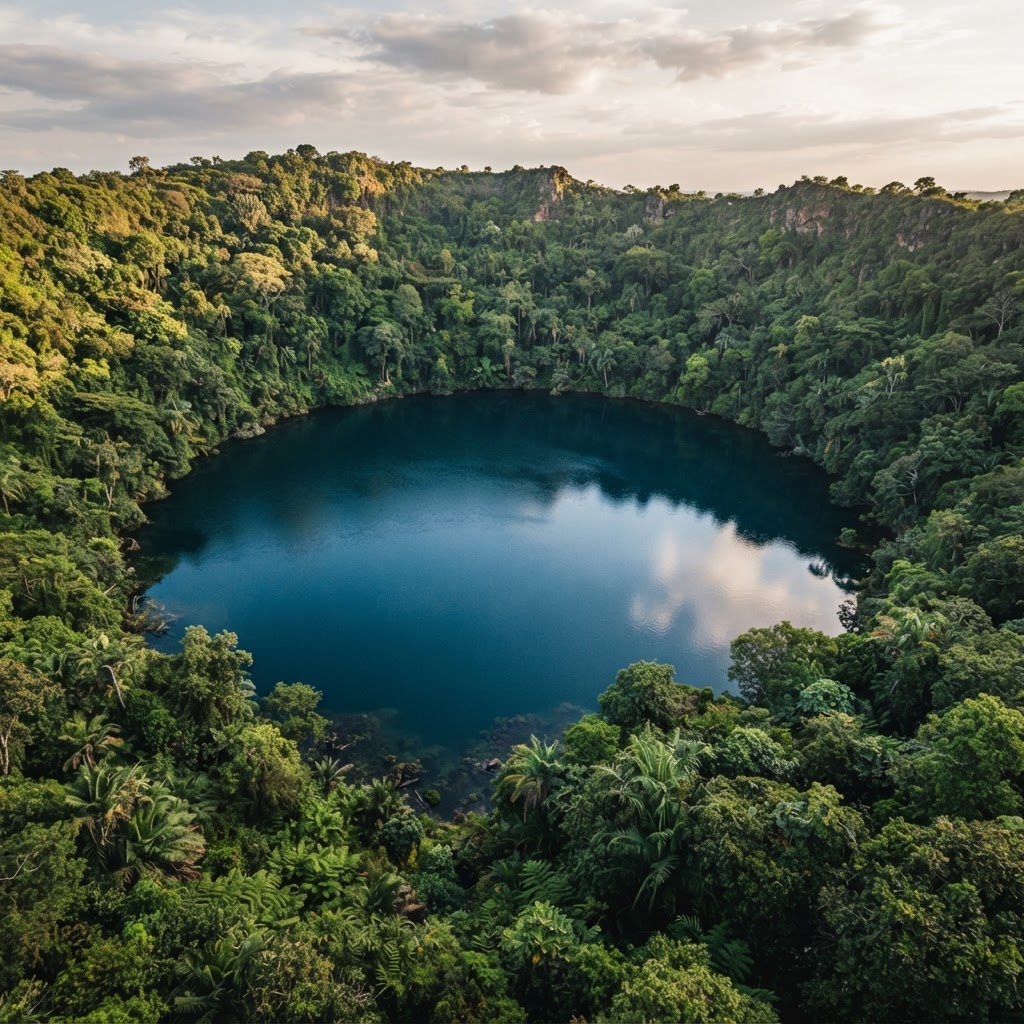
1Discover the rare heritage of the 'Ahmed' elephants in lush volcanic crater forests.
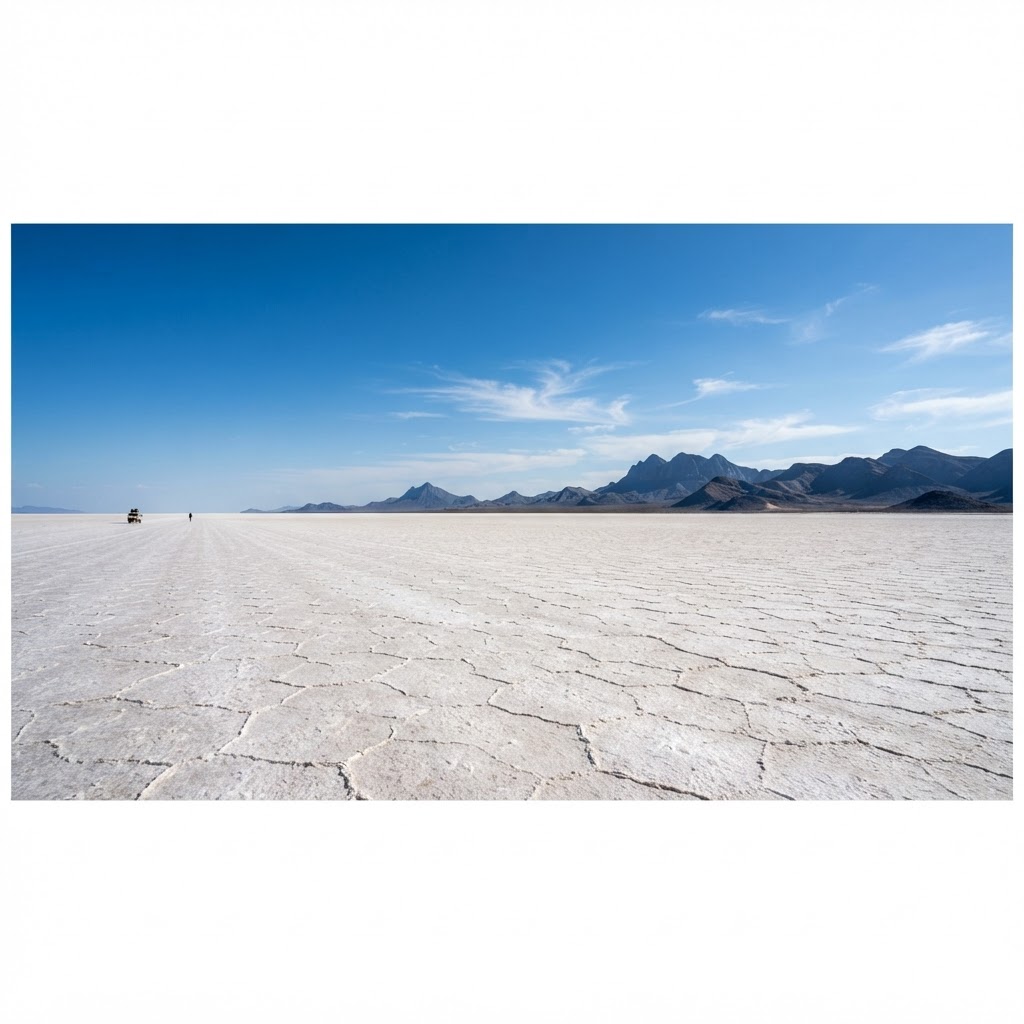
2Experience the surreal, alien landscapes of the massive Chalbi Desert salt flats.
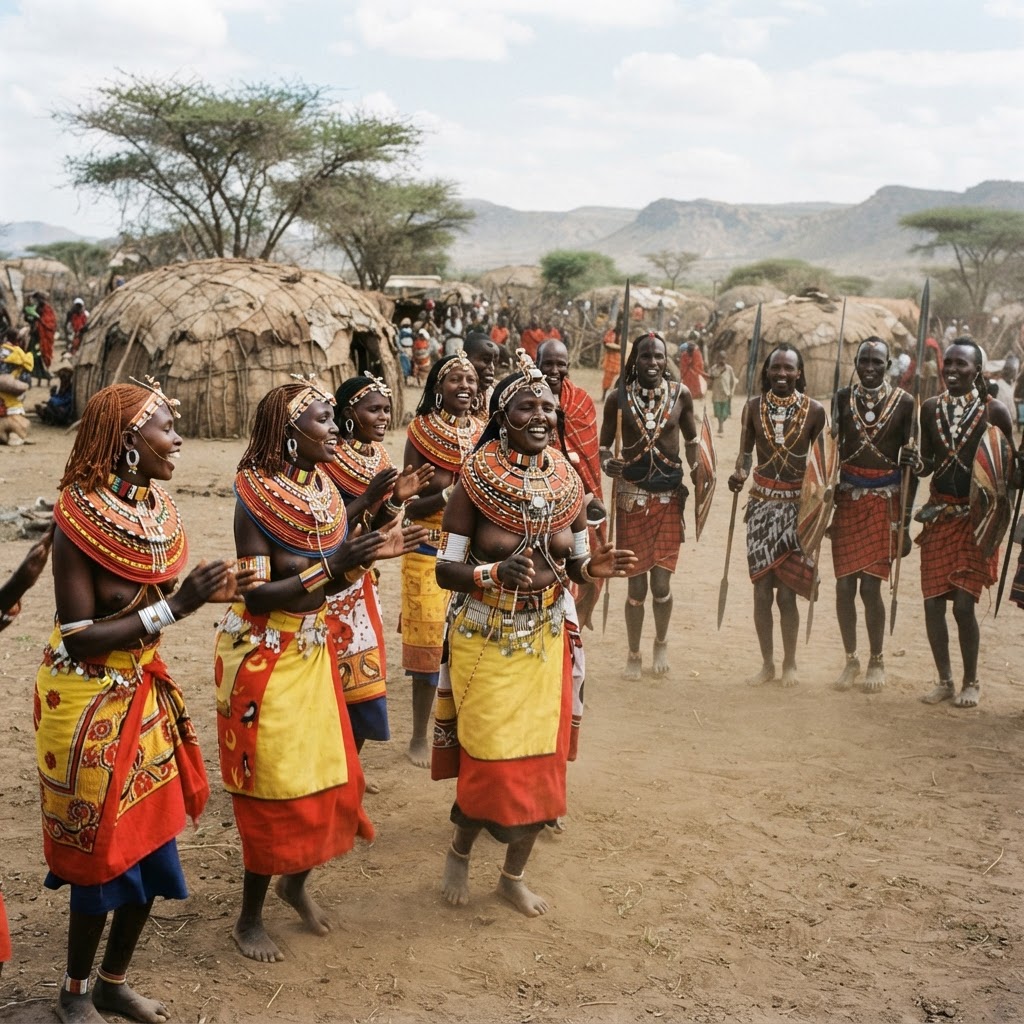
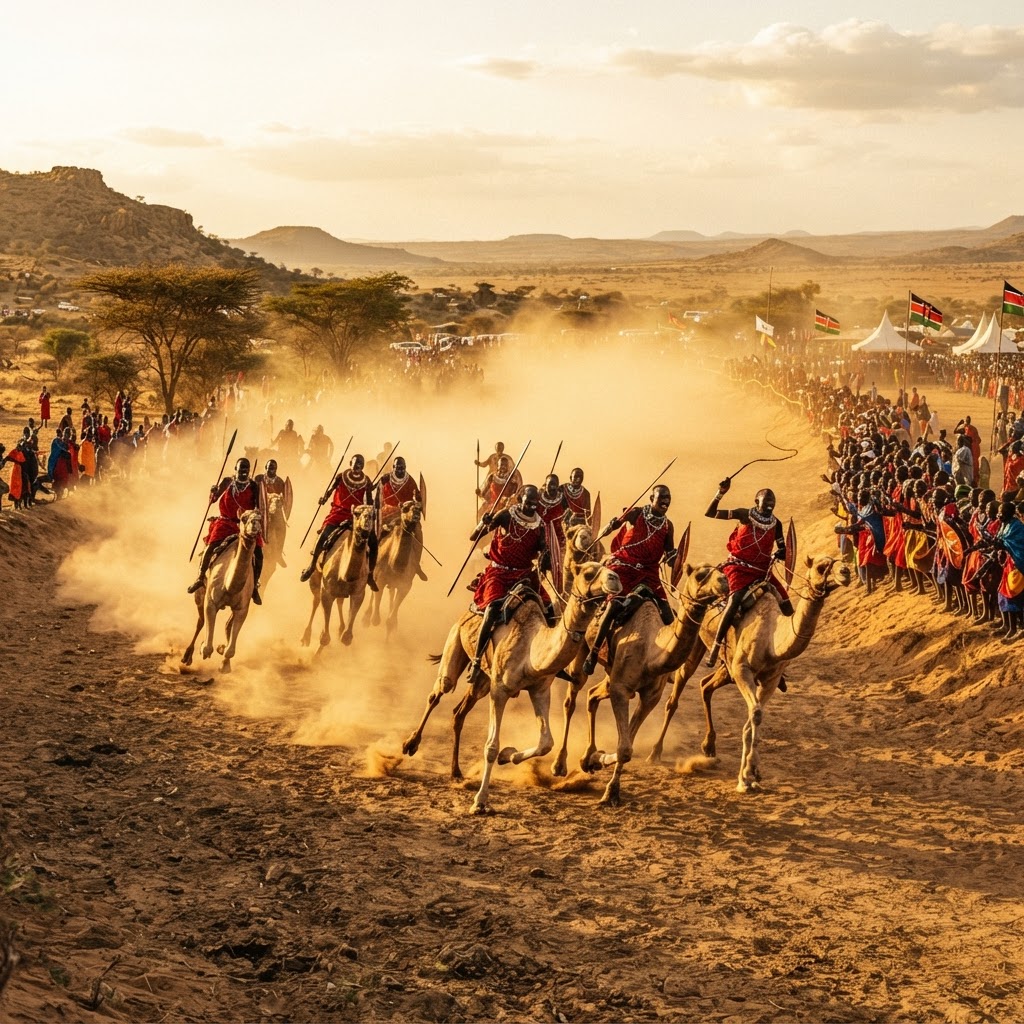
3Engage with the vibrant, ancient nomadic traditions of the Rendille, Gabra, and Borana tribes.
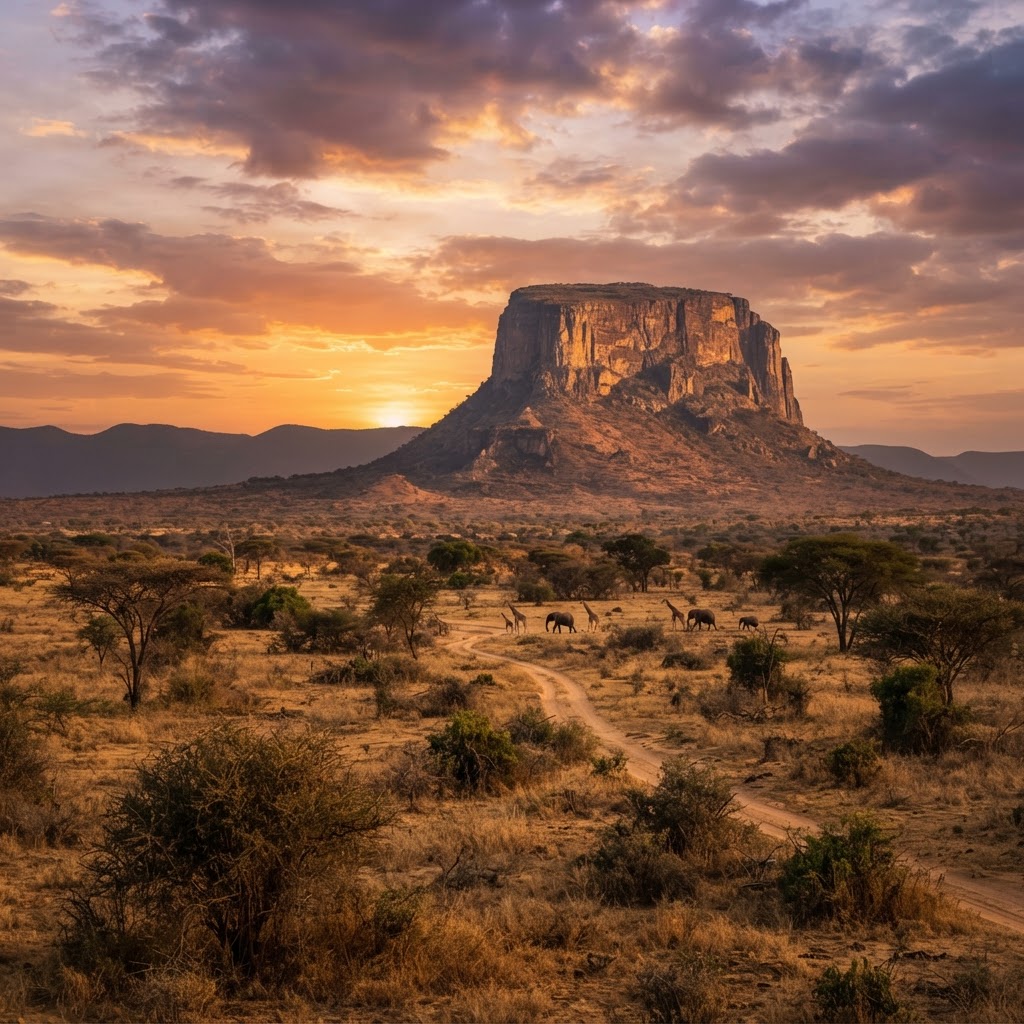
4Hike to the summit of the majestic Mount Ololokwe for panoramic views of the Great Rift Valley.
In a nutshell
Discover the untamed allure of Marsabit County, Kenya. From volcanic craters to the vast Chalbi Desert, plan your ultimate off-road frontier adventure today.
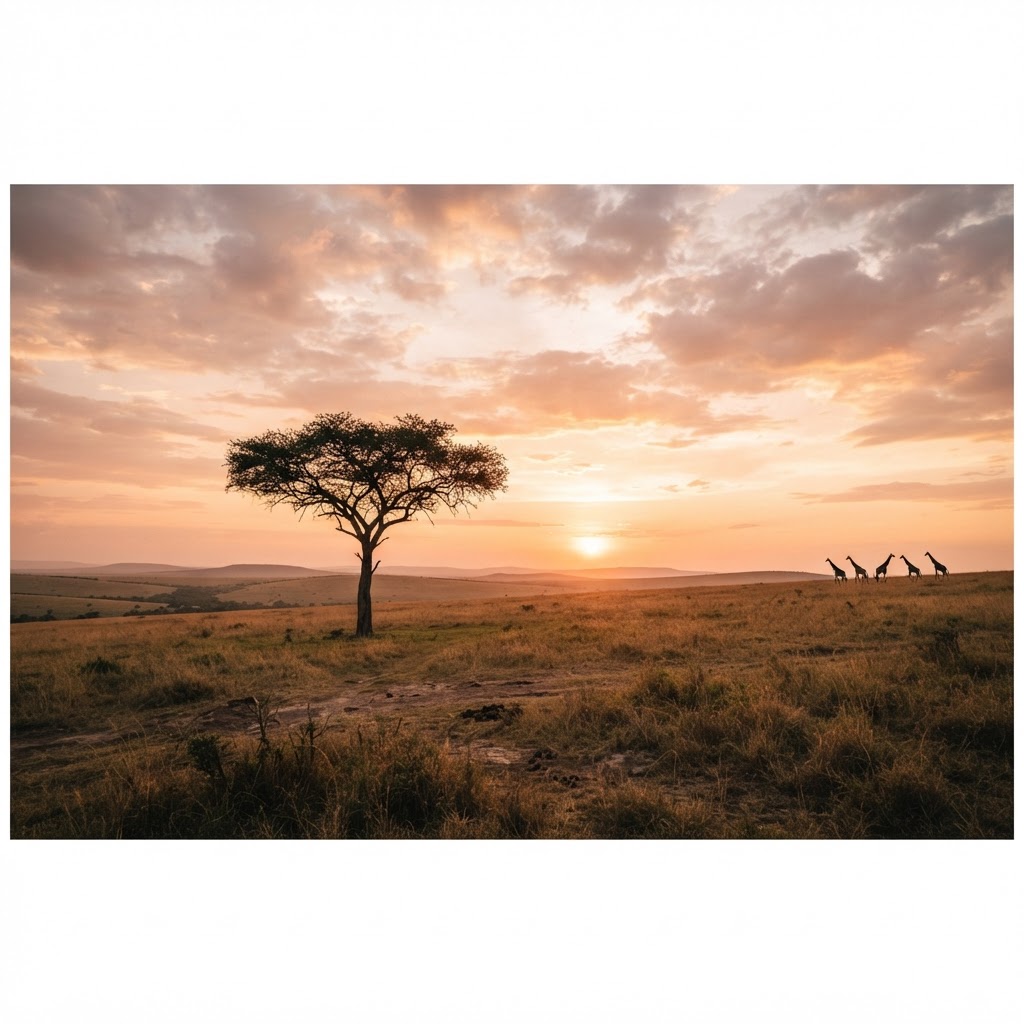
Imagine a land where volcanic craters rise out of the haze like prehistoric sentinels and vast, sun-bleached salt flats stretch beyond the horizon. Marsabit County, the crown jewel of Kenya’s northern frontier, is not merely a destination; it is a profound, high-octane expedition into the raw heart of the African wilderness.
Far removed from the crowded tracks of the Masai Mara, this remote region invites the truly intrepid to trade comfort for wonder. As you navigate the rugged, arid terrain, the silence of the landscape becomes your constant companion, leaving you to walk the path of ancient nomadic trade routes where the heat and the wide-open sky dictate the rhythm of your life.
At a Glance
Discover the rare heritage of the 'Ahmed' elephants in lush volcanic crater forests.
Experience the surreal, alien landscapes of the massive Chalbi Desert salt flats.
Engage with the vibrant, ancient nomadic traditions of the Rendille, Gabra, and Borana tribes.
Hike to the summit of the majestic Mount Ololokwe for panoramic views of the Great Rift Valley.
Why Marsabit County Should Be on Your Radar
Marsabit offers a level of raw, unfiltered authenticity that is increasingly rare in modern tourism. While southern circuits are defined by high-density game viewing, this northern frontier demands self-reliance and offers the rare reward of true solitude.
Authentic Cultural Connections: Experience tribes like the Rendille and Borana, whose heritage remains deeply anchored in centuries-old nomadic lifestyles, relatively untouched by mainstream commercial tourism.
Uncharted Wilderness: Engage with a landscape that feels perpetually undiscovered, featuring dramatic volcanic calderas and expansive desert basins.
Off-Road Mastery: For 4x4 enthusiasts, the tracks from Isiolo to Marsabit provide a challenging, high-reward driving experience that tests navigation and mechanical patience.
Best Time to Visit: Seasonal Insights
Timing is everything in Northern Kenya. Because the landscape is dominated by arid plains, weather patterns can radically alter road conditions and visibility.
Seasonal Weather Guidelines
The Peak Seasons (January–March and June–September): These are the golden months for your expedition. The skies are generally clear, and the lack of rain ensures that the desert tracks are navigable for sturdy 4x4 vehicles.
The Transitional Months (April, May, and November): Expect the 'long rains' and 'short rains' respectively. While the desert blooms with fleeting life, the black-cotton soil in some areas can turn into impassable bogs. Avoid these times unless you are an expert overlander with recovery gear.
Daily Temperature Fluctuations: The desert environment is a study in contrasts. Daytime temperatures easily push past 35°C (95°F), but desert nights drop sharply to 15°C (59°F). Always pack layers to handle this significant swing.
Top Things to Do in Marsabit
Exploring this vast region requires a strategic approach to your itinerary. We recommend prioritizing these five essential experiences to capture the essence of the northern frontier.
Marsabit National Park Exploration: Discover the forested volcanic caldera and the famous tusker elephants.
Chalbi Desert 4x4 Traverse: Conquer the white salt flats with an experienced guide.
Mount Ololokwe Summit Hike: Trek the sacred monolith for unmatched panoramic vistas.
Marsabit Town Cultural Market: Immerse yourself in the commerce and social fabric of local life.
Lake Paradise Photography: Capture the ethereal beauty of the crater lake mists.
Exploring Marsabit National Park
This park is a geological anomaly—a lush, forested island perched inside a massive volcanic caldera. The mists that roll through the trees create a surreal, ethereal atmosphere that serves as a sanctuary for diverse wildlife, including the majestic 'tusker' elephants.
Planning your trip?
Compare accommodation, flights, insurance, and experiences before booking.
Covering vast tracts of the county, the Chalbi is the lowest point in this region. It is a blindingly white expanse of salt flats that mimics a frozen tundra. Driving across it requires caution, as the surface can be deceptive. It is highly recommended to hire a local guide who knows the shifting patterns of the sands and the locations of seasonal oases.
Climbing Mount Ololokwe
Rising like a fortress from the flat plains, Mount Ololokwe is considered a sacred site by the Samburu people. A 3-4 hour hike takes you to the top of this flat-topped monolith, where the reward is a dizzying, panoramic vista of the surrounding Matthews Range and the distant northern horizons.
Where to Stay in the North
Finding a base in the north requires choosing between remote wilderness access and local cultural immersion. You can Find Your Stay to identify accommodations that match your adventure profile.
Luxury Eco-Tented Camps: Often positioned for optimal views, these offer a comfortable retreat without compromising the integrity of the fragile desert ecosystem.
Community-Run Eco-Lodges: These are arguably the best way to support the local Gabra and Borana communities directly. Your stay helps fund vital education and water projects.
Marsabit Town Guesthouses: Ideal for those on an overlanding expedition who need basic, clean, and secure shelter between long drives on the A2 highway.
Local Food & Culture
Food in Marsabit is a reflection of the nomadic lifestyle—simple, hearty, and communal. You will frequently find 'nyama choma' (flame-grilled goat or beef) served with 'ugali' (maize porridge), the quintessential fuel for a day spent on the road.
Cultural Etiquette Essentials
Respectful Interaction: Always seek explicit permission before photographing local individuals, especially those in traditional nomadic attire. Engaging in a brief conversation first is a sign of respect.
Modest Dress: Northern Kenya is culturally conservative. Both men and women should dress modestly, keeping shoulders and knees covered, especially when visiting villages or the town market.
Tipping Culture: While not always expected in the deepest rural areas, a small, thoughtful gesture—such as donating supplies to a local school or giving a modest tip to a guide—is highly appreciated.
Safety and Sustainability
Safety is the foundation of any successful trip to the Northern Frontier. You are entering a zone where mobile signals are intermittent and medical facilities are sparse.
Essential Safety Protocols
Certified Guidance: Never attempt a deep-desert traverse without a local guide. Their knowledge of road conditions and local geography is worth far more than the cost of their daily rate.
Health Precautions: Carry a robust, medical-grade first-aid kit. Dehydration is a silent threat; always carry at least 10 liters of extra drinking water in your vehicle at all times.
Communication: Satellite phones or devices like the Garmin inReach are recommended, as standard mobile networks often fail once you leave the main highway arteries.
Sustainable Travel Best Practices
Leave No Trace: Ensure you pack out absolutely everything you bring in. The desert, due to its harsh conditions, takes decades to decompose even minor waste.
Ethical Consumption: Purchase your supplies and souvenirs directly from local artisans in the villages to ensure profits remain with the creators.
Water Management: Use gravity-fed purification systems instead of purchasing single-use plastic bottles. Every drop counts in a region where water scarcity is an ongoing reality.
Practical Travel Information
Logistical planning for Marsabit can be complex. You should Check Visa Requirements and ensure all your internal permits are in order if you plan to visit protected zones. We suggest you Browse Car Rentals for specialized 4x4 vehicles if you are not driving your own.
Transport: The A2 highway from Nairobi is the primary vein of entry. Budget 10–12 hours for the drive to Marsabit Town, and always travel during daylight hours.
Financials: Cash is king. ATMs are virtually non-existent outside of the main town center, so carry sufficient Kenyan Shillings for fuel, food, and guide fees.
Connectivity: Treat the internet as a luxury. Download all offline maps, music, and travel guides before departing from major urban centers.
Final Thoughts: Your Northern Adventure Awaits
Marsabit County is a place where you inevitably lose your sense of time, replaced by a profound, grounding connection to the earth beneath your boots. Whether it is the cool mist atop a forest-clad volcanic crater or the blinding, beautiful heat of the salt flats, this region changes the way you look at the world.
The north is not for the faint of heart, but for those who answer its call, the rewards are absolute. Ready to begin your journey? Explore Things to Do in our calendar and start planning your bespoke itinerary.
Frequently Asked Questions
Find the Perfect Stay
Explore hotels, resorts, apartments, and unique stays curated for your destination.
Marsabit County represents the untamed core of Northern Kenya, characterized by dramatic volcanic landscapes, arid salt pans, and rich, resilient nomadic cultural heritage.