1Experience a unique blend of African, Arab, and Portuguese cultures.
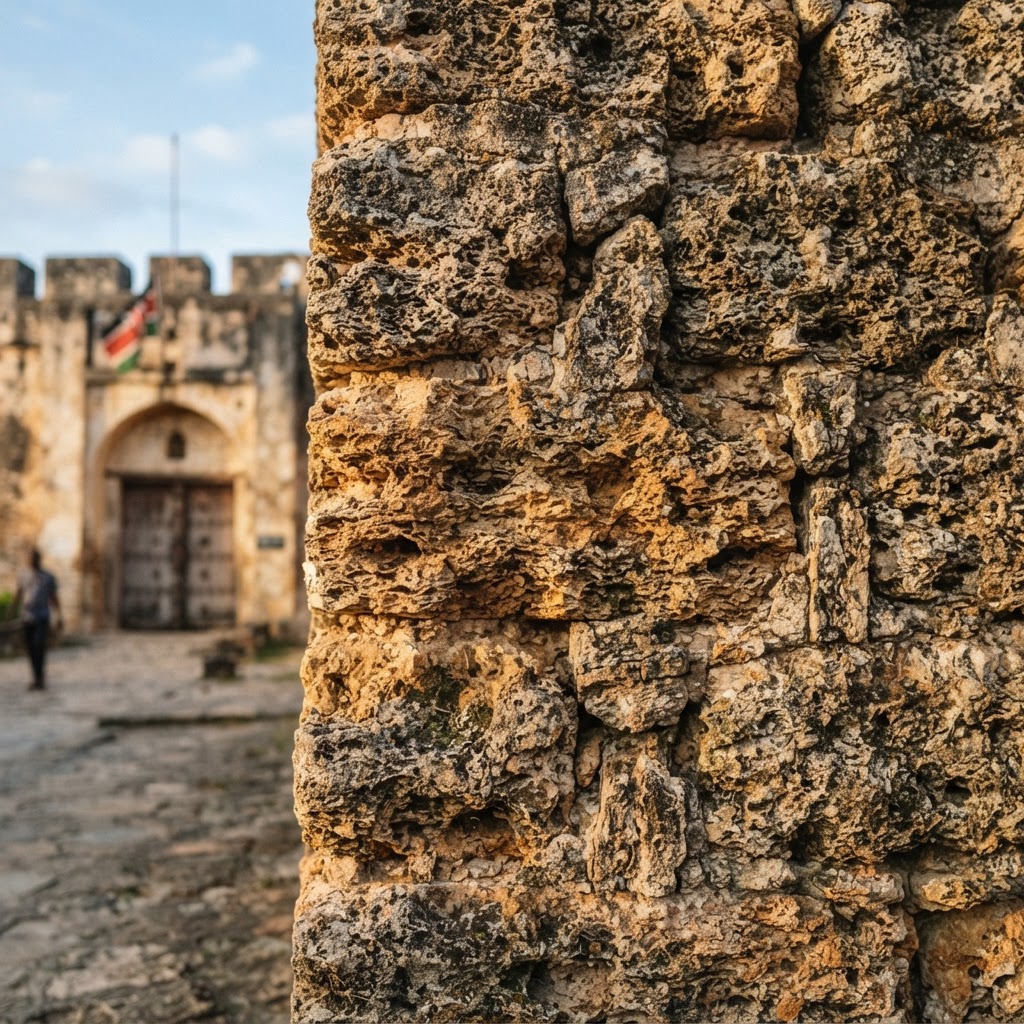
2Explore historic sites like the UNESCO-listed Fort Jesus.
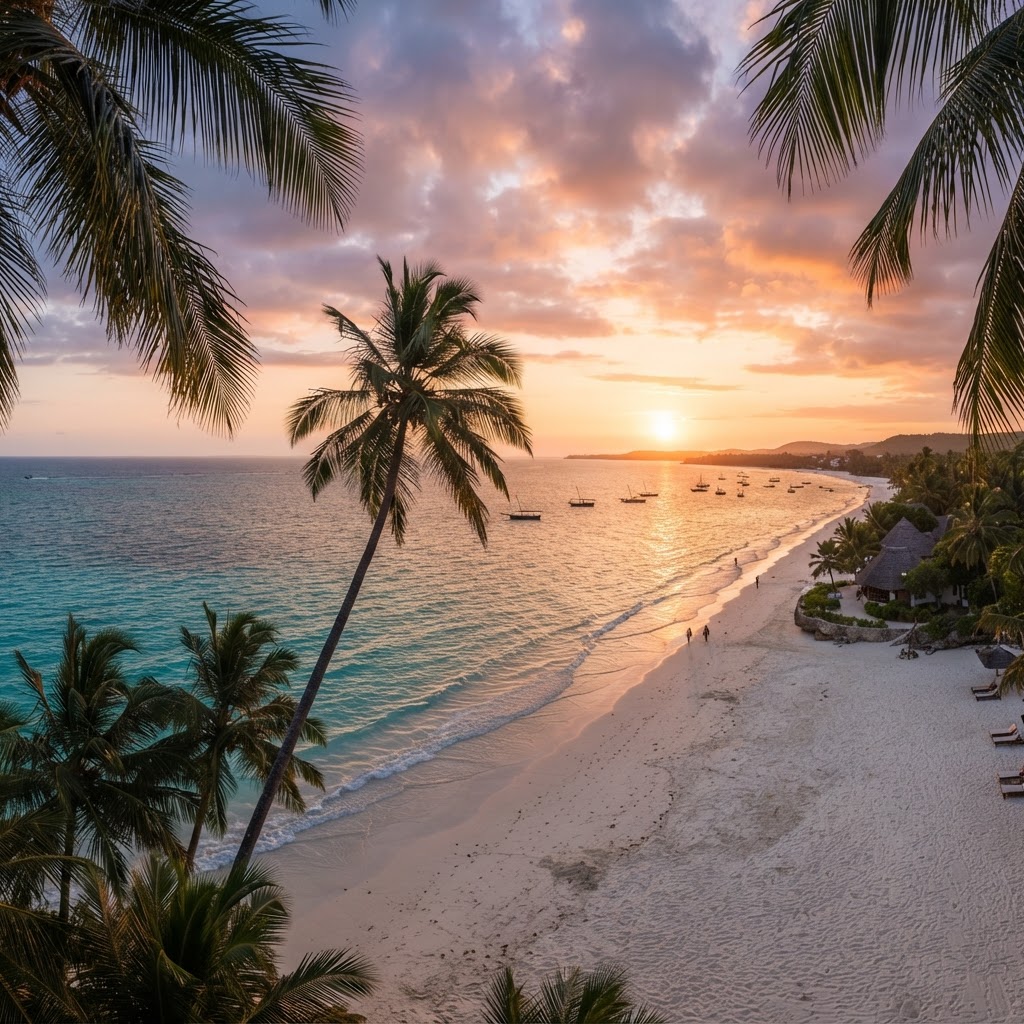
3Relax on pristine beaches or snorkel in the Marine National Park.
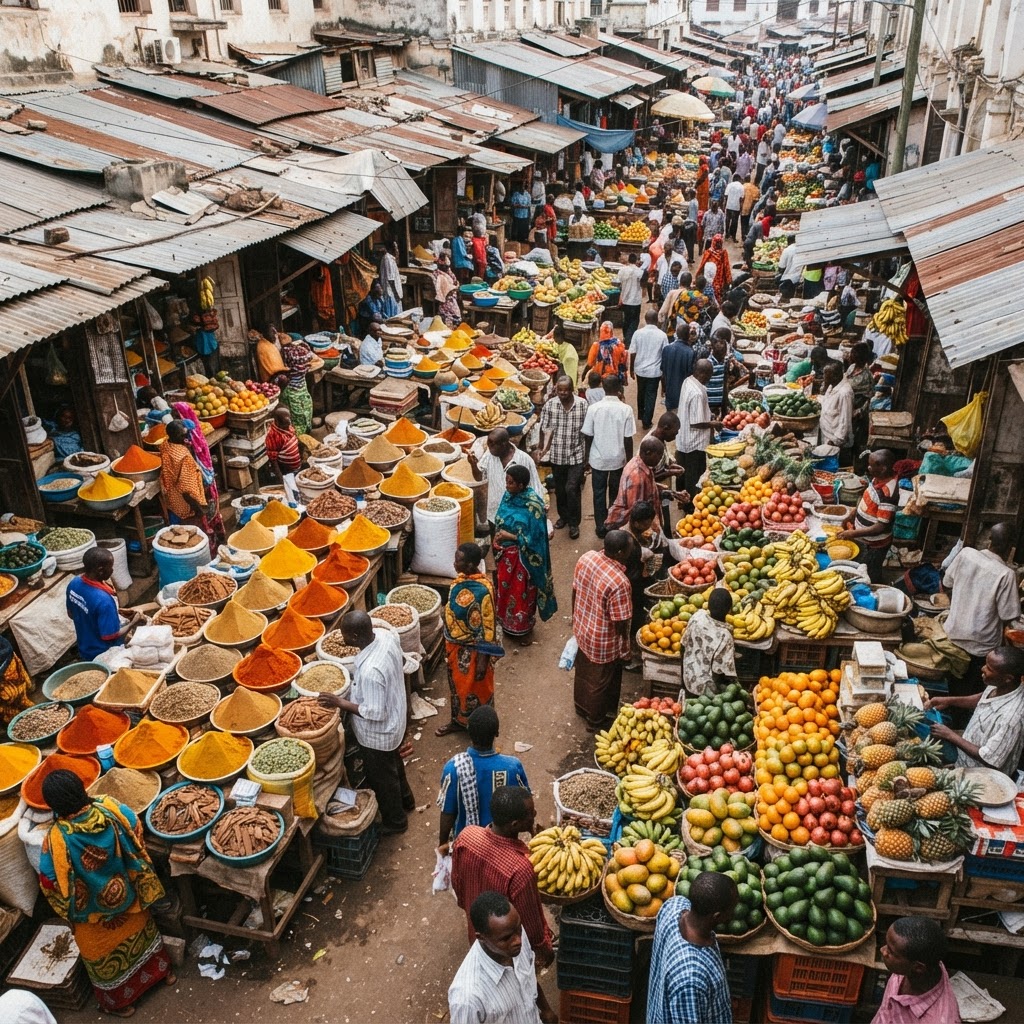
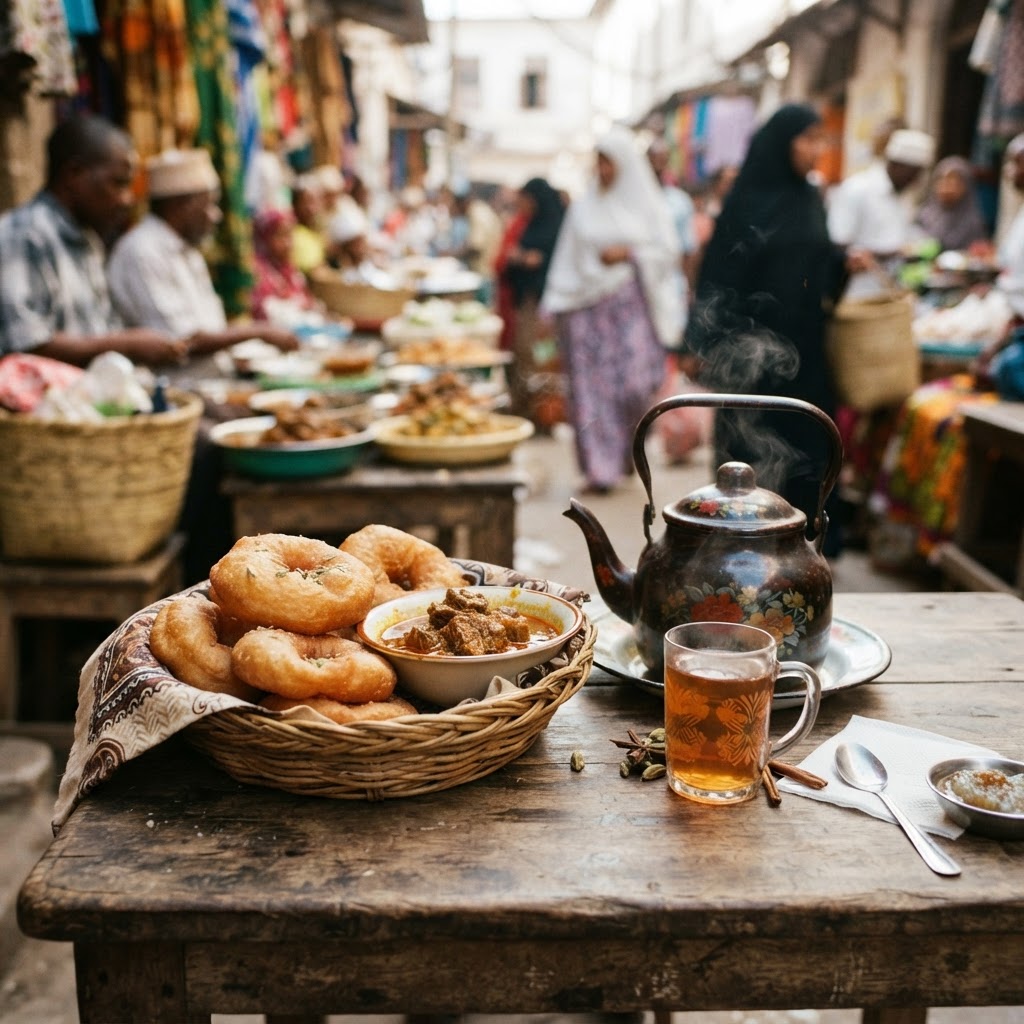
4Enjoy world-class Swahili fusion cuisine and vibrant local markets.
In a nutshell
Discover the vibrant fusion of history, culture, and pristine beaches in Mombasa. Our guide covers everything you need for the perfect Kenyan coastal escape.
Experience a unique blend of African, Arab, and Portuguese cultures.
Explore historic sites like the UNESCO-listed Fort Jesus.
Relax on pristine beaches or snorkel in the Marine National Park.
Enjoy world-class Swahili fusion cuisine and vibrant local markets.
Mombasa is a sensory masterpiece where the turquoise Indian Ocean meets the ancient, aromatic alleyways of a storied past. As you step onto this vibrant island city, you are greeted by the warm, humid breeze, the call to prayer echoing over the rooftops of Old Town, and the promise of endless white sand beaches that stretch as far as the eye can see.
Whether you are seeking historical immersion or a tranquil tropical escape, Mombasa serves as the ultimate gateway to the Kenyan coast. It is a place where every corner tells a tale of spice traders, ancient navigators, and the enduring spirit of the Swahili people.
Why Mombasa Should Be on Your Radar
Mombasa is not just a transit point; it is a profound cultural experience that demands your full attention. Unlike other coastal destinations, this city offers a unique synthesis of African, Arab, and Portuguese influences that you can feel in the architecture and taste in the fusion cuisine.
As an AdvaTrav traveler, you will find that the local pace—pole pole (slowly, slowly)—is exactly what you need to disconnect from the frantic world. This isn't just a destination; it's a living history lesson wrapped in a blissful beach vacation.
Why Travelers Love Mombasa
Cultural Diversity: A rich tapestry of heritage visible in every street.
Architectural Wonders: From ancient forts to intricately carved wooden doors.
Relaxed Atmosphere: The coastal lifestyle prioritizes wellness and leisure.
Authentic Connection: Opportunities to support local artisans and family-run eateries.
Local Expertise and Authenticity
Having traversed the winding streets of Old Town and sampled street food at the nightly markets, I can tell you that the true spirit of Mombasa resides in its narrow lanes and hidden courtyard cafes.
Beyond the resort walls, you find a city that is fiercely proud of its Swahili roots. By engaging with local artisans and dining at independent, family-run eateries, you support the community while getting an authentic glimpse into the daily lives of the coastal population.
Best Time to Visit: Seasonal Insights
Mombasa enjoys a tropical climate, but planning is key to maximizing your sunshine hours. Understanding the seasonal shifts ensures you get the most out of your coastal adventure.
Seasonal Weather Breakdown
Peak Season (December to March): Ideal for beach enthusiasts. Expect bright, cloudless skies and warm temperatures averaging 30°C.
The Trade Winds (June to October): Cooler and less humid. Perfect for those who find the intense heat of the peak season a bit much, though sea conditions can be slightly choppier.
Rainy Seasons (April-May & November): The "long rains" can be heavy, but if you love lush landscapes and thinner crowds, this is your secret window for budget travel.
Top Things to Do in Mombasa
Planning your trip?
Compare accommodation, flights, insurance, and experiences before booking.
Explore the historic ramparts of Fort Jesus, a masterpiece of 16th-century Portuguese engineering.
Wander the intricate, coral-stone alleys of Old Town, stopping for fresh coffee at a local dhow-style cafe.
Snorkel in the Mombasa Marine National Park to witness vibrant coral reefs and sea turtles.
Relax at Diani Beach, consistently voted one of the world's best, located just south of the city.
Experience the sensory overload of Marikiti Market, the city's most famous produce and spice bazaar.
Deep Dive: Historical and Nature Sites
Discovering Fort Jesus: This UNESCO World Heritage site is the most iconic landmark in the city. Built in 1593 to protect the Portuguese port, it has survived various sieges and occupations. Walking through its bastions offers a haunting yet fascinating look at the colonial history of East Africa.
The Magic of Old Town: This neighborhood is an architectural treasure. The intricate wooden balconies, carved Zanzibari-style doors, and crumbling coral walls provide a perfect backdrop for photography.
Marine Life and Coastal Wonders: Nature enthusiasts shouldn't miss the Mombasa Marine National Park. Glass-bottom boat rides allow you to see the vibrant reef without even needing to be an expert swimmer.
Where to Stay in Mombasa
Mombasa offers everything from backpacker hostels to five-star sanctuaries. Choosing the right neighborhood can transform your trip from a simple vacation into a curated local experience.
Accommodation Options
Luxury Resorts: Mostly found along the North Coast (Nyali) or further south in Diani, offering infinity pools and direct beach access.
Boutique Stays: Best found within Old Town for those wanting historical proximity.
Budget Hotels: Look for guesthouses in the Bamburi area which offer proximity to nightlife and the beach at a fraction of the cost.
Swahili cuisine is the backbone of the local identity. You must try Biryani and Pilau (spiced rice dishes), which are staples of every celebration. Seafood is always fresh, with Changu (coral trout) being a local favorite.
Culinary Recommendations
Street Food: Try Mahamri and fresh coconut water from local vendors.
Local Favorites: Order Changu (coral trout) for the freshest catch of the day.
Dining Etiquette: Always try to eat with your right hand when enjoying traditional meals.
Cultural Insights & Etiquette
Understanding local norms is crucial for a respectful visit. Mombasa is a predominantly Muslim city, and modesty is highly valued by the local community.
Essential Travel Tips
Dress Modestly: Cover your shoulders and knees when exploring the city or visiting religious sites.
Tipping: While not strictly mandatory, leaving a 10% tip for good service in restaurants is highly appreciated.
Greetings: A warm "Jambo" or "Habari" will go a long way in building rapport with locals.
Safety and Sustainability
While generally welcoming, remain vigilant as you would in any major city. Sustainable tourism also ensures the coast remains pristine for generations to come.
Practical Safety and Eco-Tips
General Safety: Avoid displaying expensive jewelry in crowded public spaces, and stick to registered taxis or ride-sharing apps like Uber after dark.
Plastic Usage: Bring a reusable water bottle, as single-use plastic is a significant issue on the coast.
Wildlife Protection: Never participate in activities that involve keeping animals in captivity for photo opportunities.
Practical Travel Planning
Navigating the city is easy once you know your options. From transportation to visa logistics, preparation is the key to a smooth journey.
Travel Logistics
Transportation: Tuk-tuks are the best way to zip through Old Town, while private taxis are better for airport transfers.
Inter-city Travel: The SGR train to Nairobi is a game-changer for comfort and speed.
Car Rentals:Browse Car Rentals if you plan on exploring the deeper coastal regions independently.
Final Thoughts
Mombasa captures the soul of East Africa in a way few other cities can. From the echoes of the spice trade to the gentle rustle of palm trees on the beach, it is a destination that demands to be felt. Explore Things to Do and start crafting your itinerary today.
Frequently Asked Questions
Find the Perfect Stay
Explore hotels, resorts, apartments, and unique stays curated for your destination.