Mount Longonot Hike: The Ultimate Guide to Kenya's Iconic Volcano | AdvaTrav
AdvaTrav Travel TeamAugust 13, 20266 min read
✨ Key Takeaways
1Iconic dormant volcano hiking experience in the Great Rift Valley.
2Requires moderate physical fitness for a 7.2km crater rim circuit.
3Best visited during the dry seasons (Jan–March, June–Oct).
4Home to unique biodiversity including giraffes, zebras, and native bird species.
In a nutshell
Discover the thrill of hiking Mount Longonot, Kenya’s iconic volcano. This comprehensive guide covers trails, safety tips, and local secrets for an epic day.
Iconic dormant volcano hiking experience in the Great Rift Valley.
Requires moderate physical fitness for a 7.2km crater rim circuit.
Best visited during the dry seasons (Jan–March, June–Oct).
Home to unique biodiversity including giraffes, zebras, and native bird species.
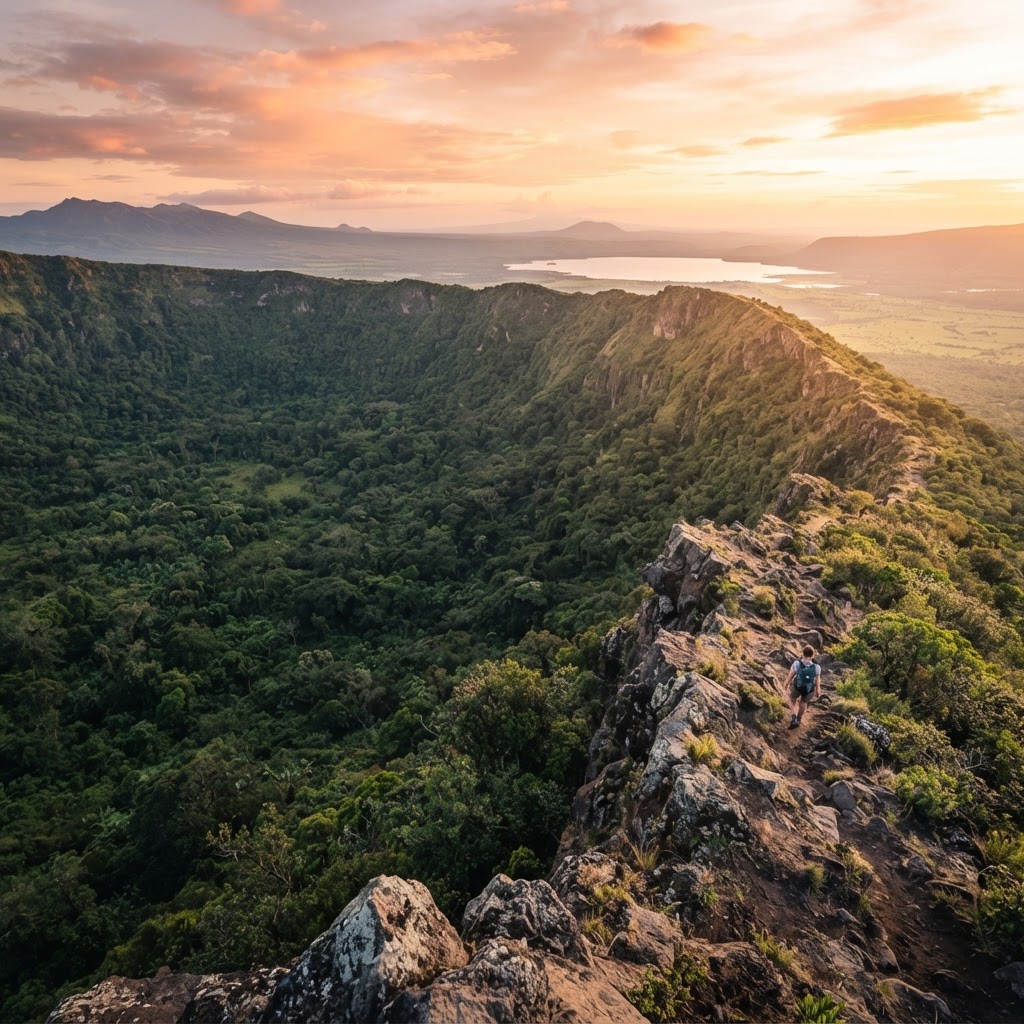
The morning air is crisp, biting at your skin as you stand at the base of a jagged, towering silhouette. Before you lies Mount Longonot, a dormant volcano that serves as a silent, majestic sentinel over the Great Rift Valley.
This isn't just a hike; it’s an ascent into the prehistoric heart of Kenya. Whether you are seeking the adrenaline of a vertical climb or a meditative walk around the crater rim, this geological masterpiece offers a sensory explosion of volcanic dust, sweeping vistas, and untamed African bushland.
Why Mount Longonot Should Be on Your Radar
Mount Longonot stands as a premier destination for those who crave authentic, raw adventure. Unlike the high-altitude challenges of Mount Kenya, this peak provides a perfectly balanced challenge for adventurers of all skill levels.
Local experts at AdvaTrav often recommend this as a benchmark for hiking fitness. It is accessible yet demanding, offering a unique opportunity to peer into a caldera that feels worlds away from the urban sprawl of Nairobi.
Key Hike Statistics
Distance from Nairobi: Roughly 90km, providing an easy 1.5 to 2-hour morning drive.
Geological Status: A classic, well-preserved stratovolcano featuring a 7.2km crater rim circuit.
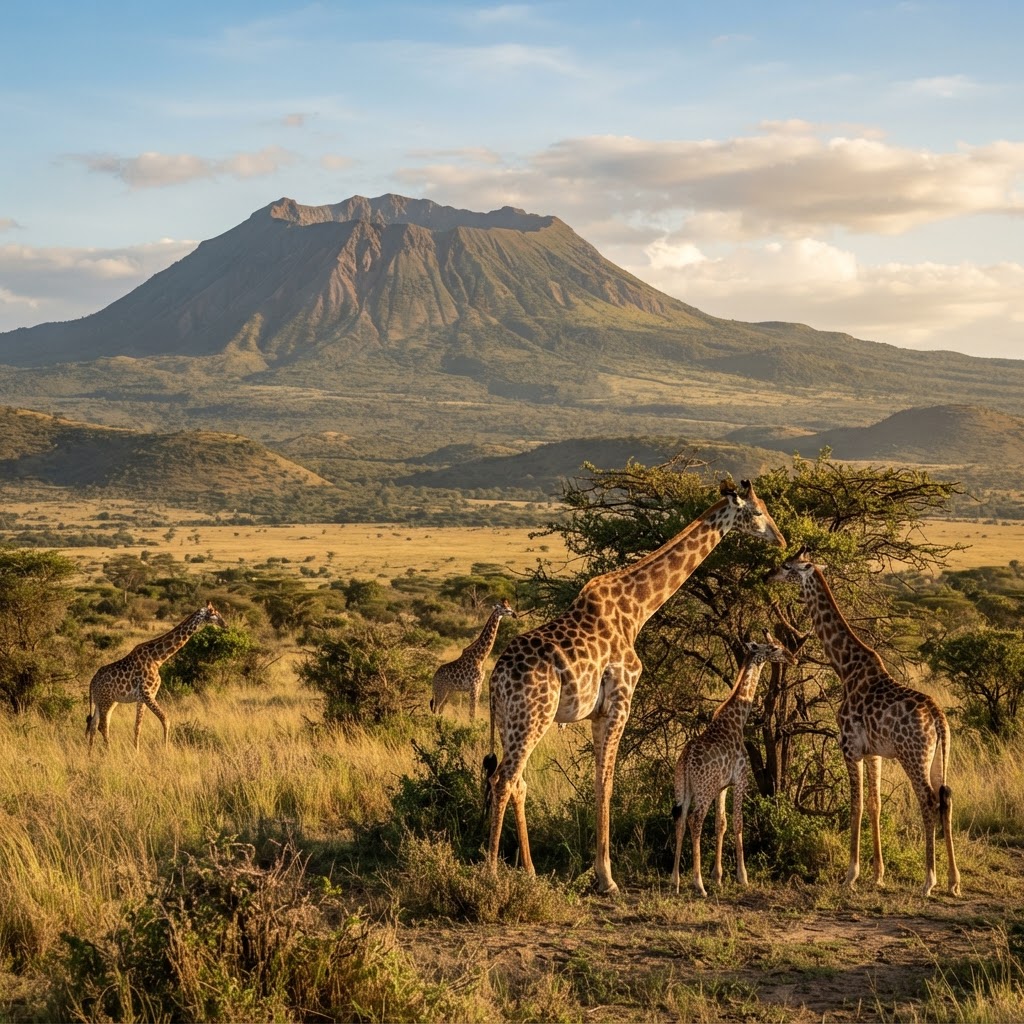
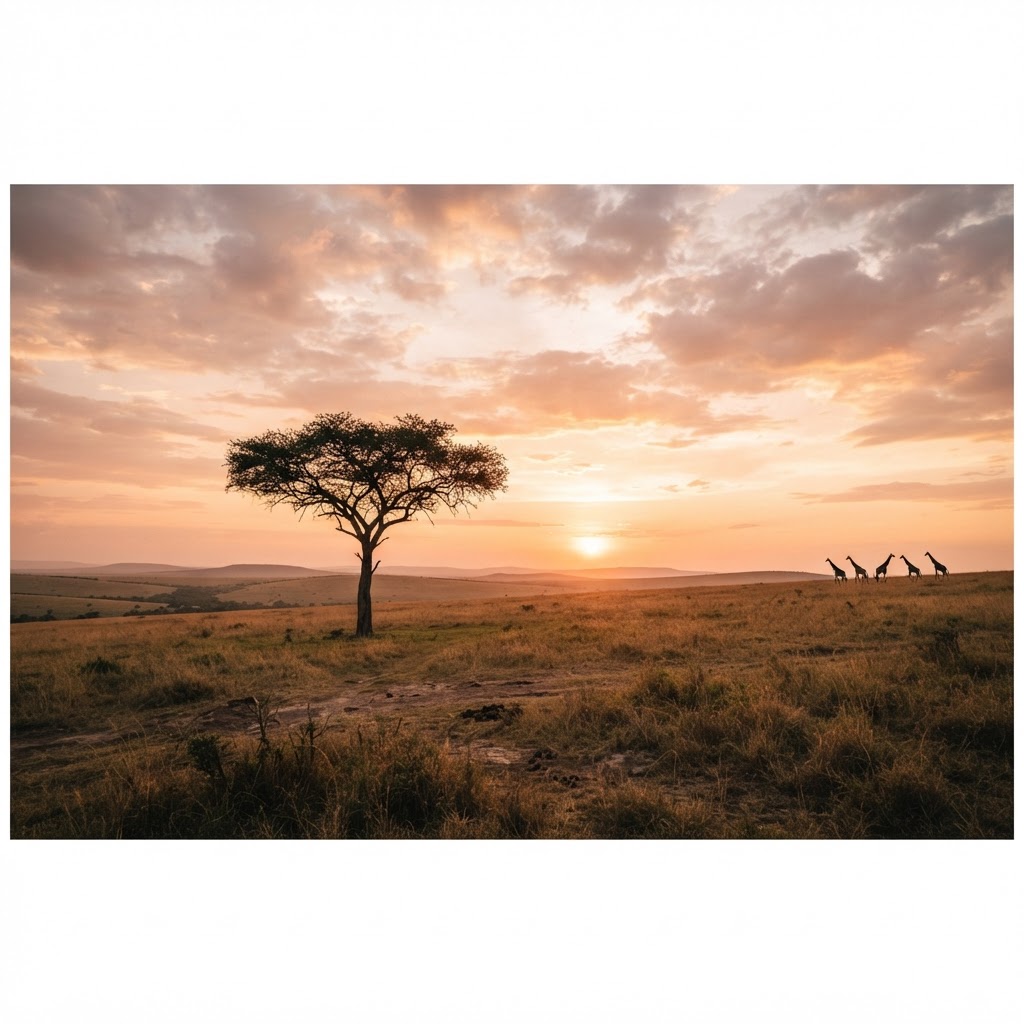
Wildlife Encounters: Home to zebras, giraffes, and various bird species residing within the crater floor.
Best Time to Visit and Seasonal Insights
To capture the best views and ensure physical comfort, timing is everything. Kenya’s weather is generally conducive to hiking year-round, but specific seasons offer distinct advantages for trekkers.
Optimal Hiking Conditions
Dry Seasons (January–March, June–October): These are the optimal months for the Mount Longonot hike. The trails remain firm, minimizing the risk of slips on loose volcanic scree.
Rainy Seasons (April–May, November–December): While the park is lush and vibrant, paths become muddy and slippery, making the steep ascent more hazardous for inexperienced hikers.
Top Things to Do at the Volcano
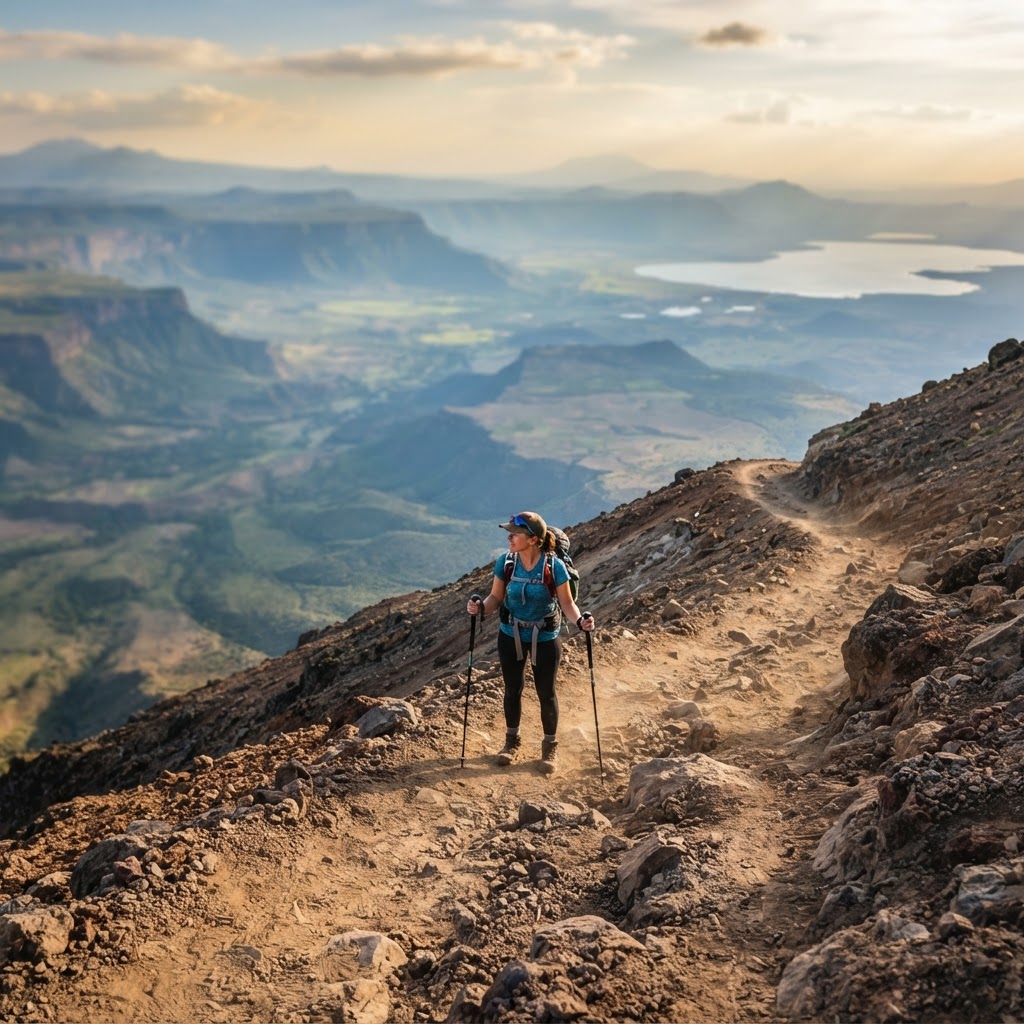
Conquer the Summit Trail: The primary goal for most visitors, involving a steep, rewarding climb.
Circumnavigate the Crater Rim: A 7.2km loop for those with extra stamina seeking panoramic vistas.
Wildlife Spotting: Observe giraffes and gazelles roaming in the plains surrounding the park.
Picnic at the Base: Relax under the iconic acacia trees after your descent to recharge.
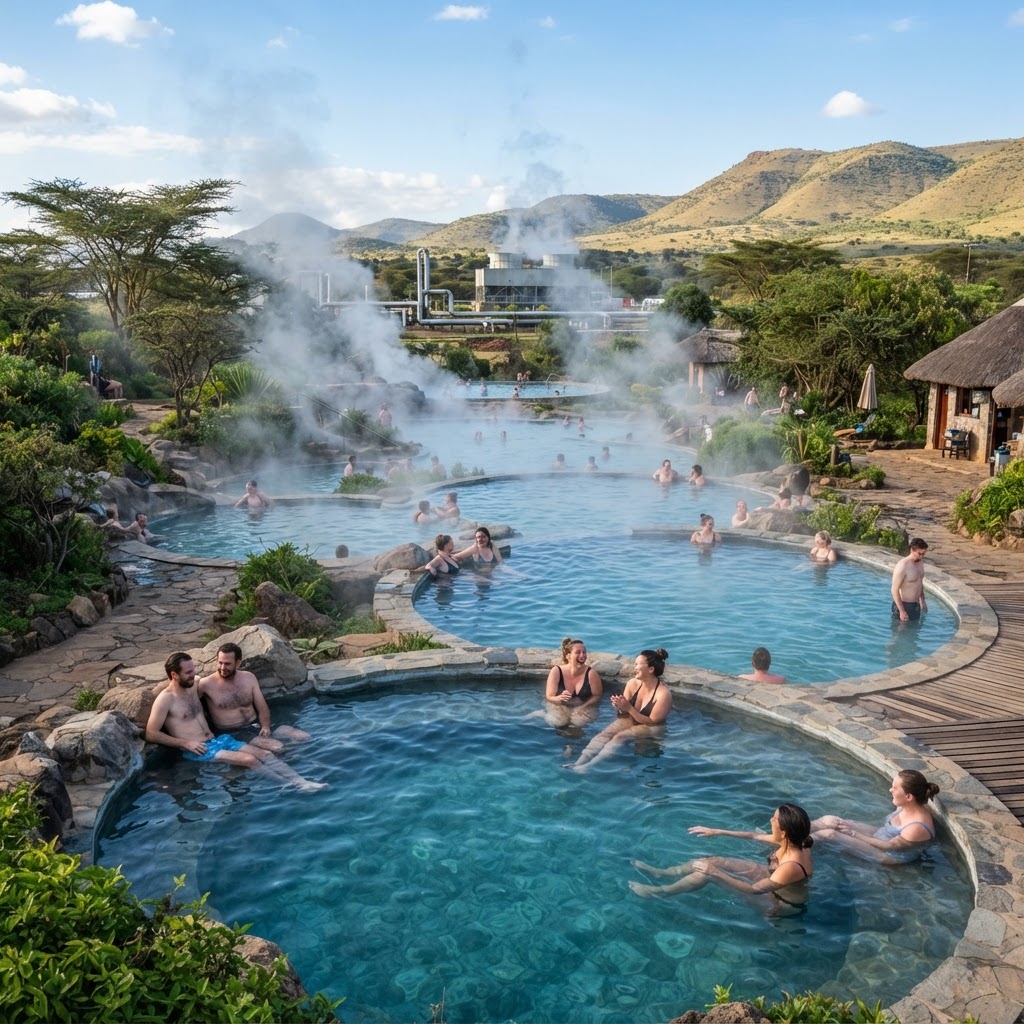
Visit the Olkaria Geothermal Spa: A must-do nearby relaxation spot to soak your muscles.
The Summit Challenge
The hike begins with a steep, relentless incline that demands endurance. You will gain roughly 600 meters in a short distance, testing your cardiovascular health immediately.
Pacing: Pace yourself carefully, as the fine volcanic dust can cause rapid fatigue.
Hydration: Stay hydrated throughout the ascent to maintain peak performance.
Planning your trip?
Compare accommodation, flights, insurance, and experiences before booking.
Once you reach the rim, the landscape shifts dramatically. The trail becomes a rolling, scenic path around the massive crater, providing a surreal sense of scale.
Photography: This is where you find the most breathtaking views of the crater floor.
Forest Canopy: Peer down into the lush, protected forest that has reclaimed the crater interior.
Nearby Naivasha Attractions
After the hike, Naivasha attractions provide the perfect wind-down. You can spend the afternoon exploring the vibrant landscapes of the Rift Valley.
Recommended Post-Hike Activities
Boat Safari: Head to Lake Naivasha to witness hippos and diverse waterbirds.
Thermal Relaxation: Visit the Olkaria Geothermal Spa to soak in heated volcanic waters, ideal for soothing tired muscles.
Where to Stay and Accommodation Options
Finding the right base camp is crucial for an early start. Whether you prefer luxury lodges or budget-friendly campsites, Naivasha has a variety of options to suit every traveler.
Stay Options Near the Crater
Lake Naivasha Sopa Resort: Excellent for those seeking mid-range to luxury comfort.
Fisherman’s Camp: A popular, vibrant spot for budget travelers and adventurous hikers.
KWS Campsite: The perfect choice for total outdoor immersion.
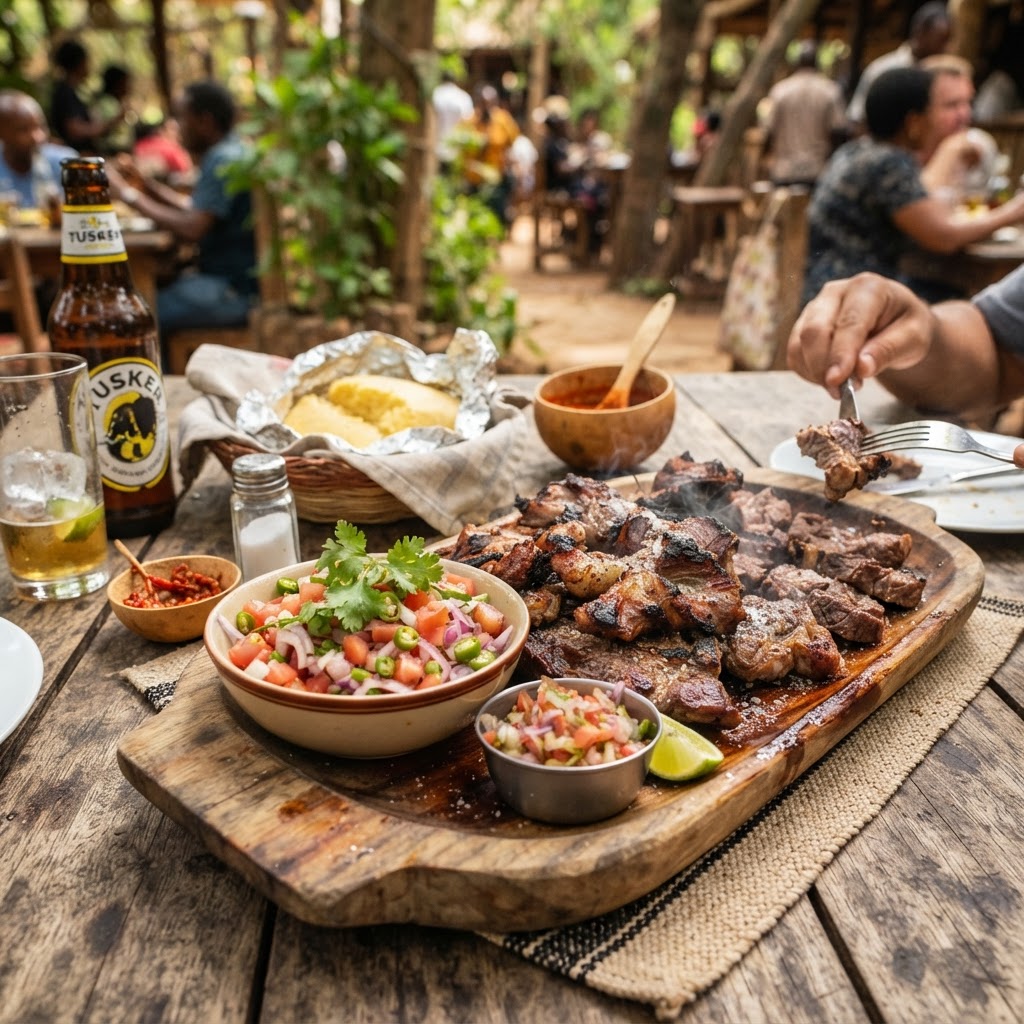
When dining in the Rift Valley, look for 'Nyama Choma' (roasted meat), a staple of Kenyan culinary culture. It is best enjoyed with 'Ugali' (maize meal) and 'Kachumbari' (a fresh tomato and onion salad).
Cultural Guidelines
Greetings: Always offer a polite 'Jambo' or 'Habari' to locals and park rangers.
Dress Code: While hiking attire is standard, it is respectful to dress modestly in surrounding villages.
Tipping: If hiring a local guide, a tip of 500–1000 KES is considered generous and appreciated.
Safety and Sustainability
Safety is paramount when exploring volcanic terrain. Always register with the Kenya Wildlife Service (KWS) at the gate and ensure you follow park regulations.
Essential Safety Protocols
Park Entry: Confirm current KWS park tariffs online before arrival.
Hydration: Carry at least 3 liters of water per person.
Solo Hiking: Avoid solo hiking if possible to ensure group safety.
Environmental Impact: Pack out everything you pack in and stay on marked trails to prevent erosion.
Practical Travel Tips
Connectivity: Mobile signal is generally good, but don't rely on it for navigation.
Gear: Pack a hat, sunscreen, high-quality hiking boots with ankle support, and a light windbreaker.
Mount Longonot is more than a hike; it is an invitation to explore the volcanic heart of the Rift Valley. With proper preparation and a spirit of adventure, it remains one of the most rewarding excursions in East Africa.