Nairobi County Travel Guide: The Ultimate Guide to Kenya's Capital
AdvaTrav Travel TeamAugust 12, 202610 min read
✨ Key Takeaways
1Home to the world's only urban National Park.
2A global center for wildlife conservation and research.
3Rich cultural tapestry featuring Maasai, Kikuyu, and international influences.
4Dynamic food scene from street-side 'nyama choma' to fine dining.
5Strategic base for exploring the Great Rift Valley and nearby safari circuits.
In a nutshell
Explore Nairobi County, Kenya, through our expert guide. Discover urban safaris, vibrant culture, and essential travel tips for your East African adventure.
Nairobi County Travel Guide: The Ultimate Guide to Kenya's Capital
Imagine waking up to the sound of trumpeting elephants before spending your afternoon navigating the sleek, glass-clad skyscrapers of a bustling financial hub. Nairobi County, Kenya, is a rare anomaly in the travel world, standing as the only capital city on Earth that houses a thriving national park within its metropolitan limits.
As you touch down at Jomo Kenyatta International Airport, you are entering the vibrant beating heart of East Africa—a city where tradition and rapid modernization dance in constant, colorful motion. Nairobi is far more than a gateway to a safari; it is a sprawling, high-energy metropolis offering an unparalleled blend of world-class gastronomy, rich colonial and pre-colonial history, and a creative arts scene that is currently setting the pace for the entire continent.
Whether you are a solo backpacker looking for local flavor or a luxury traveler seeking an urban sanctuary, this city promises an experience that is as chaotic as it is captivating. Prepare to be enthralled by the 'Green City in the Sun.'
At a Glance
Home to the world's only urban National Park.
A global center for wildlife conservation and research.
Rich cultural tapestry featuring Maasai, Kikuyu, and international influences.
Dynamic food scene from street-side 'nyama choma' to fine dining.
Strategic base for exploring the Great Rift Valley and nearby safari circuits.
Best Time to Visit: Seasonal Insights for Nairobi
Nairobi enjoys a pleasant, temperate climate throughout most of the year due to its high altitude. However, timing your visit correctly can significantly enhance your experience. The primary dry season, stretching from late June to October, is widely considered the best time to visit for most travelers.
During these months, the weather is typically cool and clear, offering excellent visibility. Wildlife is often easier to spot as animals congregate around reliable water sources within Nairobi National Park.
Nairobi's Seasonal Breakdown:
Peak Season (July–October):
Expect excellent weather for safaris and city exploration.
This is ideal for spotting wildlife, especially in Nairobi National Park.
Be prepared for higher hotel rates and larger crowds at popular attractions like the Giraffe Centre.
Short Rains (November–December):
The landscape transforms, turning lush and vibrantly green.
A fantastic time for photographers seeking dramatic skies and verdant scenery.
Afternoon showers are common but usually pass quickly, leaving fresh, clean air.
Long Rains (April–May):
Expect frequent and sometimes heavy downpours.
Many remote bush camps outside the city may close.
For city-based visitors, this is a quieter, more affordable time to explore museums, galleries, and city attractions at your own pace.
Top Things to Do in Nairobi County
Nairobi's attractions are as diverse as its population, deeply rooted in the city's unique geographical placement and cultural heritage. You will find that most of these incredible sites are conveniently located within a 30-minute drive of the central business district, provided you navigate the city's famous traffic strategically.
1. Nairobi National Park: The Iconic Urban Safari
This park is undeniably the crown jewel of Nairobi County and a true marvel. Spanning 117 square kilometers, it offers the astonishing ability to see lions, rhinos, cheetahs, and buffalo against a stunning backdrop of city skyscrapers.
It's a breathtaking juxtaposition of urban development and wild nature. We highly recommend hiring a reputable local guide for an early morning game drive, ideally starting at 6:00 AM, to experience the park's magic before the day's heat sets in and to avoid the busiest times.
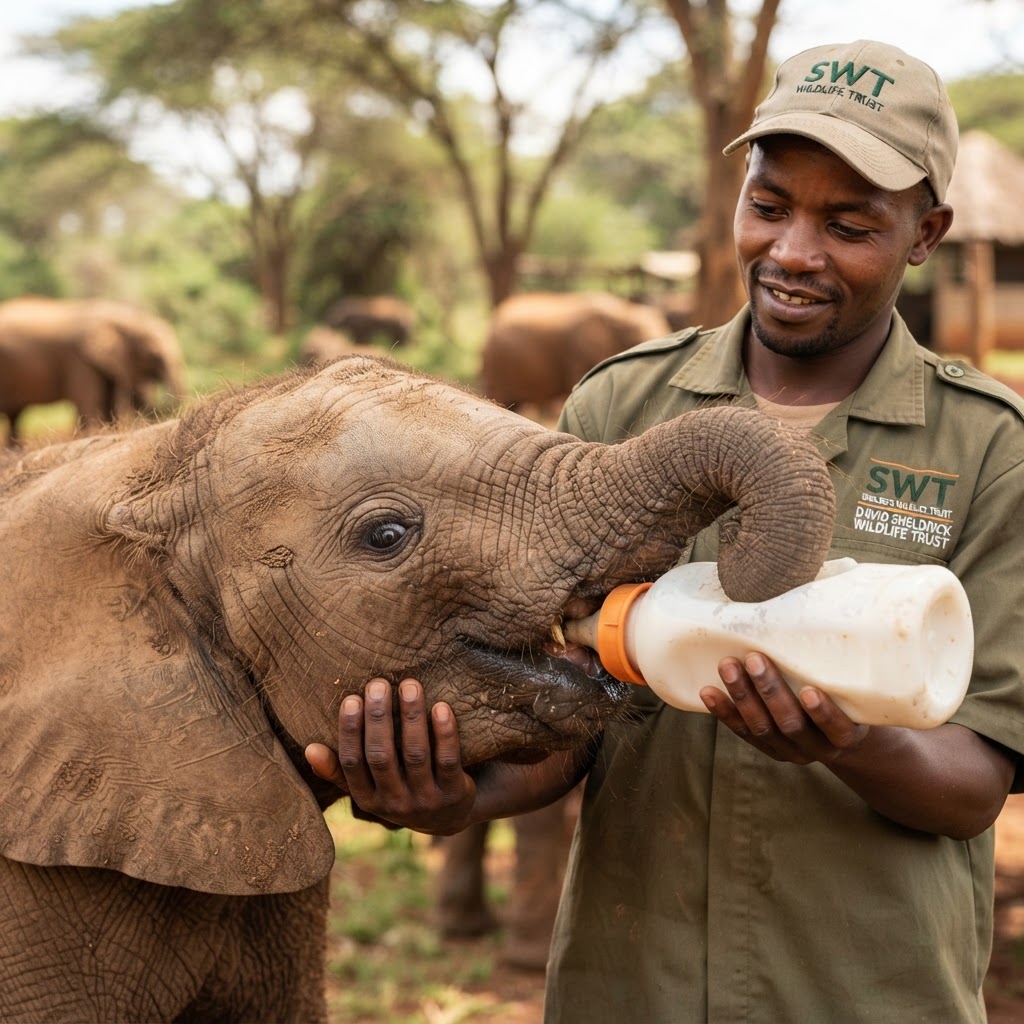
2. The Sheldrick Wildlife Trust: Elephant Orphanage Experience
Located a stone's throw from the Lang'ata Gate of Nairobi National Park, this world-renowned orphanage is dedicated to rescuing and rehabilitating orphaned elephants and rhinos. It's a heartwarming and essential conservation effort.
Visits are strictly timed, typically from 11:00 AM to 12:00 PM daily. Booking your visit in advance is absolutely mandatory to secure a spot and witness the incredible feeding sessions and the playful antics of the young animals. This is an unforgettable experience for all ages.
3. The Giraffe Centre: Up-Close Encounters
An absolute must for animal lovers and families, the Giraffe Centre offers a unique elevated platform where you can come face-to-face with endangered Rothschild giraffes. You'll have the incredible opportunity to hand-feed these graceful giants.
It’s an educational and incredibly rewarding experience that directly supports a vital conservation program aimed at protecting this magnificent species. After your giraffe encounters, don't forget to take a leisurely walk along the nearby nature trail to spot various indigenous bird species and enjoy the serene surroundings.
Other Must-Visit Nairobi Attractions:
Karen Blixen Museum: Explore the former home of the renowned author of "Out of Africa," offering a glimpse into colonial life.
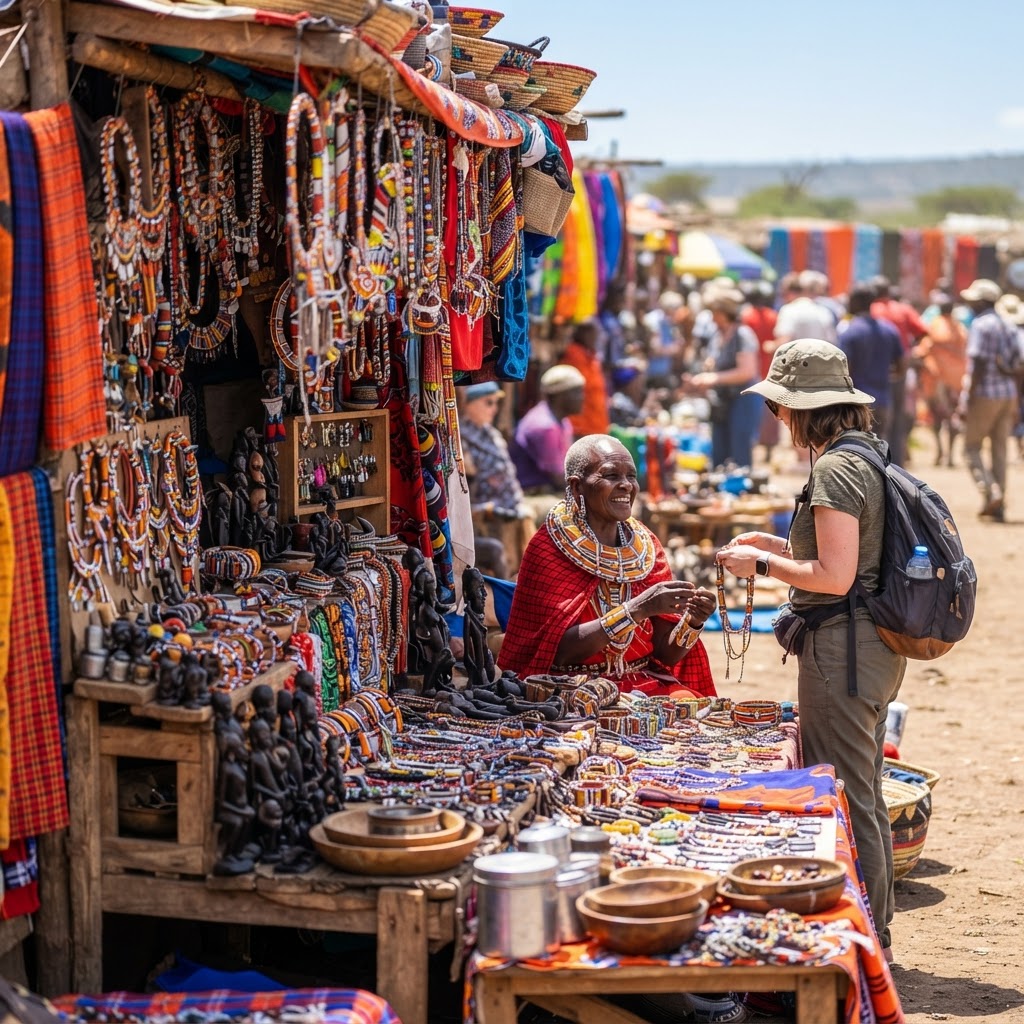
Maasai Market: Immerse yourself in a vibrant hub of authentic Kenyan craftsmanship. Here, you can bargain for beautiful, handcrafted African artifacts, including colorful textiles, beadwork, wooden carvings, and jewelry. It’s the perfect place to find unique souvenirs.
Nairobi offers a wide spectrum of accommodation options, and choosing the right neighborhood can significantly shape your travel experience. Each area boasts its own unique character and appeal.
Westlands: This is Nairobi's vibrant entertainment and commercial hub, buzzing with upscale shopping malls, diverse restaurants, lively bars, and modern hotels. It’s perfect for travelers who want to be in the heart of the action.
Karen: Known for its serene atmosphere, leafy streets, and upscale ambiance, Karen offers a tranquil escape from the city bustle. It's ideal for those seeking luxury boutique hotels, charming guesthouses, and proximity to wildlife attractions.
Kilimani: A centrally located and rapidly developing area, Kilimani attracts a young, professional crowd. It features a growing number of contemporary apartments, hotels, popular restaurants, and cafes, offering a dynamic urban vibe.
A historic landmark hotel steeped in colonial charm and renowned for its impeccable service.
Offers beautifully appointed rooms, lush gardens, and a classic dining experience.
Boutique/Eco:Hemmingways Nairobi
A luxurious boutique hotel nestled in the leafy suburbs of Karen.
Boasts stunning views of the Ngong Hills and exceptional personalized service.
Budget/Social:Wildebeest Eco Camp
A popular, eco-friendly camp with a strong social conscience.
Perfect for backpackers and budget-conscious travelers looking to meet fellow adventurers in a relaxed setting.
Local Food & Culture: A Taste of Nairobi
Kenyan cuisine is known for being hearty, flavorful, and often enjoyed communally. Nairobi offers a fantastic culinary journey, from traditional staples to international delights.
Must-Try Kenyan Dishes:
Nyama Choma: This is the quintessential Kenyan barbecue experience. Typically featuring succulent roasted goat or beef, it's a celebratory dish best enjoyed with friends and family.
Ugali: A staple food made from maize meal, ugali is a dense, dough-like accompaniment that is perfect for scooping up stews and meats.
Sukuma Wiki: "Kale greens" in Swahili, this is a delicious and nutritious dish of sautéed collard greens, often seasoned with onions and tomatoes.
For a taste of Nairobi's international flair, head to the Westlands area. Here, you can find a diverse array of culinary options, ranging from high-end Italian bistros and vibrant Indian restaurants to authentic Ethiopian eateries and trendy cafes.
Cultural Insights & Etiquette
Nairobians are generally known for their warmth, hospitality, and deep pride in their rich heritage. Engaging respectfully with local customs will undoubtedly enrich your travel experience.
Key Cultural Etiquette:
Greetings: A friendly greeting, often accompanied by a firm handshake, is a customary and appreciated gesture when meeting locals.
Dress Code: While Nairobi is a cosmopolitan city, dress codes vary. Business attire is standard in the Central Business District (CBD) during work hours. In more traditional residential areas or when visiting local communities, modest and casual clothing is generally preferred.
Tipping: Tipping is not strictly mandatory by law but is highly encouraged for good service. A 10% tip is a standard and generous gesture in restaurants, hotels, and for tour guides and drivers. Many establishments include a service charge, so check your bill.
Safety Guidance for Travelers
Nairobi is a dynamic and vibrant city, and like any major global metropolis, it requires awareness and sensible precautions. By staying informed and vigilant, visitors can have a safe and enjoyable experience.
Essential Safety Tips:
Night Travel: Avoid walking alone at night, especially in the CBD or less familiar areas. Opt for reputable taxis or ride-sharing services.
Transportation: Utilize trusted ride-sharing apps like Uber or Bolt for convenient and relatively safe transportation around the city.
Valuables: Keep your mobile phone and other valuables discreetly stored away, particularly in crowded markets and public transport.
Emergency Contacts: In case of an emergency, the primary police number is 999. It is also wise to have the contact details for your country's embassy readily available.
Travel Advisories: Always check the latest government travel advisories for Kenya before your departure. These advisories provide up-to-date information on regional stability and safety concerns.
Sustainable Travel Tips for Nairobi
Traveling responsibly in Nairobi means making conscious choices that benefit the local community and environment. Embracing sustainable practices ensures your visit has a positive impact.
How to Travel Sustainably:
Support Local Businesses: Prioritize accommodation and tour operators that demonstrably give back to the community through employment or social programs.
Choose Eco-Friendly Lodges: Opt for accommodations that utilize renewable energy sources like solar power and practice water conservation.
Conscious Shopping: When visiting the Maasai Market, engage directly with the artisans. Ensure your purchases support local families rather than intermediaries or mass-market retailers.
Waste Management: Always pack out your trash, especially when visiting natural areas like Nairobi National Park. Leave no trace behind.
Wildlife Respect: Strictly adhere to wildlife viewing guidelines. Respect animal boundaries during safaris and never feed wild animals outside of designated, regulated centers like the Sheldrick Trust.
Practical Travel Tips for Nairobi
Navigating Nairobi is often a rewarding experience that blends careful planning with a willingness for spontaneity. Being prepared can smooth out any potential travel wrinkles.
Essential Nairobi Preparations:
Visas: Most international visitors can obtain an e-visa online prior to arrival. It's crucial to Check Visa Requirements well in advance of your travel dates.
Connectivity: Upon arrival, purchase a local SIM card from providers like Safaricom or Airtel for reliable and affordable data access, essential for navigation and communication.
Power: Carry a portable power bank. Long days exploring the city, often extended by traffic, mean you'll want to keep your devices charged.
Transportation: If you plan to explore beyond the city or prefer independent travel, Browse Car Rentals to maintain your schedule and flexibility.
Currency: The Kenyan Shilling (KES) is the local currency. While credit cards are widely accepted in hotels and larger establishments, it's useful to have some cash for smaller vendors, markets, and local transport.
Final Thoughts: Embrace the Nairobi Experience
Nairobi County is a truly dynamic and evolving landscape that beautifully captures the vibrant soul of the African spirit. From its unique wildlife corridors offering thrilling safaris within city limits to its bustling artistic streets and diverse culinary scene, every corner of Kenya's capital promises a new discovery.
Your journey here is bound to be transformative, provided you engage with the local rhythm, embrace the unexpected, and respect the incredible environment that sustains this magnificent 'Green City in the Sun.'
Nairobi is the vibrant capital of Kenya, offering a unique mix of urban life and wildlife conservation, acting as the primary gateway to East African adventures.