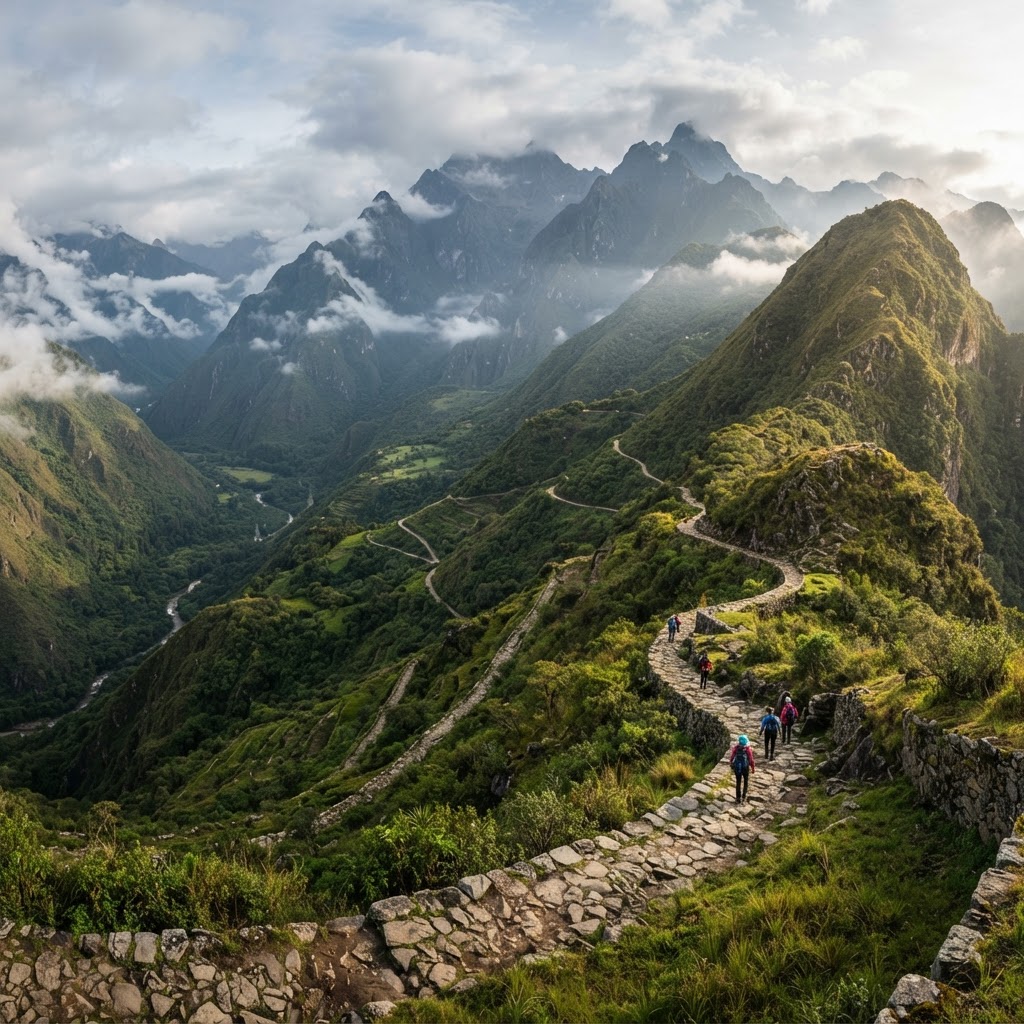
Imagine the thin, crisp air of the high Andes filling your lungs as you crest the final pass. Below you, the lush cloud forests of Peru unfurl like a vibrant green carpet, hiding the secrets of the ancient Inca civilization.
Trekking the Inca Trail is not merely a hike; it is a profound journey through time. It tests your endurance and rewards your soul with vistas that few on earth will ever witness firsthand. From stone-paved paths laid by emperors to the sun-drenched, granite peaks of Machu Picchu, this is the ultimate challenge for the intrepid traveler.
⚡ Quick Highlights
At a Glance
Duration: 4 days is the standard trek for most adventurers.
Permits: Must be booked 6-9 months in advance due to high demand.
Altitude: Reaches a maximum of 4,215 meters at Dead Woman's Pass.
Best Time: Dry season (May to September) offers the clearest skies.
Difficulty: Strenuous, but entirely achievable for fit, motivated hikers.
Why the Inca Trail Should Be on Your Radar
As someone who has navigated these winding mountain paths, I can tell you that the true magic lies in the dramatic transition of environments. You move from arid high-altitude plains to the humid, orchid-filled cloud forest.
This route is unique because it remained hidden from the Spanish conquistadors for centuries. This oversight preserved the incredible archaeological integrity of sites like Wiñay Wayna and Phuyupatamarca. It is a genuine communion with history and nature that simply cannot be replicated by taking the train.
Historical Significance
The trail features original Inca stonework that has withstood centuries of erosion.
Unlike other treks, this path leads you directly through ceremonial gates.
You walk the exact route traversed by the Inca elite and their messengers.
Best Time to Visit: Seasonal Insights
Choosing the right time to trek is critical for your safety, comfort, and the quality of your views. The official "dry" season runs from May to September, offering clear blue skies and crisp, star-filled nights that define the Andean experience.
May and June: These shoulder months offer the best balance of crisp, clear mountain views and slightly smaller crowds.
July and August: This is the peak season; expect high demand for permits and very cold nights that require high-quality sleeping bags.
November to March: This period marks the rainy season; note that the trail is frequently closed in February for essential maintenance and safety restoration.
Top Things to Do on the Trail
Following this path involves much more than just walking; it involves engaging with the history of the Andes. Each stop offers a new perspective on how the Inca mastered their mountain terrain.
Explore the Incan Ruins: Spend time examining the master craftsmanship found at Sayacmarca and Wiñay Wayna.
Trek Through Cloud Forests: Observe unique species of hummingbirds and wild orchids that thrive in these high-humidity zones.
Experience the Sun Gate: Witness the sunrise over the lost city of Machu Picchu from the ancient vantage point of Intipunku.
Bathe in History: Explore the ceremonial water fountains found at various historical checkpoints along the route.
Celebrate at the Finish: Enjoy a traditional, hearty celebratory meal with your team after clearing the final steep stone steps.
Planning your trip?
Compare accommodation, flights, insurance, and experiences before booking.
Sites like Phuyupatamarca, or "The Town in the Clouds," offer a look at advanced urban planning.
Stone structures were built without mortar, yet they remain perfectly aligned today.
Architectural marvels are found at almost every turn, showing the skill of the original stone masons.
Where to Stay and Planning Your Trip
While the trek primarily involves camping, your choice of tour operator will significantly change your comfort level. High-end companies provide "glamping" experiences with comfortable cots, while budget treks offer standard gear.
Before you head into the mountains, you need to ensure you are well-rested. Find Your Stay in Cusco to ensure you are acclimatized and prepared for the strenuous days ahead. Research your operator carefully to ensure they treat their staff and the environment with the respect they deserve.
Local Food and Cultural Etiquette
Peruvian cuisine is globally celebrated for its diversity. On the trail, you will be fueled by hearty, carb-heavy meals specifically prepared by camp chefs to keep your energy levels high.
Signature Dishes: Expect to enjoy Lomo Saltado, warming quinoa soup, and fresh river trout if available.
Staff Etiquette: Always thank your porters; they are the true backbone of the operation and work incredibly hard to support your journey.
Local Customs: Offering a small "pachamama" (Mother Earth) blessing with coca leaves is a deeply respectful and appreciated local gesture.
Language and Connection
Quechua remains a living, vibrant language throughout the Andes region.
Learning simple phrases like "Allianchu" (Hello) will build immediate rapport with your guides.
Tipping is highly customary; prepare to provide a generous gratuity to your support staff at the final celebratory dinner.
Safety Guidance and Health Tips
Altitude sickness is the primary health risk for any visitor to the region. Spend at least 2-3 days in Cusco (3,400m) to acclimatize before attempting the hike. Always carry a personal, lightweight first-aid kit containing essentials for blisters and stomach issues.
Emergency medical evacuation is limited on the trail. You must ensure your travel insurance covers high-altitude hiking up to at least 4,500m. Check Visa Requirements well in advance of your flight to ensure your documentation is in order.
Sustainable Travel Tips
Preserving the Inca Trail is a shared responsibility of every traveler. We must strictly adhere to the "Leave No Trace" principle—if you pack it in, you must pack it out. Support only those tour operators that pay porters fair, ethical wages and provide them with proper hiking gear and safety equipment.
Practical Gear and Logistics
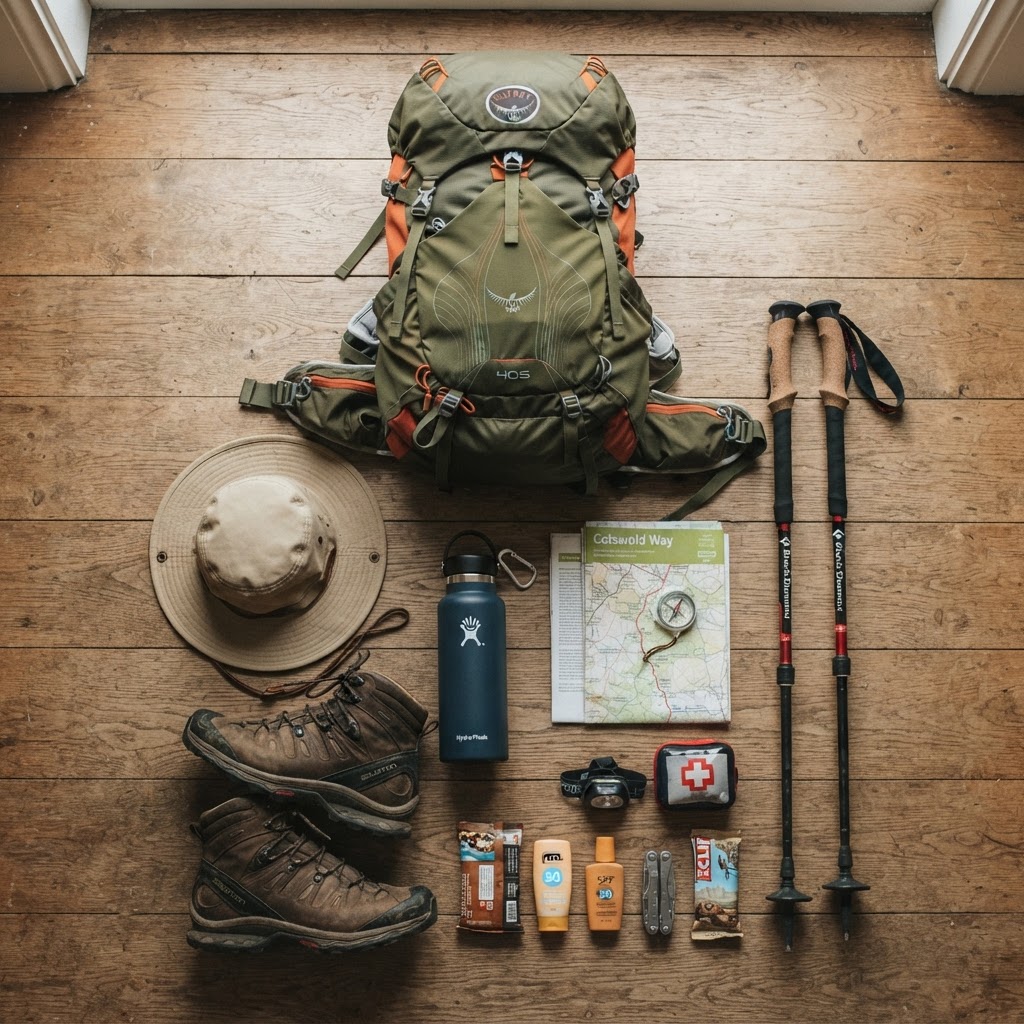
Logistics are complex. You must obtain a permit through a licensed agency, as independent hiking is strictly prohibited to preserve the sites. Pack high-quality moisture-wicking layers, a sturdy, worn-in pair of boots, and a reliable water filtration system.
If you plan to explore more of Peru after your trek, you might consider transportation flexibility. Browse Car Rentals for your post-trek adventures through the Sacred Valley.
Final Thoughts
The trail is undeniably demanding, but the reward of standing amidst the ancient stones of a lost empire is truly life-changing. Whether you are seeking a physical challenge or a deep cultural awakening, the Inca Trail delivers on every front.
Ready to start your adventure? Explore Things to Do in Peru and begin your planning today to secure your spot on this once-in-a-lifetime journey.
Frequently Asked Questions
Find the Perfect Stay
Explore hotels, resorts, apartments, and unique stays curated for your destination.