3Explore historical colonial-era architecture and deep-rooted nomadic traditions.
4Engage directly with vibrant local markets and community-led tourism initiatives.
In a nutshell
Discover the raw, untamed beauty of Wajir County, Kenya. A perfect guide for intrepid travelers seeking authentic Somali culture and deep desert adventures.
Explore historical colonial-era architecture and deep-rooted nomadic traditions.
Engage directly with vibrant local markets and community-led tourism initiatives.
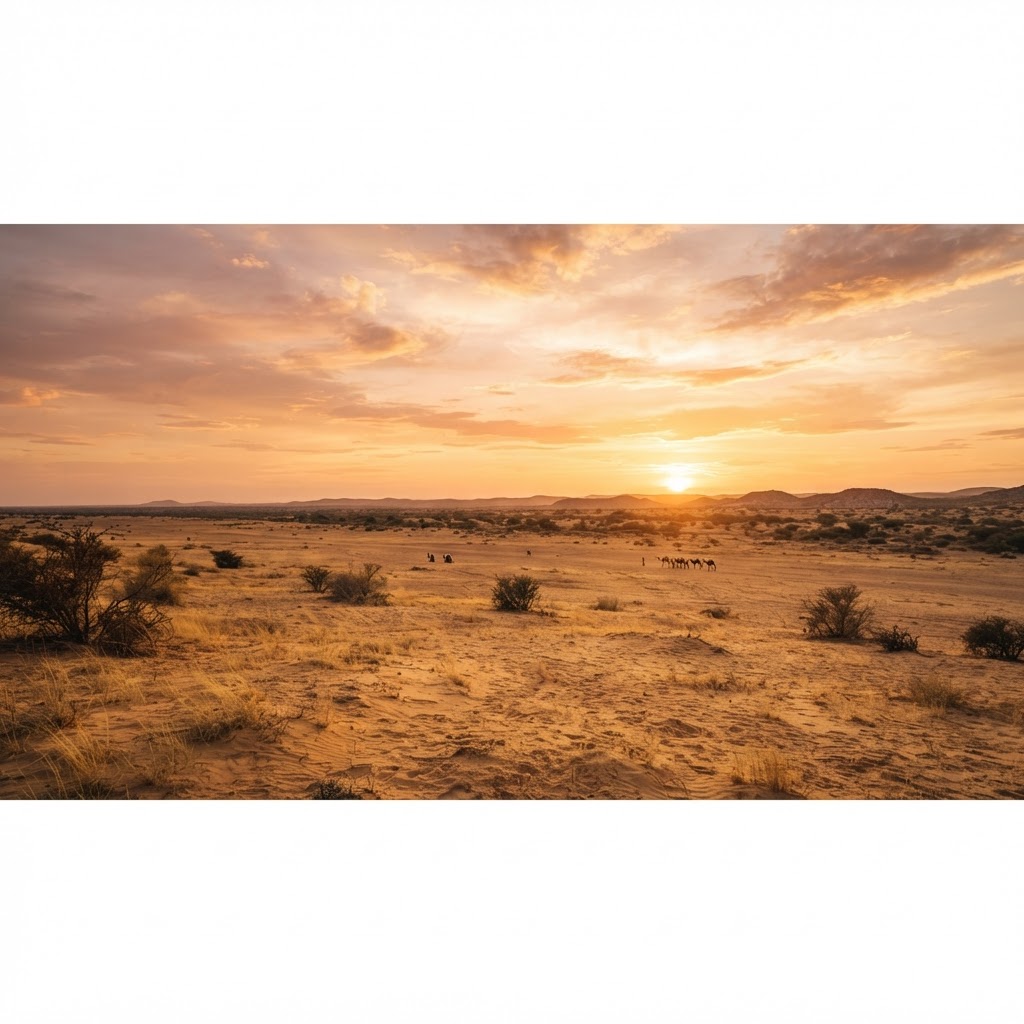
Have you ever dreamed of venturing into a land where the horizon stretches infinitely and ancient traditions thrive amidst rugged desert landscapes? Welcome to Wajir County, a mesmerizing, undiscovered frontier in northeastern Kenya.
While the mainstream safari circuits of the Maasai Mara draw thousands, Wajir offers a raw, authentic escape for the truly intrepid traveler who values silence, space, and genuine human connection. Stepping into this region is like entering a living history book, where every shifting sand dune holds the whispers of centuries-old nomadic journeys.
Why Wajir County Should Be on Your Radar
Located in the arid belt of the country, Wajir is a land of fascinating contrasts. It is defined by vast scrublands, seasonal riverbeds, and a rich, vibrant tapestry of Somali heritage that has remained largely untouched by mass tourism.
Choosing to visit here means choosing to embrace the unknown. You are stepping far beyond the comfort zones of urban Kenya to engage with the heartbeat of the Horn of Africa.
Authentic Cultural Immersion: Experience the genuine traditions of the Somali community without the filter of mass tourism.
Unspoiled Landscapes: Find solace in vast, quiet desert vistas that offer total disconnection from the digital world.
Historical Significance: Explore sites that chronicle the transition from colonial outpost to modern regional hub.
Ethical Travel: Support local economies through direct engagement with artisans, guides, and family-run guest houses.
Best Time to Visit: Seasonal Insights
Navigating the arid climate of Wajir requires a strategic approach to weather. As an area defined by its desert geography, the heat can be intense, reaching temperatures that may be uncomfortable for the uninitiated.
Cooler Months (June to August): This is the ideal window for travel. The temperatures are manageable, making it safer for extended outdoor exploration and desert excursions.
Post-Rainy Season (November/December): After the short rains, the landscape takes on a subtle green hue. This offers a rare opportunity to witness the desert bloom, though visitors must be prepared for potential road travel delays.
The Daily Rhythm: Regardless of the season, follow the local practice of siestas or indoor activities between 1:00 PM and 4:00 PM when the sun is at its zenith.
Top Things to Do in Wajir
Wajir is a destination for the contemplative traveler. It is not about checking off a list of theme parks, but about engaging with the geography and the people who have called it home for centuries.
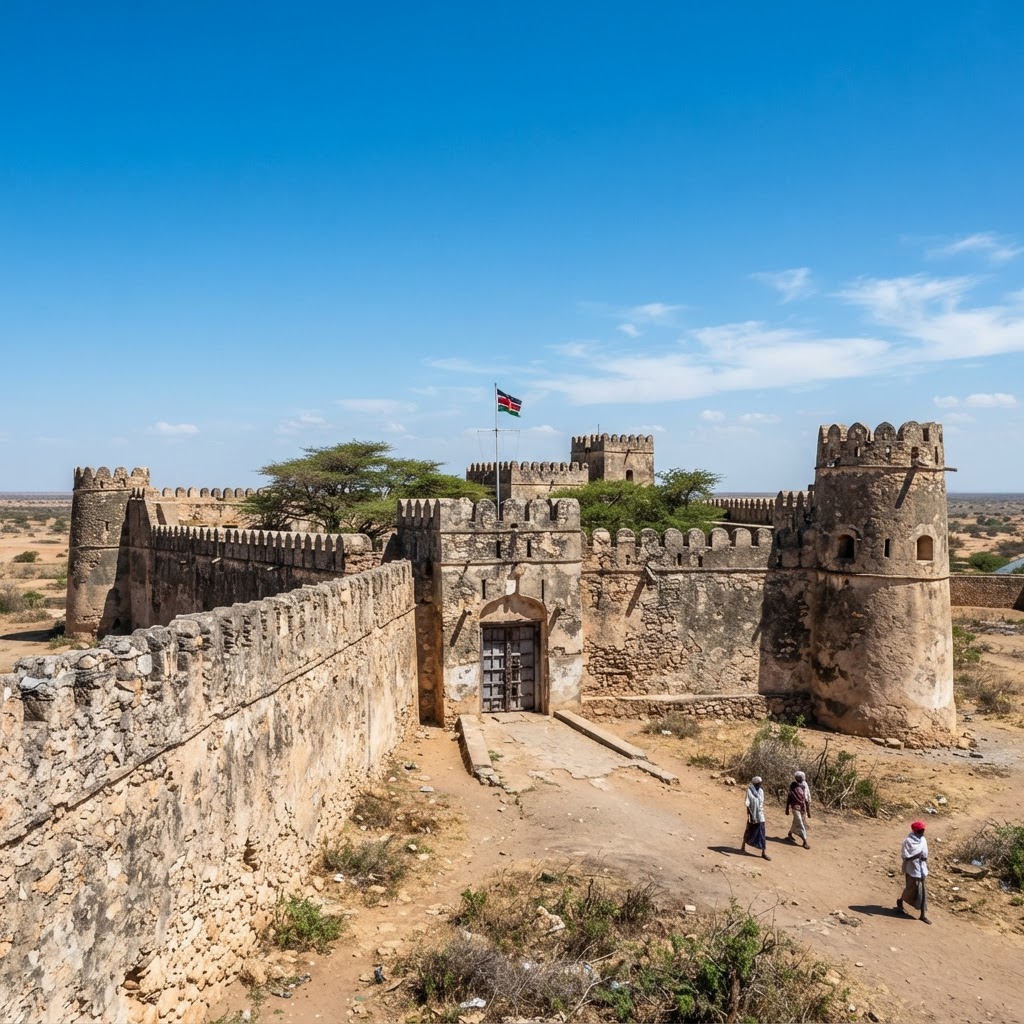
1. The Historical Wajir Fort
Built by the British in the early 20th century, this fort is a physical manifestation of the region's strategic importance during the colonial era. It now stands as an architectural anchor for the town.
Walk the perimeter to view the stark stone masonry.
Reflect on the site’s role in historical border security.
Planning your trip?
Compare accommodation, flights, insurance, and experiences before booking.
Located near the fort, the museum is essential for understanding the transition of the community from nomadic pastoralism to modern life. You will find displays of traditional weaponry, jewelry, and documents outlining the administrative history of the Northeast.
3. Orabile Springs and Wells
Observe the ancient practice of communal watering. Local pastoralists congregate here with their camels and goats—a vital cultural scene that showcases the resilience of life in an arid environment.
Respectful Observation: Always watch from a distance to avoid disrupting daily life.
Camel Trekking: Arrange for a guided walk with locals who have mapped these plains for generations.
Local Markets: Spend an afternoon in the markets of Wajir Town to shop for intricate textiles and unique artifacts.
Where to Stay in Wajir
Accommodations in Wajir are humble but provide the necessary comforts for a desert journey. We recommend focusing on centrally located options that offer generator-backed electricity and air conditioning, which are crucial for a good night’s rest.
Wajir Palace Hotel: Known for reliable service and clean, air-conditioned rooms.
Guest Houses: Several family-run guest houses offer a more intimate look at local hospitality and are often more budget-friendly.
Find Your Stay to start planning your unique desert adventure today. Always confirm your booking in advance, as infrastructure in the region is still developing.
Local Food & Culture
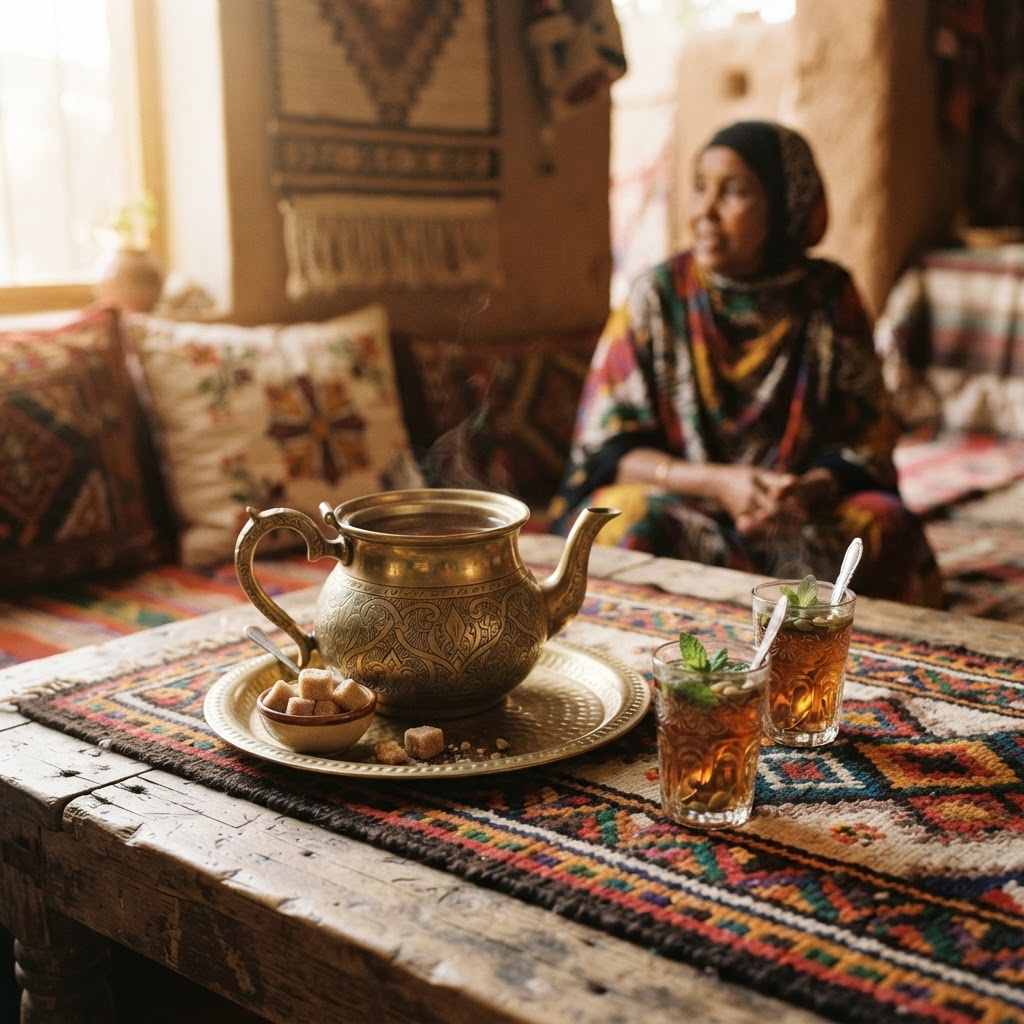
Dining in Wajir is a communal ritual. Food is meant to be shared, and hospitality is a cornerstone of the local Somali culture. Tea is not just a drink; it is a sign of welcome, usually brewed with heavy amounts of cardamom, ginger, and cloves.
Must-Try Dishes: Ask for Anjera (a sourdough flatbread) served with spicy stews or tender roasted goat meat, locally referred to as hilib ari.
Dining Etiquette: Always use your right hand when eating from a shared platter. If you are invited to a local home, it is polite to accept at least a small cup of tea.
Cultural Insights & Etiquette
Wajir is a deeply traditional, Muslim-majority society. Respecting local norms is the key to having a positive experience. By dressing and acting according to local custom, you build instant rapport with your hosts.
Dress Code: Both men and women should dress modestly. For women, this means covering the shoulders, chest, and knees. Loose-fitting clothing is also better for the desert heat.
Respecting Privacy: Always ask for permission before taking photographs of individuals, especially women and elders. This builds trust and shows you respect their personal dignity.
Safety and Sustainability
Travel to the northeastern frontier of Kenya requires a high level of situational awareness. As of 2026, visitors are encouraged to stick to well-traveled routes within the main town area.
Travel Advisories: Regularly check official government travel advisories regarding the border regions. Travel in groups whenever possible and hire a local fixer/guide.
Health Precautions: Hydration is your primary defense against the heat. Carry your own purified water and a comprehensive first aid kit.
Support Local: Purchase your souvenirs and goods directly from local craftsmen.
Leave No Trace: Ensure you pack out any trash, particularly plastics, which can be difficult to manage in rural desert environments.
Practical Travel Information
The logistics of reaching Wajir require planning. Ensure your documentation is in order and your transport is secured before departure.
Transport: The most efficient way to reach Wajir is via a commercial flight from Nairobi's Wilson Airport. Once on the ground, negotiate with local car hire services for a 4x4 vehicle.
Connectivity: While Wajir Town has decent 4G coverage from major providers like Safaricom, expect signals to drop off as you head into the rural wilderness.
Currency: Carry sufficient cash (Kenyan Shillings) as ATM access can be inconsistent outside the main town.
Wajir County remains a frontier for the curious and the patient. It offers an experience that is authentic, challenging, and profoundly rewarding. By approaching this region with respect, preparation, and an open heart, you are guaranteed a journey unlike any other in East Africa.
Wajir County is a remote and culturally rich desert region in Northeastern Kenya, offering unique opportunities for exploring Somali heritage and historical landmarks away from standard tourist tracks.